As a wine enthusiast who has lived in Spain for seven years, I’d like to share some personal insights about Spanish red wines. Compared to the noble elegance of French wines, Spanish reds are more like passionate flamenco - both profound and approachable.
Regional Characteristics Comparison
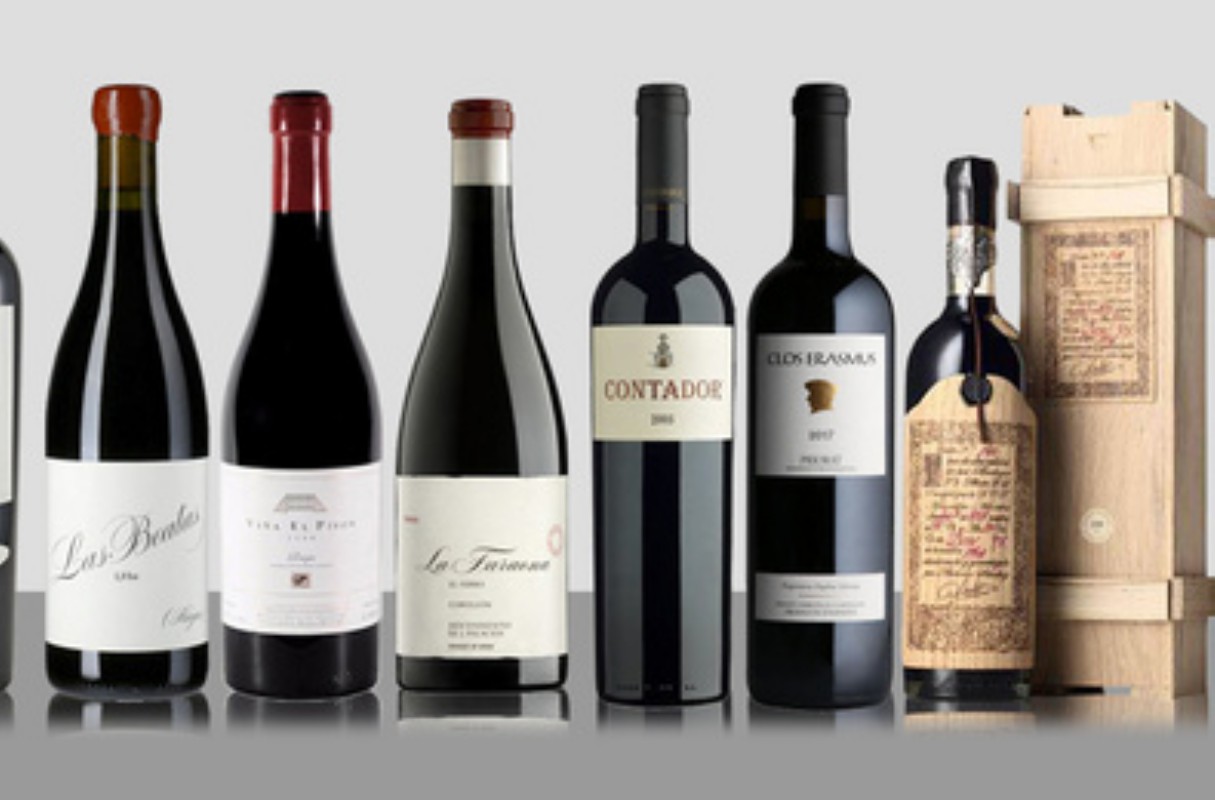
Spain’s red wine regions each have their unique terroir and character. Rioja is undoubtedly the most renowned region, primarily featuring Tempranillo varieties. The Spanish wine label symbols from this region are typically aged in oak barrels, offering smooth textures with complex layers of vanilla and spice notes. Ribera del Duero is known for its more intense style, with full-bodied wines and rich tannins.
Price Range Selection Recommendations
| Price Range | Recommended Region | Characteristics |
|---|
| €10-20 | La Mancha | Daily wines, fruity and aromatic |
| €20-40 | Rioja | Well-balanced, suitable for beginners |
| €40+ | Ribera del Duero | High complexity, collectible value |
From my experience, the €20-30 price range offers the best value. At this price point, you can find excellent reserva wines, typically aged 3-5 years with well-developed flavors.
Particularly noteworthy is Catalonia’s Priorat region, which despite limited production, offers exceptional quality. The [wine label design] wines from this area have intense mineral character with unique slate soil flavors, commanding higher prices but absolutely worth trying.
Purchase and Storage Tips
When buying red wine in Spain, I recommend prioritizing products with DO or DOCa certifications. Supermarkets like El Corte Inglés and Carrefour offer good selections, while specialized wine shops provide broader variety at slightly higher prices. For storage, avoid direct sunlight and temperature fluctuations, with ideal storage temperatures between 12-16°C.
Spanish red wines are emerging on the international market, with their unique flavors and relatively affordable prices making them excellent choices for daily dining. Whether pairing with Iberian ham or traditional paella, you’ll find suitable matches. The notion that Spanish wines are inferior to French wines is outdated - now is the perfect time to explore the wine culture of the Iberian Peninsula.
