Spanish Wine Authentication Methods
Having lived in Spain for several years, I’ve discovered that the wine market here is quite mixed, with counterfeit products frequently appearing, especially for wines from renowned regions. As a wine enthusiast, I’ve compiled some practical identification methods, hoping to help everyone avoid counterfeit wine pitfalls, including guidance from wine authentication institutions.
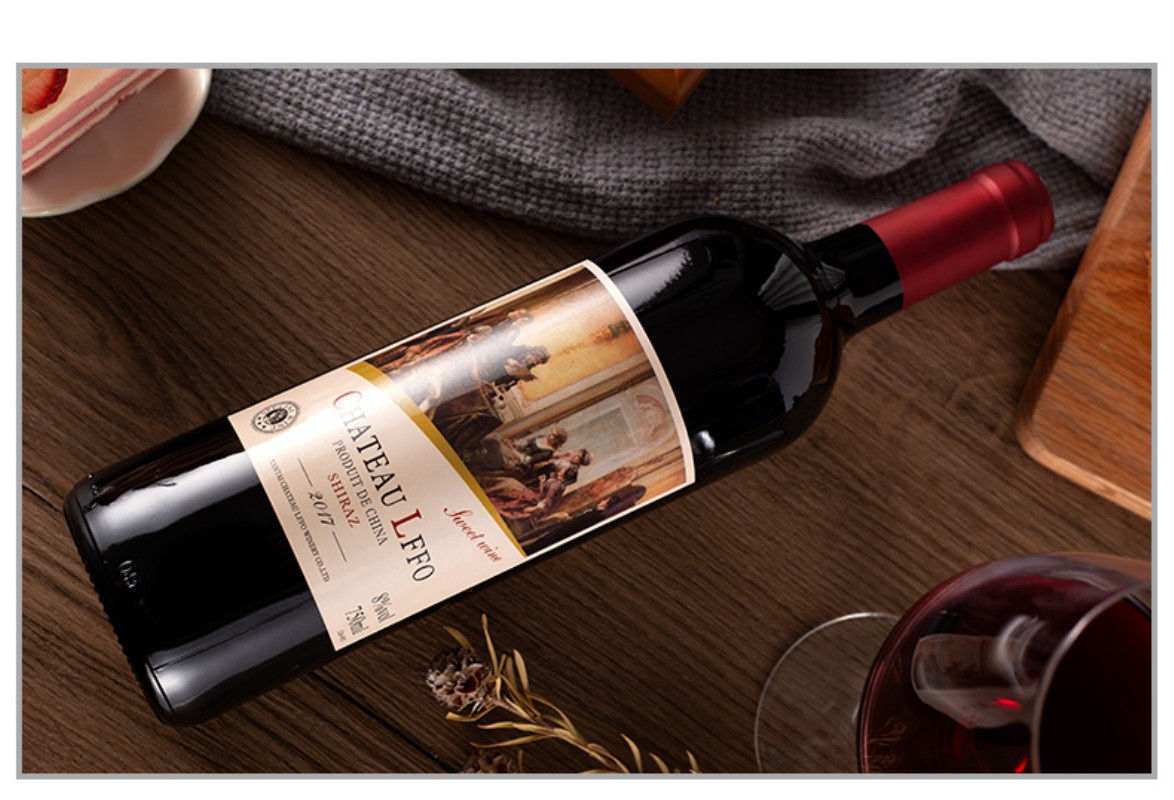
Key Points for Label Identification
First, carefully examine the label. Authentic Spanish wine labels typically have high-quality printing, clear fonts, and saturated colors. Pay special attention to the DO designation, which is Spain’s official protected designation of origin mark. Counterfeit wine labels often have blurry printing, faded colors, and the DO designation may be missing or incorrectly positioned. Additionally, wine authentication software can be helpful for verification.
Authentic labels display alcohol content, volume, and other information in a standardized format, usually with both Spanish and English text. If only English or other languages appear, be extra cautious.
Bottle Detail Inspection
The bottle’s craftsmanship is also crucial for identification. Authentic Spanish wine bottles are typically heavy and thick, with a pronounced punt at the bottom. The lead foil or plastic capsule at the neck should be smooth without bubbles or wrinkles.
| Part | Authentic Features | Counterfeit Features |
|---|
| Bottom | Heavy with punt | Light and flat |
| Capsule | Smooth and even | Bubbles and wrinkles |
| Cork | Clear brand marking | Blurry or no marking |
The cork is also a key indicator. Authentic wine corks usually have the winery name and vintage clearly printed on them. Counterfeit wine corks either lack printing or have blurry, unclear markings.
Taste and Aroma Identification
Authentic Spanish wines possess unique terroir characteristics. For example, Rioja wines typically have distinct oak barrel aromas, while Ribera del Duero wines are more concentrated and full-bodied. If a wine labeled as Rioja tastes bland and flavorless, it’s likely counterfeit.
Authentic wines reveal complex, layered aromas after opening - from fruit notes to oak and mineral flavors with distinct evolution. Counterfeit wines often have monotonous aromas or even harsh alcohol odors.
Purchasing Channel Recommendations
Purchasing channels are equally important. I recommend choosing reputable wine merchants or large supermarkets, avoiding small vendors or unknown online stores. Be particularly wary of wines priced significantly below market value, as the principle of “you get what you pay for” certainly applies in the wine market.
I hope these experiences help everyone, and welcome other wine enthusiasts to share more identification insights!
