Recently at a wine specialty store in Madrid, I witnessed someone complaining about purchasing counterfeit wine, which reminded me of my own near-miss experience. As a wine enthusiast who has lived in Spain for many years, I’d like to share some practical information about Spanish wine authenticity verification.
Official Certification Bodies
Spain has several authoritative wine certification institutions worth trusting. Instituto de Calidad Agroalimentaria is the main agri-food quality regulatory body, responsible for supervising the quality of agricultural products including wine. Additionally, the Denominación de Origen certification system is an important standard for identifying authentic Spanish wines, with each region having corresponding regulatory committees responsible for quality control.
Common Authentication Methods
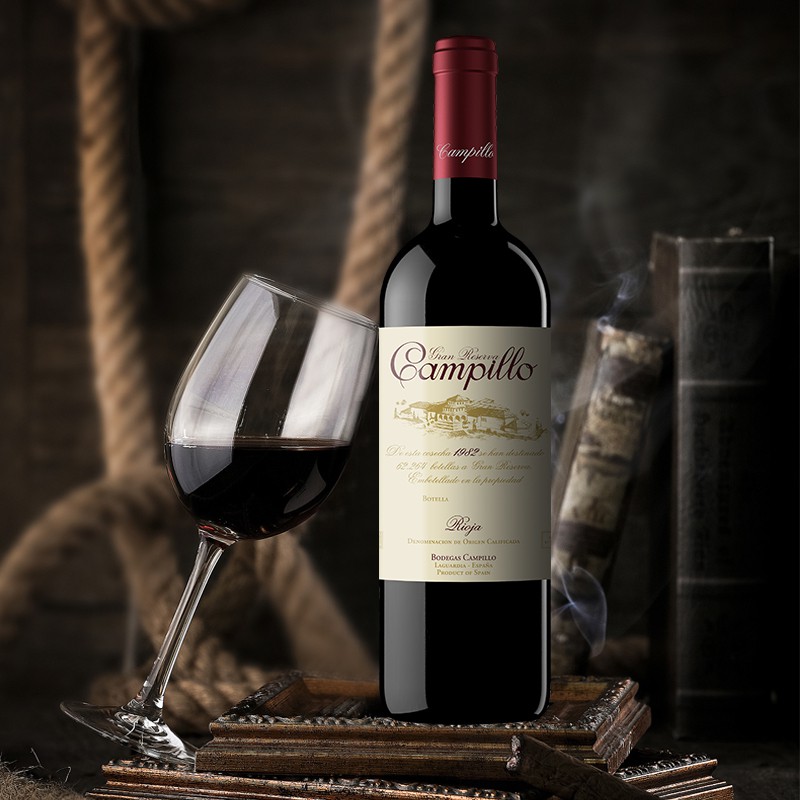
From appearance, genuine Spanish wine labels have clear printing and thick paper quality, without any blurring or misalignment. The glass quality of wine bottles is also good with appropriate weight. Pay special attention to the DO identification and producer information on the wine label, as this information can be verified on official websites.
Price and Channel Comparison
Here are approximate price ranges for common Spanish wines:
| Wine Type | Authentic Price Range | Common Counterfeit Price |
|---|
| Rioja Reserve | 15-30 euros | 5-10 euros |
| Ribera del Duero | 20-50 euros | 8-15 euros |
| Priorat | 25-80 euros | 10-20 euros |
If prices are significantly below market rates, extra caution is needed. I recommend purchasing from reputable wine merchants or large supermarkets, avoiding unknown online stores or street-side shops.
Professional Authentication Services
If you have doubts about the authenticity of purchased wine through wine authenticity verification, you can contact professional authentication institutions. Barcelona’s Centro de Análisis Enológicos provides wine component analysis services. Although the cost is high, it’s worthwhile for expensive collector-grade wines. Madrid also has similar laboratories that can accurately determine wine origin and vintage through chemical analysis using wine authentication software.
I hope this information is helpful to everyone. After all, nobody wants to spend money on counterfeit products, and having more authentication knowledge is always beneficial. If you have other related experiences, please feel free to share and exchange ideas in the comments!
