Recently, I stumbled upon several bottles labeled ‘Vino Prohibido’ at an old wine cellar in Madrid. The shop owner mysteriously told me these were Spain’s forbidden red wines with red labels. After researching extensively at home, I discovered fascinating stories behind these wines that I’d like to share.
The so-called ‘forbidden red’ wines refer to Spanish red wines that were restricted in production or sales during specific historical periods. This concept mainly stems from the Franco dictatorship era, when the government imposed strict controls on the wine industry. Certain regional wineries were prohibited from using traditional production methods or had their output limited. These restrictions paradoxically made these wines more precious and mysterious.
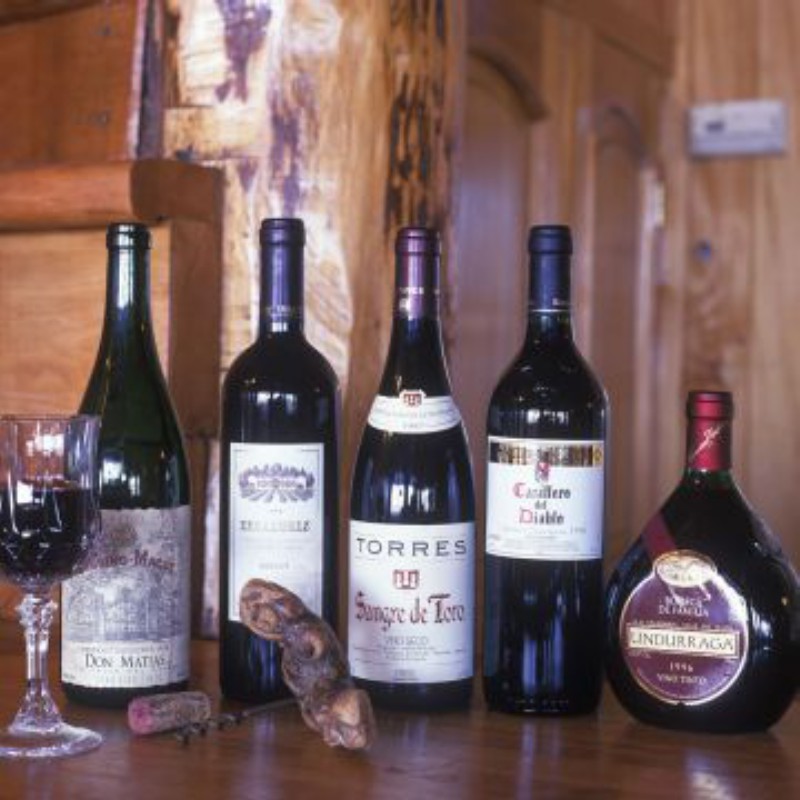
Main Regional Distribution
These forbidden red wines primarily originate from several specific regions. Based on my research, here’s the distribution:
| Region | Representative Winery | Prohibition Period | Main Varieties |
|---|
| Rioja | Marqués de Murrieta | 1940-1960 | Tempranillo |
| Ribera del Duero | Vega Sicilia | 1950-1975 | Tempranillo+Cabernet |
| Priorat | Alvaro Palacios | 1960-1980 | Garnacha |
It’s worth noting that these wineries continued secret small-scale production during the prohibition period, using ancestral traditional techniques passed down through families. It’s precisely this persistence, like the Spanish red wine red bull tradition, that allows us to taste these unique treasures today.
From a tasting perspective, these forbidden red wines typically possess more intense flavors and complex layers. Due to traditional craftsmanship and limited production, the wine body is often fuller, with tighter tannin structure. However, the prices are indeed steep - a bottle of 1960s Rioja forbidden red wine can now reach 200-500 euros in the market.
For ordinary wine enthusiasts wanting to experience such wines, I recommend starting with ‘tribute editions’ from modern wineries. Many wineries now release limited editions that mimic the forbidden techniques of yesteryear, with relatively affordable prices typically ranging from 30-80 euros. While these wines aren’t genuine historical remnants, they allow us to experience the winemaking spirit of that special era.
