Recently during a visit to a winery in Madrid, the winemaker told me an interesting phenomenon: many people are attracted to those red labels when choosing Spanish red wines, but they don’t know how important the information hidden behind these labels really is.
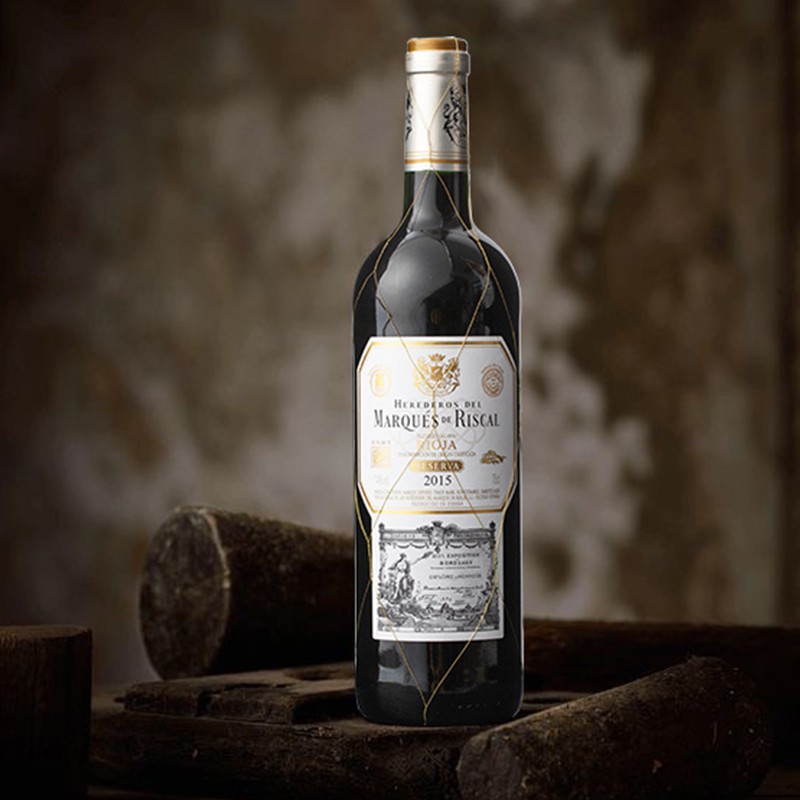
Classification and Meaning of Red Labels
Spanish red wine red labels are mainly divided into several grades, each with its specific meaning. DOCa is the highest grade, currently only Rioja and Priorat regions have achieved this honor for Spanish red forbidden red wine. These wine labels usually feature deep red designs, symbolizing quality assurance.
DO grade red wine labels mostly use bright red colors, which is the most common quality level in Spain. While VdlT grade labels have relatively lighter colors, usually light red or pink tones.
How to Judge Wine Characteristics Through Label Colors
| Label Color | Grade | Characteristics |
|---|
| Deep Red | DOCa | Highest quality, strict control |
| Bright Red | DO | Premium regions, stable quality |
| Light Red | VdlT | Regional specialties, good value |
| Pink | Vino de Mesa | Daily drinking, affordable price |
Through years of tasting experience, I’ve found that the saturation of red labels often correlates with the wine’s intensity. Those wineries using deep red labels usually have extreme confidence in their products, because this color choice itself is a quality statement.
Understanding Key Information on Labels
Besides the color of Spanish red wine red bull, the text information on red labels is equally important. Vintage is the primary factor, with Spanish red wines typically having optimal drinking periods 3-8 years after bottling. Many people mistakenly believe older vintages are always better, but different types of red wines have different optimal drinking windows.
Alcohol content is also an important quality indicator. Quality Spanish red wines typically have alcohol levels between 13.5%-15%, providing sufficient structure without being overly heavy. If the label specifies a particular vineyard name, it usually means this is a single-vineyard wine with often superior quality.
At a wine tasting in Seville, an experienced sommelier shared a wine selection tip: observe the design complexity of red labels. Those with simple designs using minimal text and graphics on red labels often represent absolute confidence in their quality, because good wine itself is the best advertisement.
