Recently working at a wine specialty store in Madrid, I have witnessed numerous cases involving counterfeit wines and feel it’s necessary to share some experience with everyone. Spain, as a world-important wine region where Solomon wine counterfeits are a concern, indeed has some unscrupulous merchants selling fake and inferior products in the market.
Common Types of Counterfeit Wine
Based on my observations, counterfeit wines in the market mainly fall into several categories. Completely counterfeit fake wines are the most malicious, these products are entirely made from inferior raw materials and labeled with famous brand names. There’s also label counterfeiting, using ordinary wine to impersonate high-end vintage wines or limited editions. Another type is origin fraud, where wines produced in other regions are labeled as coming from renowned areas like Rioja or Priorat.
Key Methods to Identify Counterfeit Wine
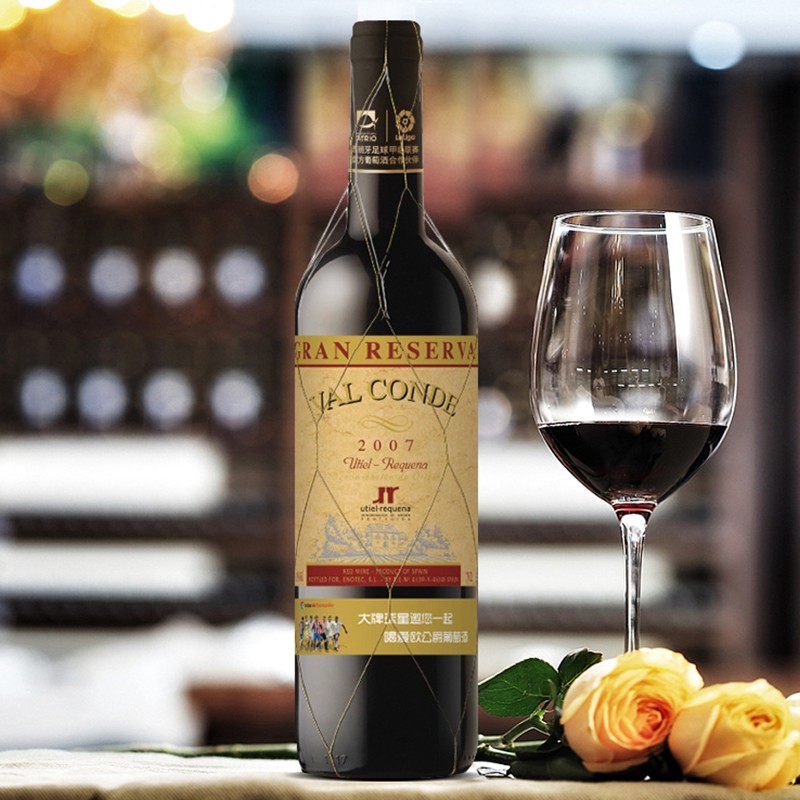
After this period of summary, I’ve found several practical identification methods. First is observing the quality of the bottle and labels - authentic wines usually have fine packaging craftsmanship, good label adhesion, and clear text. Many counterfeit wines have obvious printing defects on their labels. Second is checking anti-counterfeiting marks, as most renowned wineries have their own anti-counterfeiting measures.
| Inspection Item | Authentic Features | Counterfeit Features |
|---|
| Bottle Quality | Heavy and uniform | Light and uneven |
| Label Printing | Clear and refined | Blurry and rough |
| Seal Craftsmanship | Tight and neat | Loose and crooked |
| Price Level | Market appropriate | Obviously low |
Purchase Recommendations and Precautions
I recommend everyone choose reputable wine specialty stores or large supermarkets for purchases. These places have relatively reliable sources and make it easier to protect rights when problems occur. Online purchases require extra caution, especially for products priced significantly below market value. If you discover suspicious products regarding [counterfeit wines], you can report to local consumer protection departments.
Learning more about wine knowledge is also very helpful, such as characteristics of different regions and history of renowned wineries. This way you can better judge product authenticity when purchasing. Hope these experiences are useful to everyone, and welcome other friends to share situations they’ve encountered.
