Recently, while browsing several wine specialty stores in Madrid, I discovered a concerning phenomenon: numerous counterfeit Solomon red wine products have appeared in the market. As a wine enthusiast who has lived in Spain for many years, I feel it’s necessary to share some identification experience with everyone.
The Current State of Counterfeit Wine Proliferation
Solomon red wine, as a well-known brand, has always had high demand in Spain. However, it’s precisely this high demand that has given unscrupulous merchants an opportunity to exploit. A friend of mine in Barcelona told me the situation there is even more serious, with some small wine shops brazenly selling counterfeits. These fake wines are not only of poor quality, but more importantly, they may pose health risks from fake wine identification.
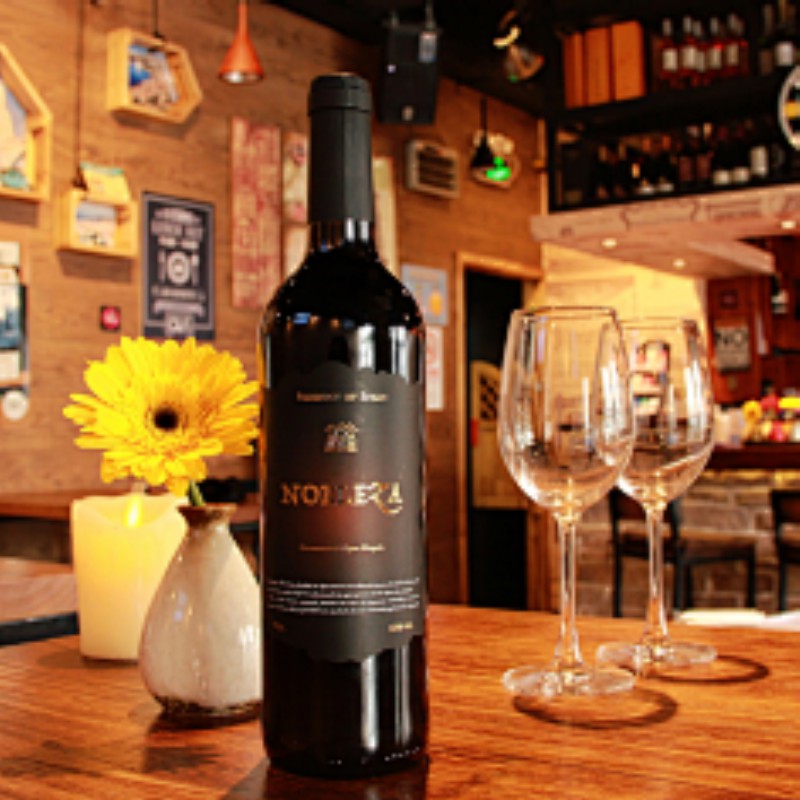
How to Identify Authentic vs. Counterfeit Solomon Red Wine
After multiple comparisons, I’ve summarized several key identification points. First is the printing quality of the wine label - authentic products have clear, sharp fonts with high color saturation. Counterfeits often have blurry printing with pale colors. Second, observe the weight and feel of the bottle - authentic wine bottles are heavier with a thick glass texture.
| Identification Element | Authentic Features | Counterfeit Features |
|---|
| Label Printing | Clear and Sharp | Blurry and Unclear |
| Bottle Weight | Heavy and Solid | Light and Fragile |
| Cork | Good Elasticity | Hard Texture |
| Wine Color | Deep Red and Bright | Dull and Lackluster |
Cork quality is also an important judgment criterion. Authentic products use corks with good elasticity and smooth surfaces, while counterfeit corks are often harder in texture and prone to cracking. Be sure to carefully check these details when purchasing.
Reliable Purchasing Channel Recommendations
To avoid buying counterfeits, I recommend choosing legitimate channels for purchases. Wine sections in major department stores like El Corte Inglés are the top choice - while prices may be slightly higher for [counterfeit wines], quality is guaranteed. Additionally, some historically established wine specialty stores are also trustworthy, such as those family-operated wine shops in Madrid’s old town.
For online shopping, choose officially authorized e-commerce platforms. I personally recommend Amazon Spain and some professional wine e-commerce websites. Before purchasing, always check seller credentials and user reviews, never choose suspicious third-party sellers just to save money.
Finally, I want to remind everyone that if you discover quality issues with purchased Solomon red wine, report it to relevant authorities promptly. Only through everyone’s joint efforts can we maintain a healthy consumer environment. I hope this experience will be helpful to friends preparing to purchase Solomon red wine.
