Recently, I’ve seen many friends discussing Spanish wine classification issues, with some claiming that Spanish wine has the lowest ranking. This statement really compels me to come forward and clarify! As someone who has lived in Spain for many years, I can responsibly say this is a complete misunderstanding!
Spain’s wine classification system is actually quite strict and comprehensive. From the most basic Vino de Mesa to the highest level DOCa, the entire system is well-structured. Many people might only know about France’s AOC or Italy’s DOCG, but Spain’s classification system is equally authoritative.
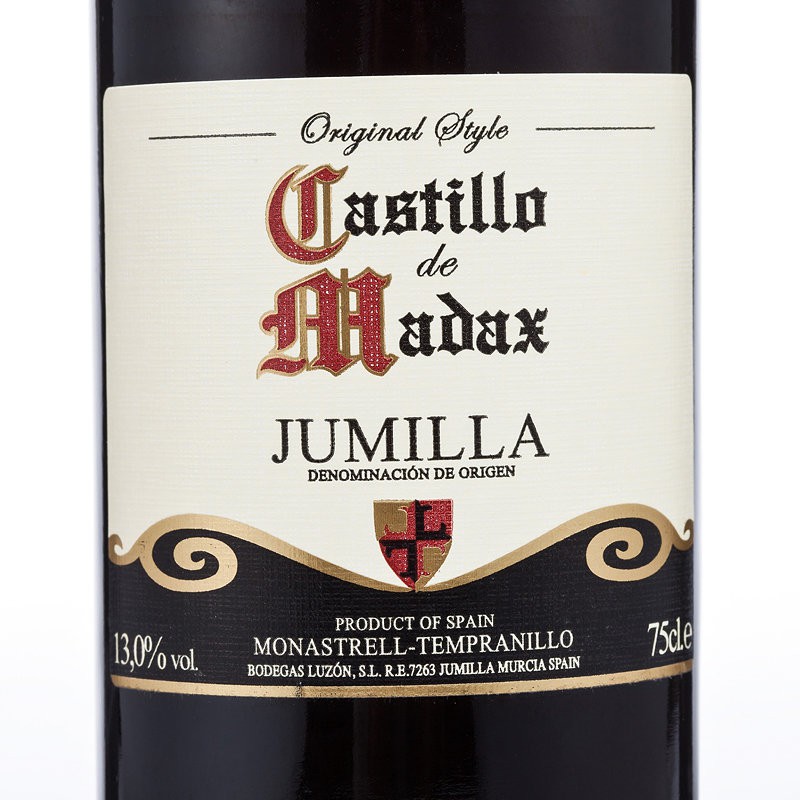
Spanish Wine Classification Explained
Let me detail Spain’s wine classification system. The bottom tier is indeed Vino de Mesa, but this doesn’t represent poor quality - it simply lacks strict regional restrictions. Moving up, we have IGP, DO, and the highest level DOCa.
| Level | Full Name | Characteristics |
|---|
| DOCa | Denominación de Origen Calificada | Highest level, quality guaranteed |
| DO | Denominación de Origen | Regulated appellation, strict control |
| IGP | Indicación Geográfica Protegida | Protected geographical indication |
| Vino de Mesa | Table wine | Basic level, affordable pricing |
Regarding the DOCa level, Spain currently has only two regions with this honor: Rioja and Priorat. The red wines from these regions are absolutely world-class quality, with correspondingly high prices. I once tasted a 2010 Rioja Gran Reserva, and its complex flavor layers were truly unforgettable.
Why the “Lowest Ranking” Misconception Exists
This misconception might stem from several aspects regarding Spanish wine classification. First, Spanish wines haven’t been as successfully promoted internationally as French Bordeaux or Italian Tuscany. Second, many people’s exposure to Spanish wines might indeed be lower-end products, as Spain does produce large quantities of affordable everyday table wines.
But this doesn’t mean Spain lacks top-tier wines! In fact, Spain has numerous excellent wineries and grape varieties, such as Tempranillo and Garnacha, which are world-renowned varieties.
Finally, I want to say that judging wine quality shouldn’t rely solely on origin or classification labels - personal preference and specific winemaking techniques are more important. During my years in Spain, I’ve enjoyed many excellent local wines that offer great value, some even more to my taste than products from famous French châteaux. I suggest everyone try more varieties and don’t let stereotypes limit your palate!
