As a wine enthusiast who has lived in Spain for many years, friends often ask me about Spanish wine classification systems. Today, let’s discuss Spain’s lowest wine grade and the entire classification framework.
Overview of Spanish Wine Classification System
Spain’s wine classification system is relatively complex but very practical. The lowest grade is table wine, which represents the most basic wine classification level. Table wine is usually affordable and suitable for daily consumption, though its quality tends to be relatively simple.
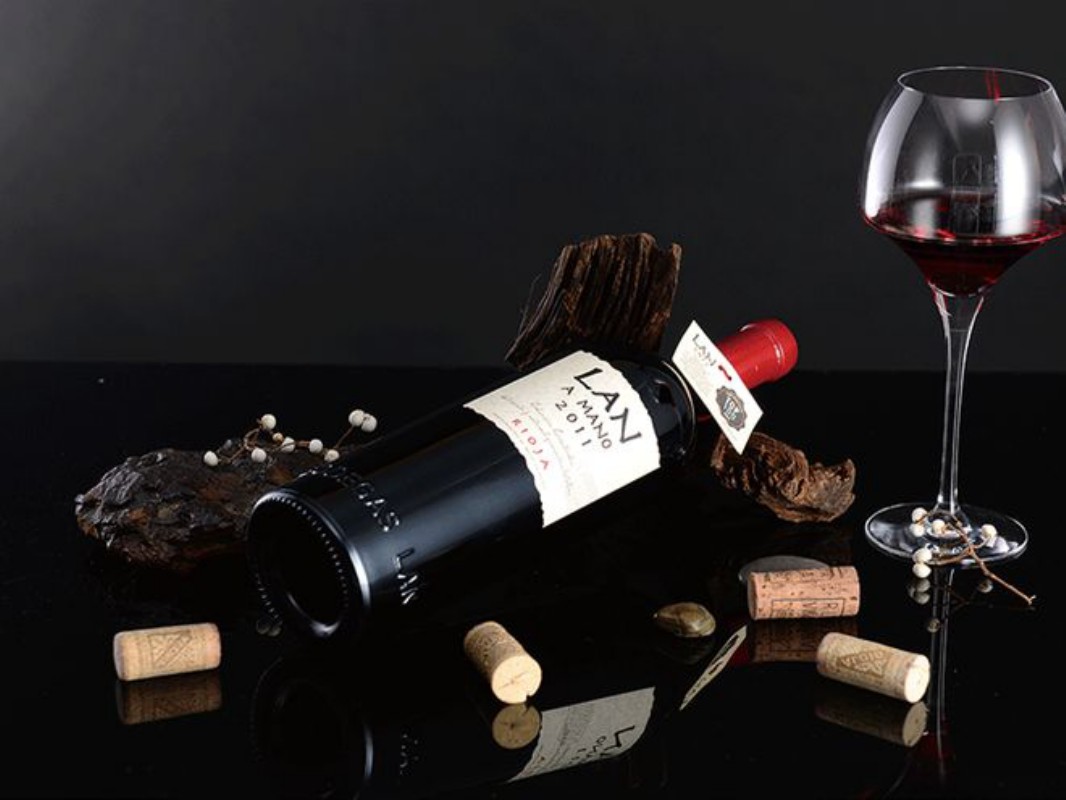
Above table wine, there are regional wines, designated origin wines, and qualified designated origin wines. Each level has strict production standards and quality requirements.
Detailed Comparison of Each Classification
| Grade | Spanish Term | Characteristics | Price Range |
|---|
| Table Wine | Vino de Mesa | Most basic level, no regional restrictions | 2-8 euros |
| Regional Wine | Vino de la Tierra | Regional identification, slightly better quality | 5-15 euros |
| Designated Origin Wine | DO | Strict regional control, quality assurance | 8-30 euros |
| Qualified Designated Origin Wine | DOCa | Highest level, stringent standards | 15-100+ euros |
In daily purchasing, I’ve noticed many people overlook table wine classification bottles. Actually, some table wines, despite being the lowest grade, can offer excellent value if chosen properly. Particularly some small winery-produced table wines, though lacking complex certifications, are made with careful attention to ingredients and craftsmanship.
How to Choose the Right Wine Classification
For friends just discovering Spanish wine lowest prices, I recommend starting with DO level wines. This classification offers both quality assurance and reasonable pricing. If you need daily table wine, regional wine is an excellent choice - it’s better quality than ordinary table wine while remaining affordably priced.
If your budget allows and you pursue quality, DOCa level red wines are definitely worth the investment. These wines typically come from famous regions like Rioja or Priorat, with long winemaking traditions and strict quality control.
Finally, I remind everyone not to judge wines solely by classification level. Sometimes a carefully crafted table wine might have more character and charm than certain high-grade but heavily commercialized wines. The key is choosing according to your preferences and budget, trying different classifications and regions, and gradually developing your wine-tasting experience.
