Spanish Wine’s 12 Brothers: A Quality Journey from Rioja to Ribera del Duero
As a wine enthusiast who has lived in Spain for over a decade, I’ve been continuously captivated by the rich and diverse wine culture of this land. Spain boasts the world’s most varied wine regions, each with unique terroir conditions and winemaking traditions. Today I want to share with you my version of “Spain’s 12 Wine Brothers” - these regions are like twelve brothers with distinct personalities, each showcasing different charms. For those interested in Spanish brother wine pricing, understanding these regional differences is essential.
The Classic Trio: Rioja, Ribera del Duero, Toro
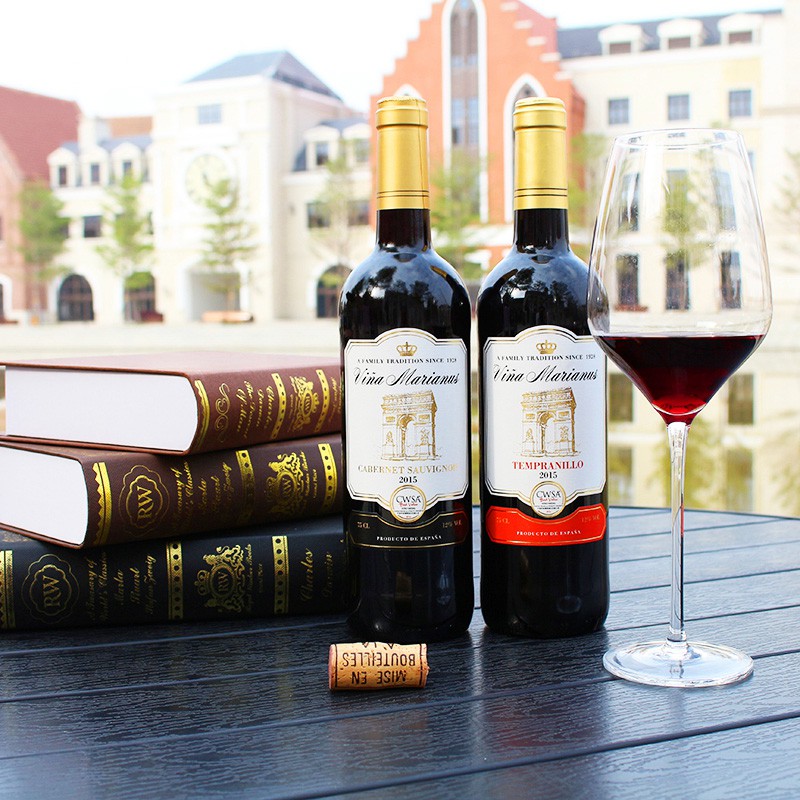
Rioja is undoubtedly the king of Spanish red wines, where Tempranillo grapes aged in oak barrels develop complex vanilla and leather aromas. My personal favorite is Marqués de Riscal’s Gran Reserva - the elegant tannin structure is truly unforgettable. Ribera del Duero is known for its more intense style, where high-altitude vineyards produce deep-colored wines with robust tannins. Though relatively niche, Toro region creates powerful wines from the Tempranillo variant Tinta de Toro. The Spanish three brothers wine perfectly represents this trinity of excellence.
Emerging Powers: Priorat, Montsant, Jumilla
Recently, the dominance of traditional regions is being challenged. Priorat is renowned for its unique slate soils and successful integration of international varieties, where Garnacha and Cariñena blends exhibit remarkable mineral character. Montsant’s organic winemaking philosophy is gaining increasing attention, while Jumilla has won market recognition with its exceptional value-for-money quality wines.
| Region Name | Main Varieties | Style Characteristics | Recommended Vintages |
|---|
| Rioja | Tempranillo | Elegant balance | 2015-2018 |
| Ribera del Duero | Tempranillo | Rich intensity | 2016-2019 |
| Priorat | Garnacha+Cariñena | Mineral character | 2017-2020 |
| Jumilla | Monastrell | Great value | 2018-2021 |
Mediterranean Coast: Alicante, Valencia, Andalusia
Though Mediterranean coastal regions are famous for sweet and white wines, red wine quality has been rapidly improving in recent years. Alicante’s Monastrell displays intense fruit aromas, while Valencia region is experiencing renaissance under modern winemaking techniques. Though Andalusia’s Sherry isn’t red wine, its rich flavor complexity is equally worth trying.
Hidden Gems of Northern Mountains
Finally, I must mention some small regions in the northern mountains, such as Bierzo and certain red wine areas in Galicia. Bierzo’s Mencía grape creates wines with unique floral aromatics and elegant acidity - one of my recent discoveries. Though these regions have limited production, their superior quality makes them perfect for enthusiasts seeking fresh experiences.
Whenever friends ask me how to choose Spanish wines, I always suggest starting with Rioja and gradually exploring other regions. Each region has its unique story and flavors, like tasting Spain’s rich and colorful cultural history. Which region’s wines do you prefer? Feel free to share your tasting experiences in the comments!
