During a recent visit to a winery in Madrid, the owner particularly emphasized the importance of red wine color in quality assessment. As an enthusiast who has lived in Spain for several years and appreciates Spanish red wine colors, I’d like to share my observations and understanding of Spanish red wine color characteristics.
Quality Information Reflected by Color
Spanish red wine color can indeed reveal significant quality information. Generally speaking, wines displaying deep red to purple-red hues typically indicate full-bodied wines with higher tannin content. Meanwhile, wines leaning toward brick-red or orange-red tones often represent wines that have undergone extended aging.
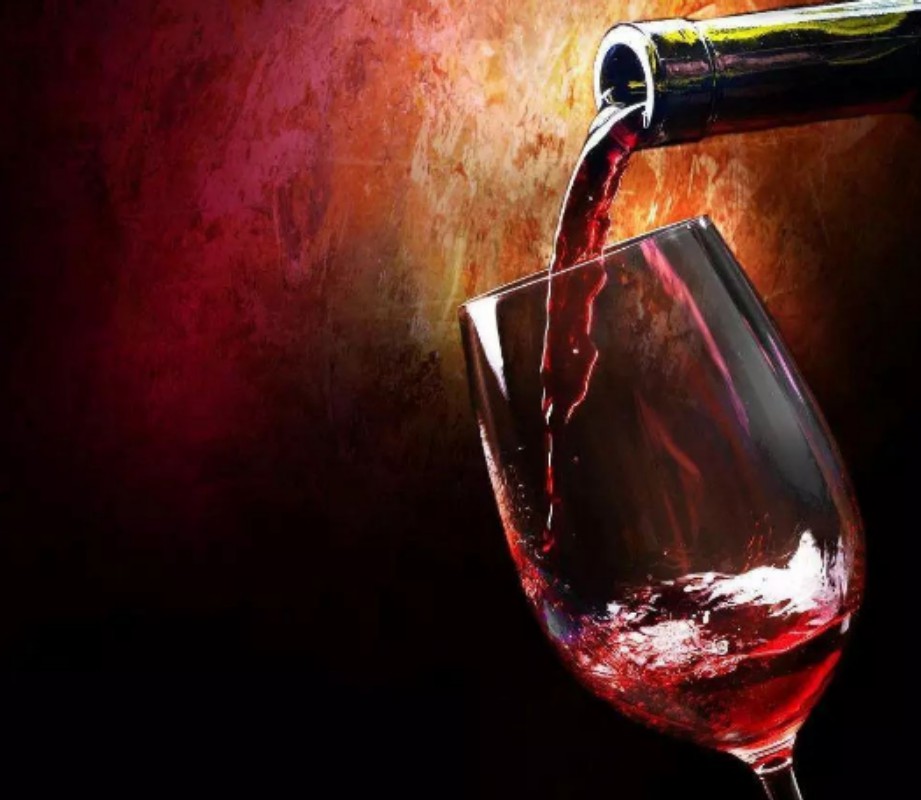
Spanish red wines from different regions also show distinct color variations. For instance, Tempranillo wines from Rioja typically display deep cherry-red colors, while wines from Priorat tend toward deeper purple hues. These differences primarily stem from variations in grape varieties, soil conditions, and winemaking techniques.
Key Factors Influencing Red Wine Color
| Factor | Impact on Color |
|---|
| Grape variety | Determines base color tone |
| Fermentation time | Affects color intensity |
| Aging period | Changes color evolution |
| Oak barrel treatment | Adds complexity |
From my personal wine tasting experience, young Spanish red wines typically exhibit more vibrant and intense colors, while wines aged for several years gradually develop softer hues, evolving from deep purple-red to brick-red tones. This transformation process itself represents a form of beauty.
Practical Color Assessment Techniques
When tasting Spanish red wines, I habitually first observe how the wine appears in the glass. While relying solely on color for quality judgment isn’t comprehensive enough, it certainly serves as an excellent starting point. Quality Spanish red wines should appear clear and transparent when observed under natural light, without cloudiness or sediment.
Spanish red wine color is indeed one of the important quality indicators, but it’s only part of the overall tasting experience. Combining aroma, taste, and finish in comprehensive evaluation allows us to truly appreciate a wine’s quality. For those of us living in Spain as wine enthusiasts, the key is to observe more, compare more, and gradually develop our own judgment skills.
