As a wine enthusiast who has lived in Spain for many years, friends often ask me about Spanish red wine colors. Today I’d like to share my observations and experience, hoping to help everyone better understand and appreciate Spanish red wines.
Basic Color Classification of Spanish Red Wines
Spanish red wine colors can be mainly divided into several levels. Young red wines typically display vibrant cherry red or ruby red colors, which look very lively with relatively high transparency. As aging time increases, the wine color gradually deepens, becoming more profound garnet red or deep purple.
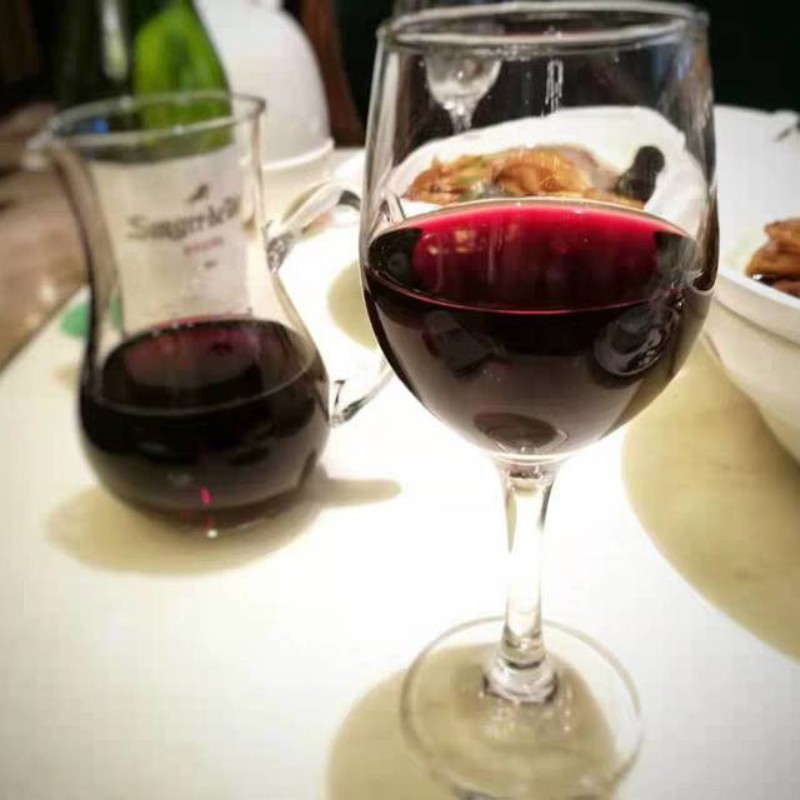
Red wines from different regions also exhibit different color characteristics. For example, Rioja red wines, mainly using Tempranillo grapes, usually have brighter colors, displaying beautiful brick-red tones. Meanwhile, wines from Ribera del Duero region often have deeper and more intense colors.
Main Factors Affecting Red Wine Color
Red wine color is mainly influenced by the following factors: grape varieties, winemaking techniques, aging time, and storage conditions. Different grape varieties naturally contain different pigment levels - for instance, Garnacha grapes produce relatively lighter-colored wines, while Monastrell grapes can produce very deep-colored red wines.
| Grape Variety | Typical Color | Regional Representative |
|---|
| Tempranillo | Cherry red to brick red | Rioja, Ribera del Duero |
| Garnacha | Light red to medium red | Navarra, Aragón |
| Monastrell | Deep purple-red | Jumilla, Yecla |
Observing wine color is the first step in wine tasting. Tilt the glass at a 45-degree angle and observe the wine’s color and transparency against a white background. Cloudy or sediment-containing wine may have quality issues, while clear, bright wines with pure colors usually indicate good quality.
Experienced tasters can also judge a wine’s vintage and condition by observing Spanish Aged Red Wine Colors and the color changes at the wine’s rim. Young red wines typically have vibrant purple or red edges, while aged red wines display orange or brick-red tones at the rim. This rim evolution is a natural sign of wine aging and doesn’t indicate deterioration in quality.
