Spanish Forest Route Wine: Liquid Art of the Galicia Region
While recently exploring the Galicia region, I stumbled upon several small wineries along the Forest Route, and after tasting their red wines, I was truly impressed. Most of these wineries are hidden within dense forests, away from commercial hustle and bustle, maintaining traditional winemaking crafts.
Unique Terroir Conditions of Forest Route Wines
The climatic conditions of the Galicia region provide exceptional advantages for red wine production. The oceanic climate here brings abundant rainfall, while forest coverage regulates temperature variations. The soil is mostly a mixture of granite and slate, providing excellent drainage and minerals for grape root systems. Local winemakers told me that it’s precisely this unique geographical environment that creates the distinctive freshness and mineral flavors characteristic of Forest Route red wines.
Main Grape Varieties and Their Characteristics
The main red wine grape varieties grown in the Forest Route region include Mencía, Brancellao, and Merenzao. Among these, Mencía is the most representative variety, producing red wines that typically display deep purple-red colors with blackberry and vanilla aromas. The Brancellao variety focuses more on acid balance, making it suitable for pairing with local seafood dishes.
| Grape Variety | Main Characteristics | Suitable Pairings |
|---|
| Mencía | Rich fruit aromas, soft tannins | Grilled meats |
| Brancellao | Balanced acidity, fresh taste | Seafood |
| Merenzao | Deep color, complex structure | Cheese platters |
Tasting Experience and Purchase Recommendations
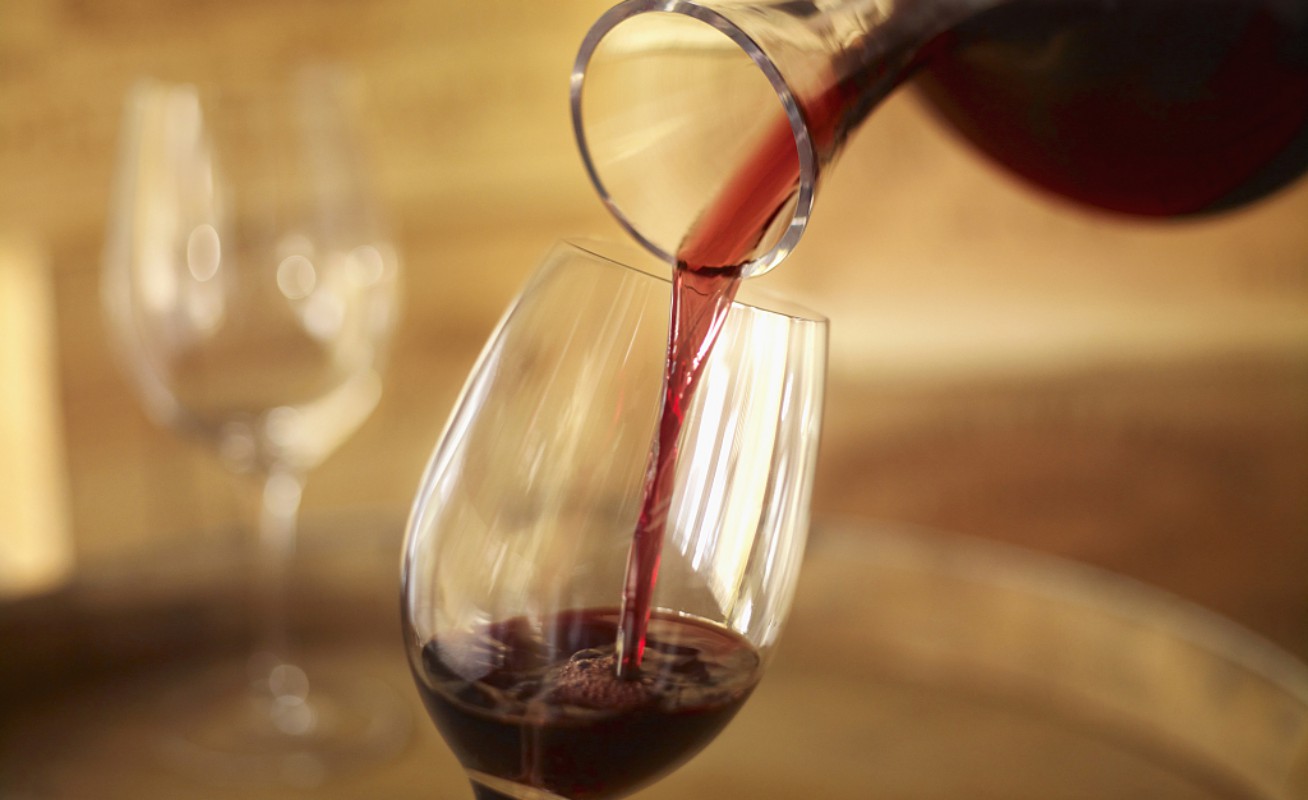
After tasting several Forest Route red wines from different vintages locally, I found that newer vintages are more suitable for immediate consumption, while aged wines require decanting to showcase their optimal state. Price-wise, premium red wines from small wineries typically range between 15-30 euros, offering excellent value for money. I recommend choosing products with DO certification labels, which guarantee quality.
If you have the opportunity to travel to Galicia, I strongly recommend visiting local wineries for hands-on experiences. Many wineries offer Tempranillo tours and wine tasting activities, allowing deeper understanding of the Forest Route wine production process and cultural background. Although these wineries are relatively niche, it’s precisely this niche quality of Spanish Forest Series wines that allows Forest Route wines to maintain their unique personality and charm.
