Discovering the Charm of the Forest King
Recently, I tasted several different vintages of Tempranillo at a winery in Madrid and was instantly captivated by this grape variety known as the “Forest King.” As Spain’s most representative red wine variety, Forest Path Red Wine not only carries profound historical culture but also showcases stunning layers of flavor. Today I’d like to share some of my experiences and knowledge about this Spanish national wine.
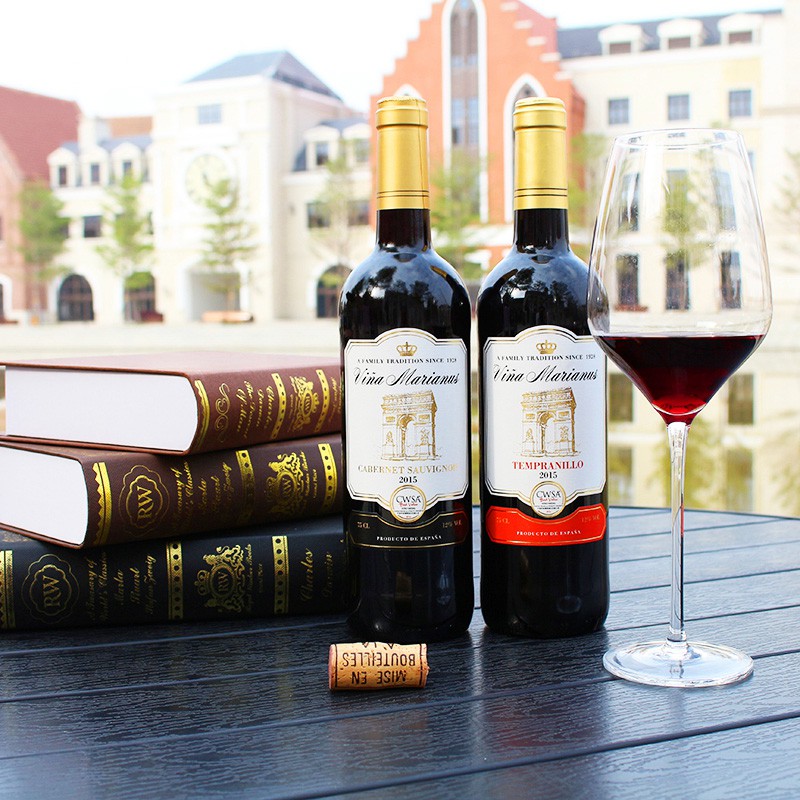
Regional Distribution and Characteristics
Tempranillo is primarily distributed across several core regions in Spain, each with its unique terroir characteristics. Rioja is undoubtedly the most famous region, where limestone and clay-rich soils provide ideal growing conditions for Spanish Forest Series Red Wine. Additionally, the high-altitude terrain of Ribera del Duero produces Tempranillo with more intense styles.
| Region Name | Altitude | Main Characteristics |
|---|
| Rioja | 400-700m | Elegant balance, prominent oak flavors |
| Ribera del Duero | 700-1000m | Rich and powerful, abundant tannins |
| Toro | 600-900m | Wild character, high alcohol content |
Tasting Experience
Last weekend I attended a Tempranillo tasting event, and the most impressive was a 2018 vintage from Rioja. Upon opening, it released intense blackberry and cherry aromas, accompanied by subtle vanilla and tobacco notes. The mouthfeel revealed silky smoothness, completely overturning my previous stereotypical impression of Spanish red wines being rough. The mid-palate acidity was perfectly balanced with the rich fruit flavors.
Aging Potential and Collectible Value
Premium Tempranillo has excellent aging potential, particularly Gran Reserva level wines from top estates. Generally, these wines require at least two years of oak barrel aging, followed by over three years of bottle aging before release. A 2010 Rioja Gran Reserva in my collection continues to evolve, revealing new aromatic layers each time I open a bottle.
Food Pairing Recommendations
Tempranillo’s versatility makes it excellent for food pairings. Young wines pair well with grilled meats and Mediterranean cuisine, while extensively aged wines better complement braised beef or mature cheeses. Last month at a restaurant in Seville, I paired a medium-bodied Tempranillo with Iberico ham - the collision of saltiness and fruit aromas was unforgettable. I recommend considering the wine’s vintage and style when choosing pairings to achieve the optimal taste experience.
