Spanish Red Wine Back Label Information Reading Guide
Understand Spanish red wine classifications through proper label reading.
As a wine enthusiast who has lived in Spain for many years, I’ve noticed that many friends get confused by the dense Spanish text on red wine back labels when shopping. Today I’ll share how to read Spanish red wine back labels, giving everyone more confidence when selecting wines.
Essential Information Recognition Points
Spanish red wine back labels typically contain the following core information: regional designations, alcohol content, vintage, winemaker information, etc. Denominación de Origen is the most important marking, representing protected designation of origin certification, similar to France’s AOC system. Common premium regions include Rioja, Ribera del Duero, Priorat, among others.
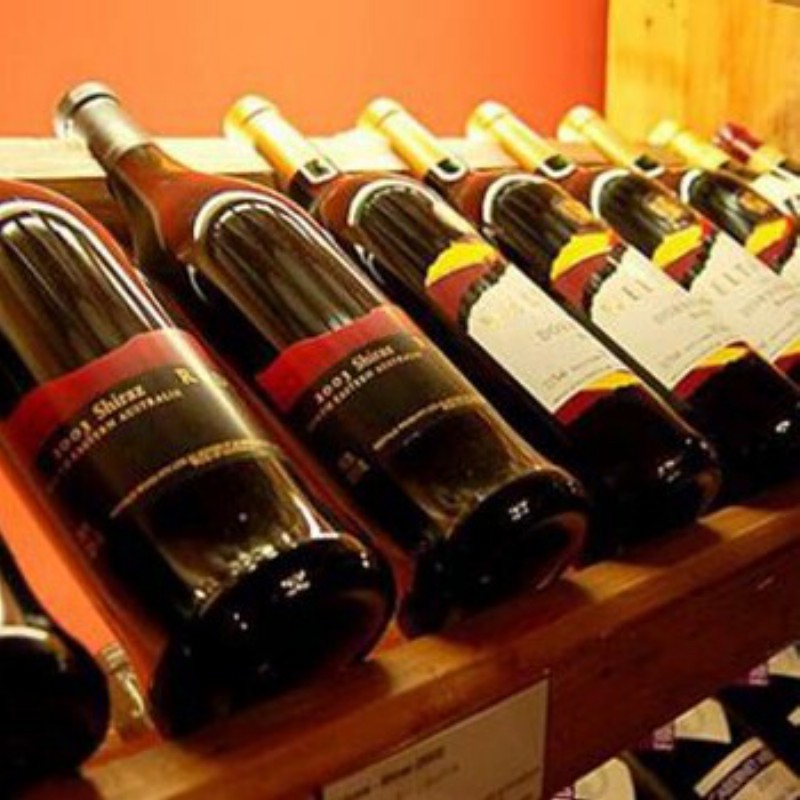
Alcohol content is marked as “Graduación alcohólica”, typically ranging between 12-15%. Spanish law requires red wine alcohol content not to fall below 11.5%. Vintage information is marked as “Cosecha” or “Añada”, which is very important for judging a wine’s aging potential.
Classification System Levels
Spanish red wines are classified into four levels based on aging time, clearly marked on back labels:
| Level | Spanish | Aging Requirements | Characteristics |
|---|
| Young Wine | Joven | No special requirements | Intense fruit aromas, suitable for young consumption |
| Aged | Crianza | At least 2 years, 6 months in oak barrels | Good balance, excellent value |
| Reserve | Reserva | At least 3 years, 1 year in oak barrels | High complexity, suitable for aging |
| Grand Reserve | Gran Reserva | At least 5 years, 18 months in oak barrels | Top quality, collectible value |
Winemaking Process and Variety Information
“Elaborado por” on the back label indicates producer information, while “Embotellado por” refers to the bottler. If both are identical, it indicates estate-produced and bottled wine, usually ensuring better quality. Grape variety information is marked as “Variedad”, with Spain’s main red wine varieties including Tempranillo, Garnacha, Monastrell, among others.
Many premium wines also mark traditional winemaking techniques modern process information, such as “Fermentación maloláctica”, a process that makes wine bodies smoother. Oak barrel information is also crucial, with “Criado en barrica de roble” indicating oak barrel aging, while “Roble americano” and “Roble francés” refer to American oak and French oak respectively.
Practical Selection Advice
Based on my experience, when selecting Spanish red wines, focus on these key points: First, check the region - DO level and above wines have basic quality assurance; second, look at the vintage - good vintage wines are worth trying even at entry level; finally, check alcohol content - red wines between 13-14% typically have the best balance.
For daily consumption of Spanish red wine labels, I recommend choosing Crianza level wines, which offer moderate pricing and stable quality. For special occasions or collecting, consider Reserva or Gran Reserva levels. Additionally, if the back label shows “Vino ecológico” marking, it indicates organic wine, which has become increasingly popular in recent years.
