Just bought several bottles of Spanish wine from the supermarket and found the dense markings on the back labels quite overwhelming. As a wine enthusiast who has lived in Spain for several years, today I’ll share how to understand these grade designations, hoping to help friends with similar confusion.
Overview of Spanish Wine Classification System
Spain’s wine classification system is quite strict, divided into four main levels. The highest grade is DOCa, currently awarded only to Rioja and Priorat regions. Next is DO, equivalent to France’s AOC, serving as an important quality assurance marker. The third level is IGP, previously called Vino de la Tierra. Finally, there’s the basic table wine level of Vino de Mesa.
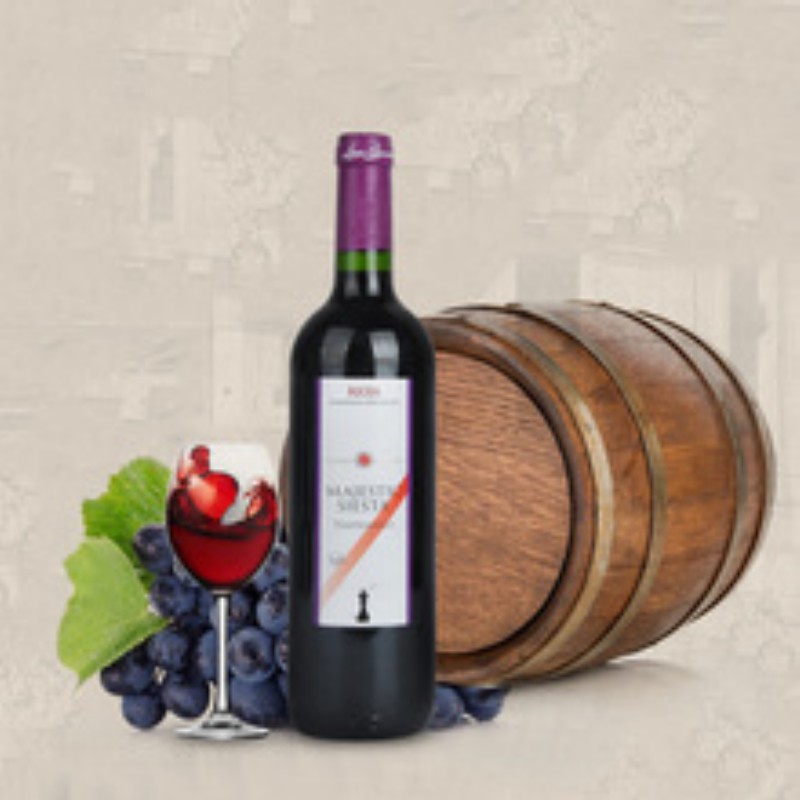
Key Back Label Information Interpretation
When reading back labels, besides grade designations, several key pieces of information require attention. Alcohol content is usually marked as “X% Vol”, with Spanish red wines typically ranging between 12-15 degrees. Vintage information is crucial, as wines from good years often have superior quality. Regional information clearly indicates specific DO or DOCa region names, such as “D.O. Rioja” or “D.O.Ca. Rioja”.
Aging information is also essential, divided into four levels: Joven, Crianza, Reserva, Gran Reserva. Each level has strict regulations for oak barrel aging and bottle aging time.
| Aging Grade | Minimum Aging Time | Oak Barrel Time |
|---|
| Joven | No requirement | No requirement |
| Crianza | 24 months | 6 months |
| Reserva | 36 months | 12 months |
| Gran Reserva | 60 months | 18 months |
Practical Purchasing Tips
Personally, I suggest beginners start with DO-level Crianza wines, which offer relatively good value. If your Spanish wine back label budget allows, DOCa-level wines are indeed outstanding in quality, especially Rioja’s Reserva series. Don’t be fooled by flashy packaging - back label information is key to judging quality.
When purchasing, also pay attention to producer information, as products from renowned wineries are trustworthy even in their basic lines. Additionally, importer information can reflect wine legitimacy, with wines from official import channels offering better quality assurance.
Hope this information helps everyone when purchasing Spanish wines. For additional questions or wine tasting discussions, feel free to comment below. After all, not enjoying good wine while in Spain would truly waste such an excellent wine culture environment! For more detailed guidance, check out this comprehensive Spanish wine label interpretation guide.
