A few days ago while organizing my wine cellar, I discovered something heartbreaking - several bottles of my treasured Spanish wines had developed cracks. As a wine enthusiast who has lived in Spain for many years, I feel it’s necessary to share this experience and the lessons learned.
Discovery of the Cracking Phenomenon
The cracked bottles this time were mainly from several 2018 vintage wines from the Rioja region, with cracks appearing in the middle to lower body section. The most painful loss was a bottle of Marqués de Cáceres reserve edition, which commands a significant market price. Upon inspection, I found that although the cracks were small, they had caused wine to slowly seep out, leaving red stains on the storage rack.
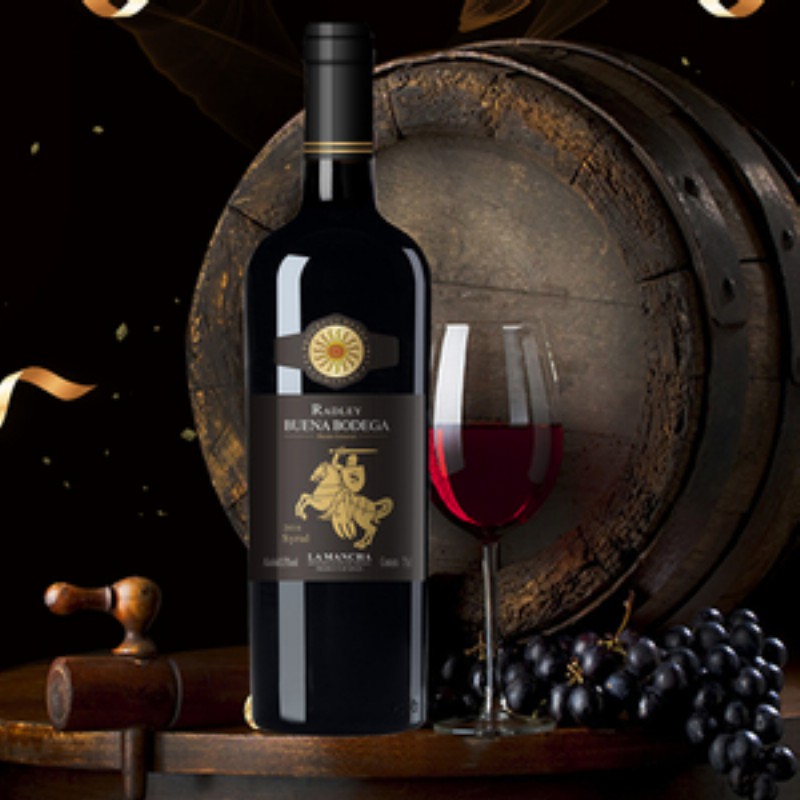
Temperature fluctuations are one of the main causes of wine bottle cracking. Spain’s climate characteristics include hot summers and relatively mild winters. If the storage environment lacks proper temperature control, bottles can easily develop stress concentrations due to thermal expansion and contraction. Particularly at the junction between the glass bottle bottom and body, micro-cracks are most likely to appear.
Analysis of Common Cracking Causes
Based on my observations and consultations with local wine merchants, the causes of wine storage cracking can be categorized as follows:
| Cracking Cause | Specific Manifestation | Prevention Measures |
|---|
| Temperature Fluctuation | Fine cracks appear on bottle body | Maintain constant temperature 12-18°C |
| Improper Humidity | Cork shrinkage causing pressure changes | Maintain 60-70% relative humidity |
| Vibration Impact | Cracking at bottle bottom or neck | Avoid frequent movement |
| Storage Position | Direct sunlight causing localized overheating | Choose cool, dark locations |
Additionally, it’s important to note that bottles should not be stored upright for too long, and should be kept horizontal or slightly tilted. This keeps the cork moist while reducing pressure impact on the bottle walls.
Practical Prevention Measures
After this lesson, I’ve summarized several practical prevention measures. First is investing in a professional wine cabinet or converting a basement into a wine cellar using Spanish wine storage methods, as ensuring storage environment stability is the most fundamental solution. If the budget for wine storage is limited, you can also purchase temperature and humidity meters to regularly monitor storage environment changes.
Regular bottle condition checks are also important. I now carefully inspect my wine collection monthly, paying special attention to whether bottle bodies show fine cracks or abnormalities. Once problems are discovered, I immediately move problematic bottles to safer locations or consider consuming them sooner.
Although this loss was heartbreaking, it has given me deeper understanding of wine storage. I hope my experience can help other wine enthusiasts avoid similar losses. After all, the value of a good wine lies not only in its price, but also in the time and emotion it carries.
