Basic Principles of Spanish Wine Storage
As a wine enthusiast who has lived in Spain for many years, I’ve found that many friends have misconceptions about wine storage. Spain, as the world’s third-largest wine-producing country, boasts numerous high-quality red wines, but even the finest wines will lose their original flavor and value if stored improperly. Today I’ll share some practical storage experience with you.
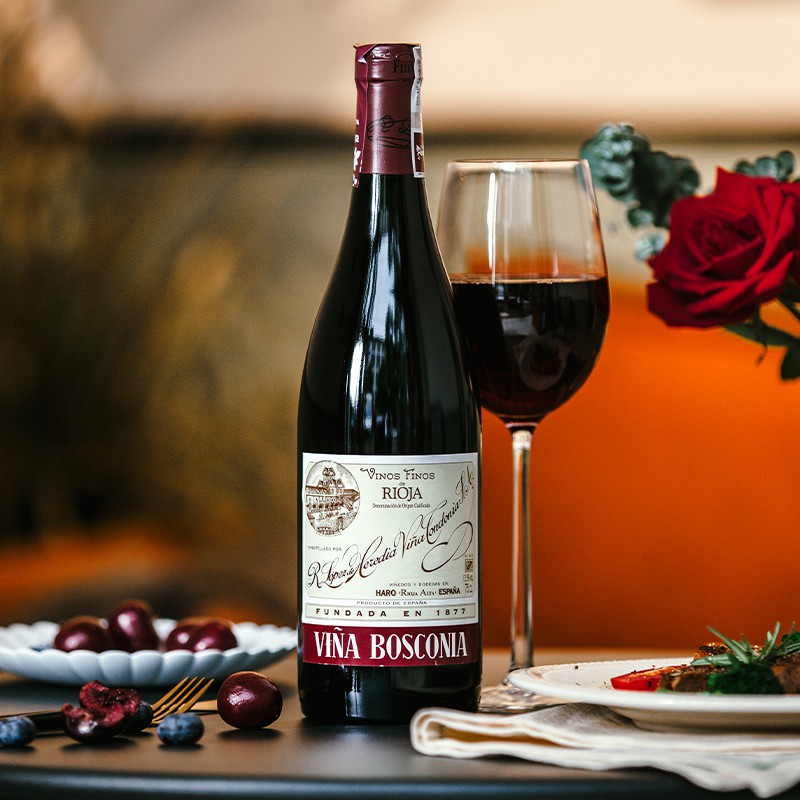
Temperature Control is Key
Temperature is one of the most important factors affecting red wine quality. The ideal storage temperature should be maintained between 12-18 degrees Celsius, preferably around 15 degrees Celsius. Temperatures that are too high will accelerate the wine’s aging process, while temperatures that are too low will cause the wine to lose its vitality. More importantly, the temperature must remain stable, avoiding frequent fluctuations.
I use a professional wine cabinet at home. Although it’s a significant investment, it’s absolutely worth it for storing valuable Spanish red wines. If you have budget constraints, you can also choose the coolest and most temperature-stable place in your home, such as a basement or north-facing storage room. For those dealing with wine storage breakage issues, proper temperature control becomes even more crucial.
Humidity and Light Management
Besides temperature, humidity control is equally important. Suitable humidity should be maintained between 60%-70%. Low humidity will cause cork drying and shrinkage, allowing air to enter the bottle and affect wine quality; excessive humidity may cause label mold, affecting collection value.
Light damage to red wine cannot be ignored, especially ultraviolet rays. Prolonged exposure to light will destroy organic compounds in red wine, causing taste deterioration. Therefore, the storage environment should be kept dark or use light-blocking materials.
Storage Position and Angle
The storage position of red wine also matters. The table below summarizes the pros and cons of different storage methods:
| Storage Method | Advantages | Disadvantages |
|---|
| Horizontal placement | Keeps cork moist, prevents air entry | Requires dedicated wine rack |
| Vertical placement | Saves space, convenient access | Cork dries easily during long-term storage |
| Inclined placement | Balances cork moisture and space saving | Requires precise angle control |
For long-term storage of Spanish red wines, I recommend horizontal placement. This allows the wine to maintain contact with the cork, keeping the cork moist and effectively preventing oxidation. You can find detailed guidance on Spanish wine storage methods to optimize your storage setup.
Avoid Vibration and Odors
The wine storage environment should maintain relative quiet, avoiding frequent vibrations. Vibrations will disturb sediments in red wine, affecting its natural aging process. Therefore, don’t place red wine near washing machines, refrigerators, or areas with frequent foot traffic.
Red wine is very sensitive to odors. The storage environment should maintain good ventilation, avoiding paint fumes, perfume scents, or other strong odor influences. Cork is porous, and these odors can easily penetrate into the wine, seriously affecting quality.
