Having lived in Spain for many years, I’ve gained considerable insight into the local wine culture. Today I’d like to discuss Spanish wine classification, particularly the VP grading system, hoping to help newcomers better select and appreciate Spanish wines.
Overview of Spanish Wine Classification System
Spain’s wine classification system is relatively complex, divided into four main levels. From lowest to highest: Vino de Mesa, Vino de la Tierra, Denominación de Origen, Denominación de Origen Calificada. This system ensures consumers can quickly assess wine quality based on the label.
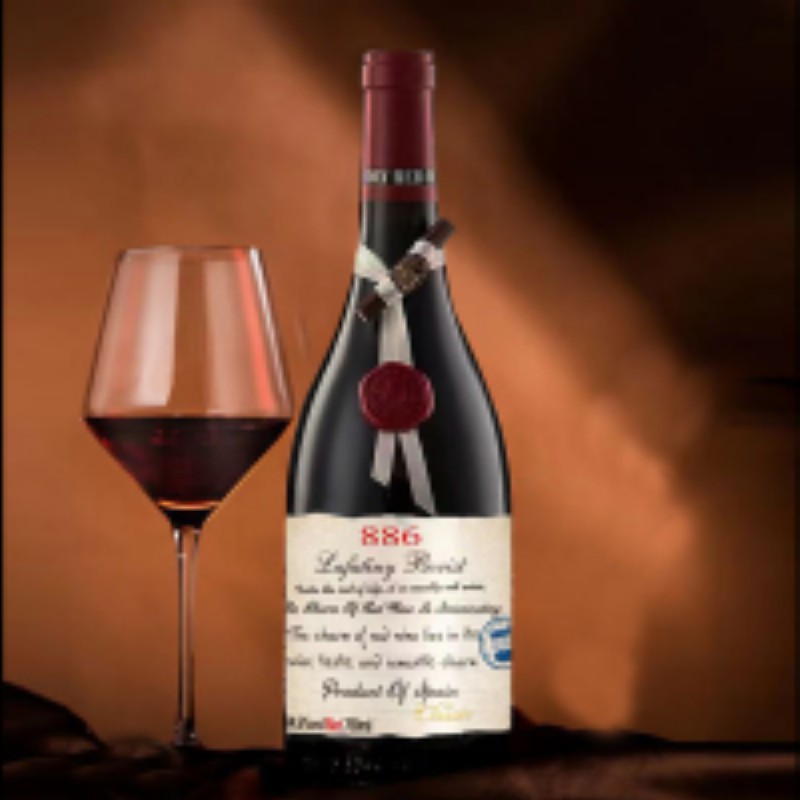
Detailed Analysis of Each Classification Level
| Level | Spanish Name | Quality Characteristics | Price Range |
|---|
| Table Wine | Vino de Mesa | Daily drinking, basic quality | €3-8 |
| Regional Wine | Vino de la Tierra | Regional characteristics | €5-15 |
| DO | Denominación de Origen | Strict regional control | €8-30 |
| DOCa | DOCa | Highest level, exceptional quality | €15-100+ |
From my purchasing experience, DO-level red wines offer the best value, ensuring quality without being overly expensive. Rioja region DO red wines, typically priced between €10-20, usually deliver excellent quality.
Meaning and Importance of VP Designation
VP actually stands for “Vino de Pago,” a special classification Spanish VP wine established by Spain in 2003. VP classification is specifically designed to certify single vineyards with unique terroir conditions, requiring stricter standards than DO and DOCa. Currently, Spanish VP wine prices fewer than 20 wineries across Spain have achieved VP certification, making them truly scarce resources.
VP-level wine characteristics include: must come from a single vineyard, possess unique microclimate and soil conditions, strictly controlled production volumes, and traditional winemaking techniques. These stringent standards ensure VP-level red wines deliver exceptional quality, with prices typically ranging from €30-150.
Purchase Recommendations and Practical Tips
For those new to Spanish wines, I recommend starting with DO-level wines. I particularly recommend red wines from Ribera del Duero and Rioja regions, as these areas produce wines with relatively approachable styles, rich fruit flavors, and moderate tannins. When purchasing, pay attention to aging designations on the label: Joven, Crianza, Reserva, Gran Reserva - higher aging classifications typically indicate better quality and higher prices.
If you have sufficient budget and want to try premium quality, consider seeking VP-level wines. However, due to extremely limited production, these are usually available only through specialized wine merchants or directly from wineries, rarely found in supermarkets.
