Recently, I’ve been chatting with friends about red wines from around Madrid, and it turns out everyone’s quite interested in this topic. As someone who’s lived here for several years, I’d like to share some thoughts and experiences about local red wines.
Basic Overview of the Madrid Wine Region
While Madrid may not be as renowned as Rioja, the red wines here certainly have their unique character. The Madrid wine region is mainly distributed in the south and southeast of the capital, with a relatively dry climate and significant day-night temperature differences - an environment very favorable for grape ripening.
The main red wine grape varieties grown locally include Tempranillo, Garnacha, and Cabernet Sauvignon. From my personal tasting experience, red wines here typically have medium body with prominent fruit aromas, and are quite reasonably priced.
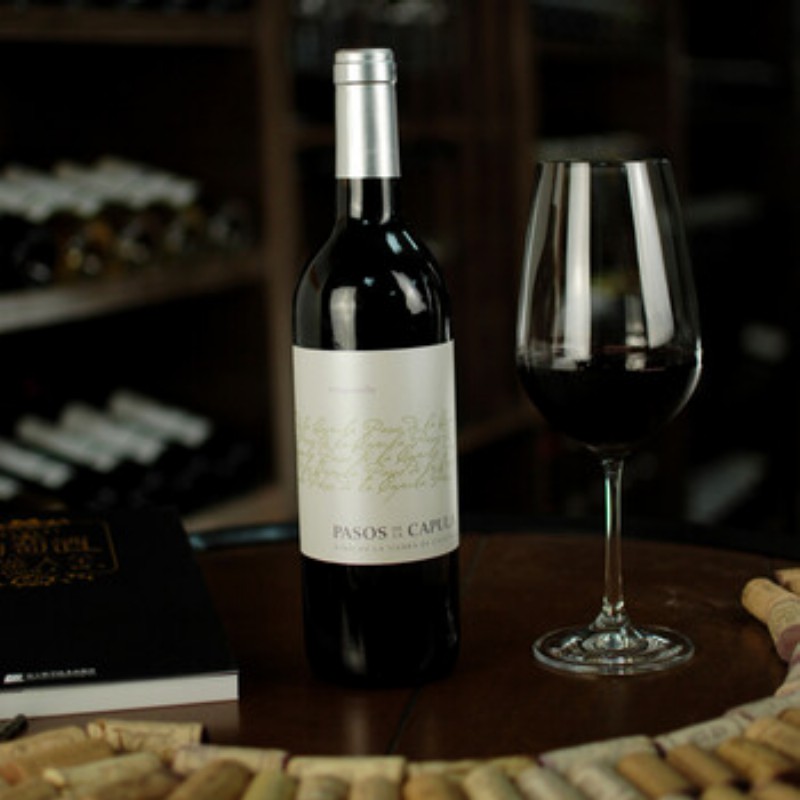
Notable Wineries Worth Visiting
I’ve visited several local wineries, with a few leaving particularly strong impressions. One family winery near Aranjuez produces reserve red wines of excellent quality - the complexity after aging is truly surprising. Another modern winery uses plenty of new technology, producing young red wines perfect for daily drinking.
The pricing is indeed very competitive. A quality Madrid red wine typically costs between 8-15 euros, offering much better value than wines from other famous regions.
Tasting Recommendations and Food Pairing
For those new to Madrid red wines, I recommend starting with younger vintages. These wines usually have more direct fruit flavors and won’t have overly complex tannin structures, making them easier to appreciate.
Here are the characteristics I’ve summarized for common Madrid red wine types:
| Wine Type | Main Characteristics | Food Pairing |
|---|
| Young Red | Fruity, soft tannins | Grilled meats, cheese |
| Aged Red | Complex structure, rich layers | Stews, game |
| Blended Red | Well-balanced, smooth mouthfeel | Mediterranean cuisine |
Purchase Options and Storage Tips
In Madrid, besides finding common brands in supermarkets, I recommend visiting specialized wine shops. The staff there are usually knowledgeable and can offer good advice. Some wineries also offer Spanish red wine horse head certification direct sales at better prices.
For storage, Madrid’s climate is quite dry, so home wine storage requires attention to light protection and maintaining proper humidity. Without a dedicated wine cellar, storing in a cooler storage room works too, but avoid large temperature fluctuations.
While Madrid red wines may not have the fame of other regions, their quality and value are excellent. Especially for those of us living locally, they’re perfectly adequate for daily consumption, and occasionally you’ll discover pleasant surprises. If you have the chance, I recommend trying local wines - including horse head red wine varieties - you might find some unexpected gems.
