As a wine enthusiast who has lived in Spain for over ten years, I’d like to share traditional Spanish red wine handcrafting methods with you. Over the years, I’ve learned numerous techniques from local winemakers, and now I can finally produce decent red wine at home.
Grape Variety Selection and Processing
The most suitable Spanish grape varieties for red wine production are primarily Tempranillo, Garnacha, and Bobal. When selecting grapes, pay attention to ripeness - sugar content should be between 22-25 degrees. Grapes must be processed within 24 hours after harvesting, otherwise wine quality will be affected.
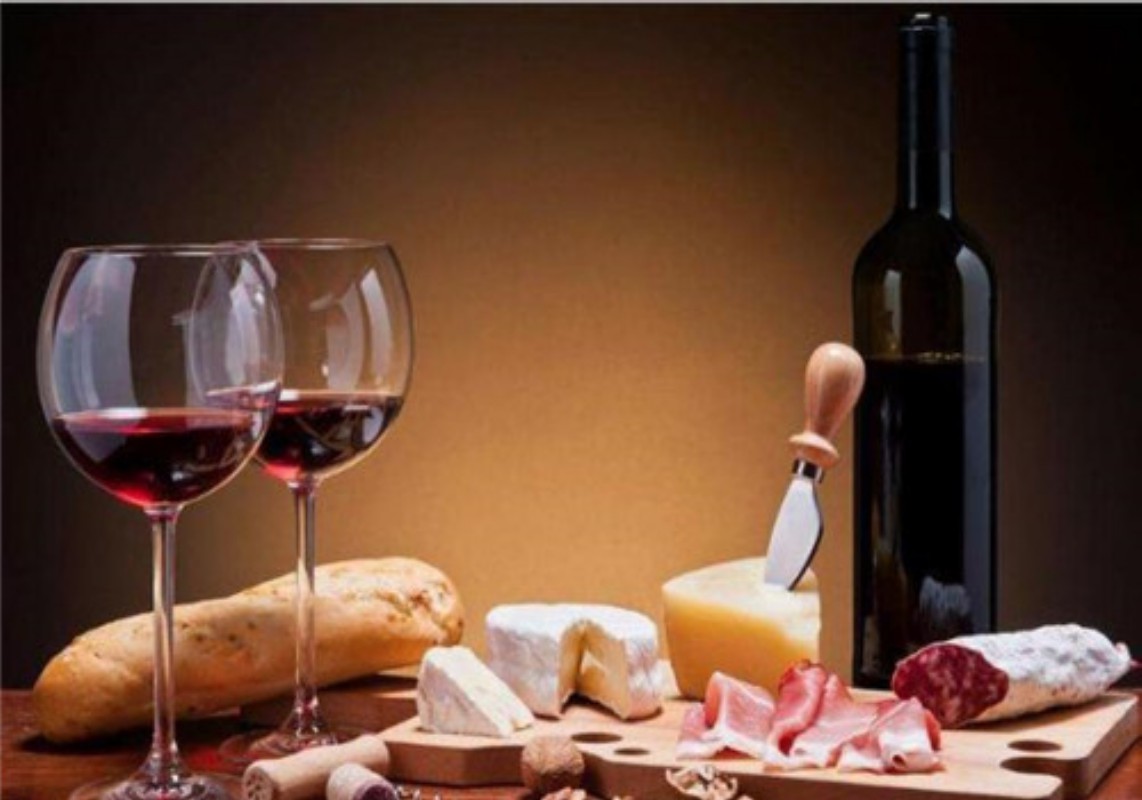
Processing steps for Spanish handcraft red wine include destemming and gentle crushing, but avoid excessive pressing as this releases too much tannin, affecting taste. I usually use manual methods - though time-consuming, it allows better force control.
Key Controls in the Fermentation Process
Fermentation is the core stage of winemaking. After placing processed grapes into fermentation containers, maintain temperature between 25-30°C. The first three days are crucial, requiring 2-3 punch-down operations daily to ensure adequate contact between grape skins and juice, extracting color and aromatic compounds.
| Fermentation Stage | Temperature Range | Duration |
|---|
| Initial Fermentation | 20-25°C | 3-5 days |
| Primary Fermentation | 25-30°C | 7-10 days |
| Secondary Fermentation | 18-22°C | 15-20 days |
Yeast selection is also important. I recommend using natural yeast - though fermentation takes longer, it produces more complex flavor profiles. If conditions are unstable for Spanish handcraft red wine, commercial yeast can be used as insurance.
Pressing and Clarification Techniques
After fermentation completion, pressing and separation are required. The first free-run juice is the highest quality portion and can be stored separately. Control pressure during pressing to avoid excessive squeezing that creates bitter flavors.
During clarification, I typically use natural settling methods, allowing wine to rest in low-temperature environments for 2-3 months. This requires 2-3 racking operations to remove sediments. Though lengthy, this process significantly improves wine quality.
Aging and Storage Guidelines
Traditional Spanish practice uses oak barrels for aging. Without such facilities, oak chips or staves can substitute. Aging duration depends on personal preference, typically 6-12 months. Storage environments should maintain constant temperature and humidity - 12-16°C temperature and 70-80% humidity.
Many people think winemaking is complicated, but once you grasp basic principles, decent wine can be made at home. The key is patience and strict attention to detail in every stage. Though my first wine wasn’t perfect, the sense of accomplishment was indescribable. I hope these experiences help friends wanting to try winemaking!
