Pedrosa Red Wine Tasting Notes: Exploring the Essence of Spanish Wine Culture
Recently, during a visit to a winery in Madrid, I accidentally discovered the Pedrosa red wine brand. As a wine enthusiast, I was deeply attracted by its unique flavor profile. Today I want to share my tasting experience of this wine with everyone, hoping to provide some reference for friends who equally love wine.
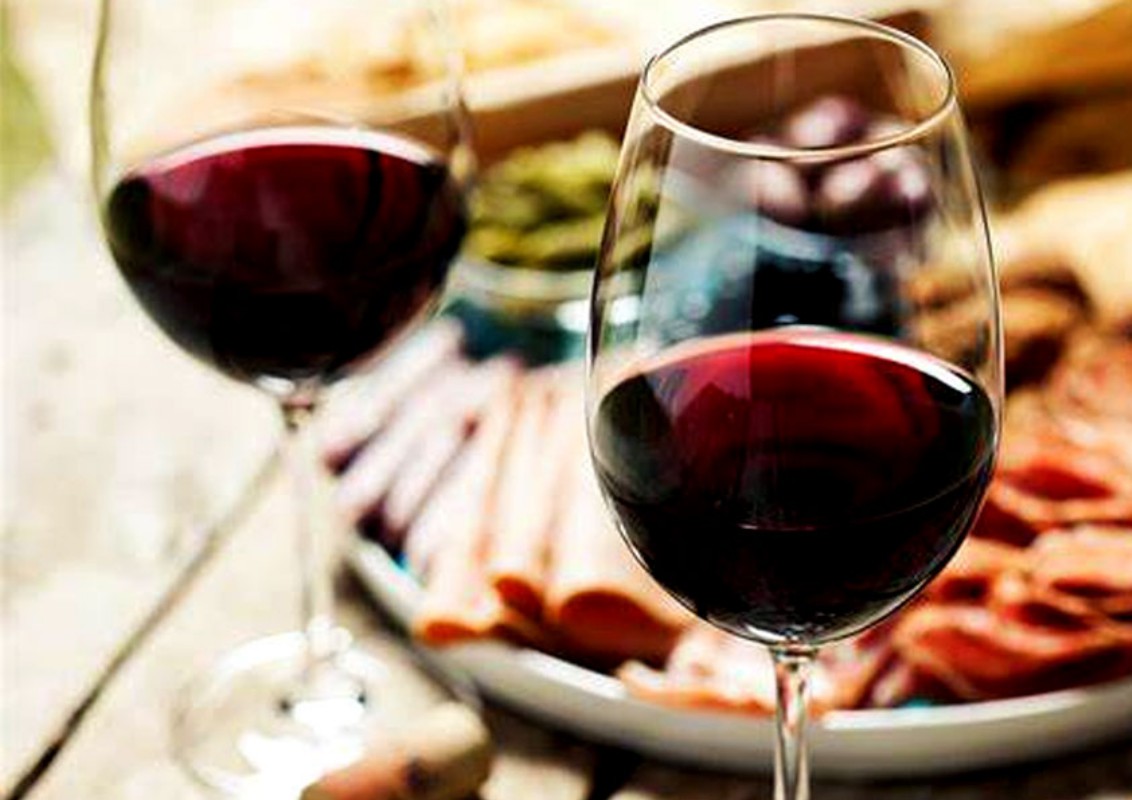
Wine Basic Information and Characteristics
Pedrosa red wine originates from the Castilla region in central Spain, where the climate conditions are very suitable for grape cultivation. This wine adopts traditional winemaking techniques, primarily using Tempranillo grapes as the main ingredient for Pedro Ximénez, aged in oak barrels for 12 months. The alcohol content is approximately 13.5%, displaying a deep ruby red color with very appealing visual effects.
The first sensation when tasting is the rich aroma of blackberry and cherry, followed by subtle notes of vanilla and oak. Upon entering the palate, the taste is rich with distinct layers, moderate tannins that are not overly heavy, unlike some overly intense wine varieties, this wine’s balance is quite outstanding.
Comparative Tasting Experience
To better evaluate this wine, I conducted a comparative tasting with several Spanish red wines in the same price range:
| Wine Name | Aroma Characteristics | Taste Rating | Value for Money |
|---|
| Pedrosa Red Wine | Rich fruit aroma, moderate oak | 8.5/10 | Very High |
| Rioja Classic | Prominent vanilla notes | 8.0/10 | Medium |
| Toro Dry Red | Heavy-bodied taste | 7.5/10 | Medium |
Through comparison, it can be found that Pedrosa performs outstandingly in taste balance, particularly suitable for friends who are first-time tasters of Spanish red wine.
Food Pairing Suggestions
The versatility of this wine provides many options for food pairing. My personal top recommendation is traditional Spanish roasted lamb, where the wine’s fruit notes can well balance the oiliness of the meat. Additionally, pairing with cheese platters or pasta dishes are also excellent choices.
This wine is quite particular about optimal serving temperature, recommended to be served at 16-18 degrees Celsius, which maximizes the release of the wine’s aroma and taste layers. If the temperature is too high, the alcohol flavor becomes too prominent; if too low, the aroma is not sufficiently apparent.
Finally, I’d like to mention that Pedrosa red wine is relatively affordable, available at local wine merchants for around 15 euros. For friends who want to understand Spanish wine culture without investing too much cost initially, this is indeed a choice worth trying. I hope my sharing is helpful to everyone, and I welcome other wine enthusiasts to share their own tasting experiences.
