Discovering Pedro Ximénez: Andalusia’s Sweet Treasure
Having lived in southern Spain for nearly two years now, I’ve recently become fascinated with the local sweet wine culture. When it comes to Spanish sweet wines, one cannot help but mention Pedro Ximénez, affectionately called “PX” by locals - it’s truly the pride of the Andalusian region. The first time I tasted it, that rich sweetness was unforgettable, like drinking concentrated sunshine essence.
Pedro Ximénez grapes are primarily cultivated in the Jerez region, and this variety requires extremely high sunlight exposure. Winemakers place the ripe grapes on grass mats to dry for 2-3 weeks, allowing the grapes to dehydrate and concentrate, reaching an amazing sugar content of 40-50%. This process is called “asoleo” and is the key step in producing high-quality PX sweet wine.
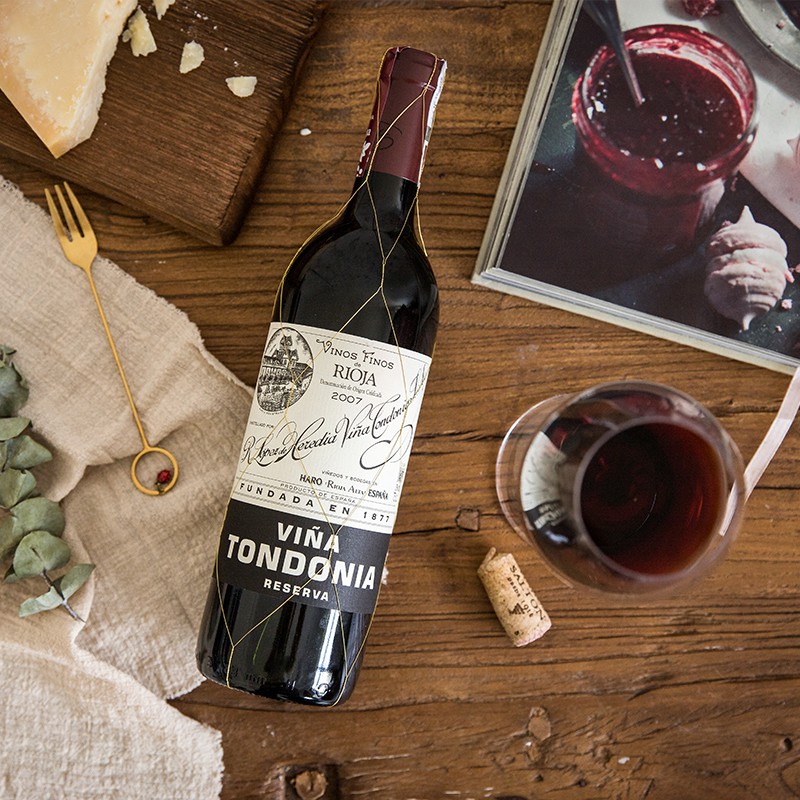
Tasting Characteristics and Food Pairing Suggestions
Pedro Ximénez sweet wine ranges in color from amber to deep brown, with older vintages displaying deeper hues. The taste profile features distinct fig, raisin, honey, and toffee flavors, with alcohol content typically between 15-17%. Most impressive is its almost syrup-like viscous texture, with sweet aftertastes that linger for extended periods.
Regarding pairings, PX sweet wine offers versatile applications:
| Pairing Type | Recommended Foods | Tasting Tips |
|---|
| Dessert Pairing | Vanilla ice cream, chocolate cake | Temperature control at 12-14°C |
| Cheese Pairing | Blue cheese, goat cheese | Small glass, slow sipping to appreciate layers |
| Baking Pairing | Almond cookies, fig tart | Can be drizzled directly on desserts |
Collection and Storage Experience Sharing
As a sweet wine enthusiast exploring Pedro Ximénez wine culture, I’ve found that PX sweet wine storage is relatively simple. Once opened, it can be preserved for months in cool conditions without deterioration, thanks to its high sugar content and alcohol level. I recommend selecting older vintage styles, such as 15 or 20-year aged varieties - while prices are slightly higher, the complexity is significantly superior.
When purchasing, I suggest choosing authorized wine merchants and checking for the DO Jerez-Xérès-Sherry regional designation. There are also some PX wines from the Montilla region available in the market, which offer equally good quality but with slightly different characteristics. I particularly recommend González Byass and Emilio Lustau brands for their consistent quality and local availability.
If you’re also interested in Spanish sweet wine culture, why not start exploring with an entry-level Pedro Ximénez bottle? Trust me, once you fall in love with this unique sweetness, you’ll understand why locals treasure this gift from the sun so deeply.
