Exploring the Unique Charm of Spanish Cathedral Wines
As a wine enthusiast who has lived in Spain for many years, I would like to share my in-depth experience with Spanish cathedral wines. These wines not only carry profound religious and cultural significance but also captivate countless tasters with their distinctive flavors, including discoveries like the precious wine collection found near small chapel.
Historical Origins and Cultural Background
Spanish cathedral wines have a long historical tradition, with many wineries having deep connections to local churches or monasteries. These wineries are often located in picturesque mountainous areas or hilly regions, where the exceptional geographical environment provides ideal conditions for grape cultivation. Since the Middle Ages, monks began planting grapes around churches to produce communion wine, a tradition that continues today, forming a unique winemaking culture.
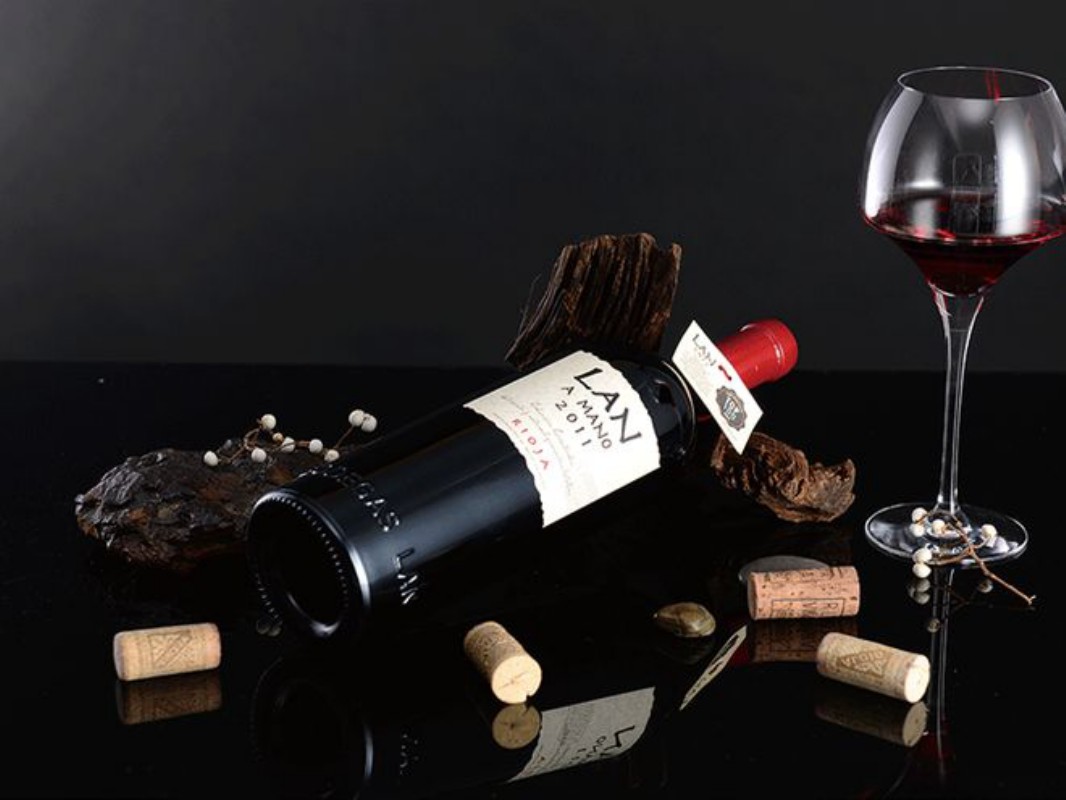
Main Regional Distribution
Spanish cathedral wines are primarily distributed across several important regions:
| Region | Signature Varieties | Flavor Characteristics |
|---|
| Rioja | Tempranillo | Rich fruit aromas, soft tannins |
| Ribera del Duero | Tempranillo | Complex structure, strong aging potential |
| Priorat | Garnacha | Strong mineral notes, full-bodied |
| Jerez | Palomino | Unique oxidative flavors |
These regions have different climatic conditions, creating various styles of cathedral wines. The temperate continental climate of the Rioja region is particularly suitable for Tempranillo grape maturation, while Priorat’s Mediterranean climate provides the perfect growing environment for Garnacha.
Unique Winemaking Techniques
The winemaking process of cathedral wines combines traditional and modern techniques. Many wineries still adhere to traditional oak barrel fermentation and aging processes, which is not only a continuation of history but also a persistent pursuit of quality. Fermentation typically uses temperature-controlled stainless steel tanks to ensure grape juice ferments at ideal temperatures, then transfers to French or American oak barrels for long-term aging.
Aging periods usually depend on different grades: regular grade 12-18 months, reserve grade over 24 months, and grand reserve even reaching 60 months. This extended aging gives cathedral wines complex layers and elegant taste profiles.
Tasting Techniques and Pairing Suggestions
When tasting cathedral wines, it’s recommended to use professional Burgundy glasses with temperature controlled at 16-18 degrees Celsius. Don’t fill the glass completely when pouring, leaving enough space for the wine to interact fully with air. Gently swirl the glass and observe the wine’s color and legs - quality cathedral wines typically display deep ruby red colors with prominent and lasting legs.
Regarding food pairings, cathedral wines demonstrate remarkable versatility. Traditional Spanish ham, roasted lamb, and cheese are classic combinations, while modern innovative dishes like black truffle pasta and roasted duck breast pair equally well.
Through years of tasting experience, I deeply appreciate that cathedral wines are not merely beverages, but carriers of Spanish culture and history. Each bottle tells a different story, worthy of our careful appreciation and exploration.
