As a wine enthusiast who has lived in Spain for many years, today I want to discuss the topic of Spanish Imperial Count wines with you. Recently, I tasted several different vintages of Count wines at a professional wine cellar in Madrid, and the experience was quite profound. I’d like to share this with fellow wine culture enthusiasts.
Historical Heritage and Noble Lineage
Spanish Count wines are not a single brand, but rather represent a category of high-end wines with noble backgrounds. Most of these wineries can be traced back to the 16th-17th century Spanish Imperial period, when noble families established wineries in premium regions like Rioja and Ribera del Duero. After centuries of inheritance, these family wineries still maintain traditional winemaking crafts and strict quality standards.
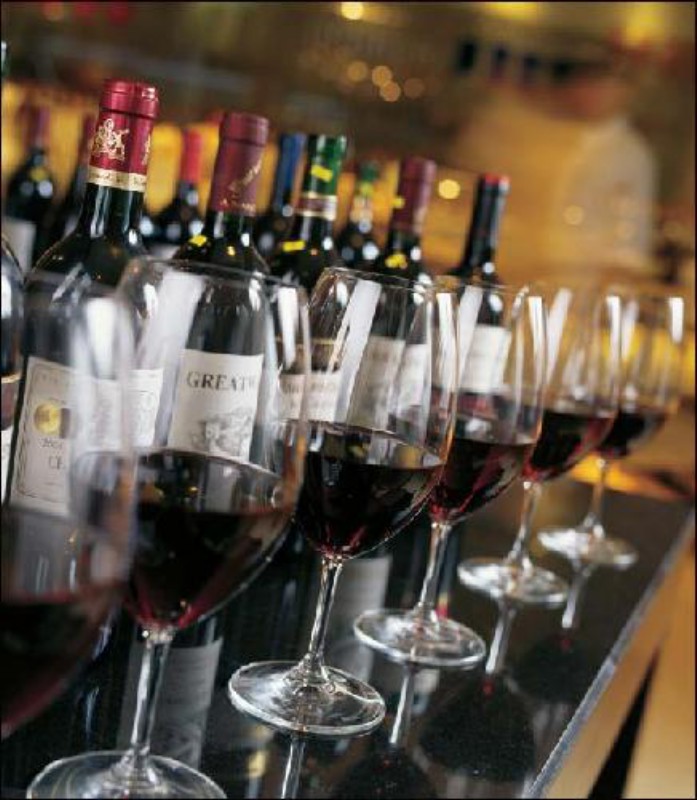
Regional Distribution and Characteristic Comparison
Count wines from different regions present unique flavor characteristics. Here’s a comparative analysis of the main regions:
| Region | Main Varieties | Flavor Profile | Aging Potential |
|---|
| Rioja | Tempranillo | Elegant and refined, rich oak aromas | 15-25 years |
| Ribera del Duero | Tempranillo | Rich and full-bodied, robust tannins | 20-30 years |
| Priorat | Grenache blends | Mineral-rich, highly complex | 10-20 years |
Tasting Techniques and Service Recommendations
When tasting Count wines, I recommend using Burgundy-style glasses, which better concentrate the aromas. The optimal serving temperature should be controlled between 16-18 degrees Celsius. After opening, it’s advisable to decant for 30-60 minutes, allowing the wine to fully contact air and release more layered aromas.
Locally in Spain, people typically pair these premium wines with Iberian ham, sheep’s milk cheese, or roasted lamb. When the wine enters your mouth, first feel its silky texture, then slowly savor the complex layers of fruit, spice, and oak.
Collection Value and Investment Prospects
From a collection perspective, limited editions or special vintages from renowned Count wineries have decent appreciation potential. For example, Count wines from excellent vintages like 1994, 2001, and 2010 have already increased 2-3 times their original selling price. Of course, investment carries risks, so collect cautiously.
For beginners interested in Spanish Imperial wines, I recommend starting with more cost-effective Gran Reserva level wines, typically priced between 30-50 euros. This allows you to experience the quality standards of noble wineries without creating too much financial pressure. As your tasting experience accumulates, you can gradually try higher-end limited editions or special vintages.
