Spanish Imperial Reserve Wine: Perfect Fusion of History and Quality
As a wine enthusiast who has lived in Spain for many years, I have deep emotional connections to the precious wines born from this land. Recently, I discovered several bottles labeled “Imperio Español” at an antique winery in Madrid, which sparked my intense interest in the winemaking crafts of the Spanish Imperial period.
Historical Background and Production Techniques
The Spanish Imperial era marked the golden age of the country’s wine industry. Winemakers of that time combined the natural advantages of the Mediterranean climate with winemaking techniques brought back from the New World, creating a unique viticultural system. These reserve wines typically use century-old vine grapes, aged for up to 18 months in oak barrels, resulting in complex layered flavors with exceptional collectible value.
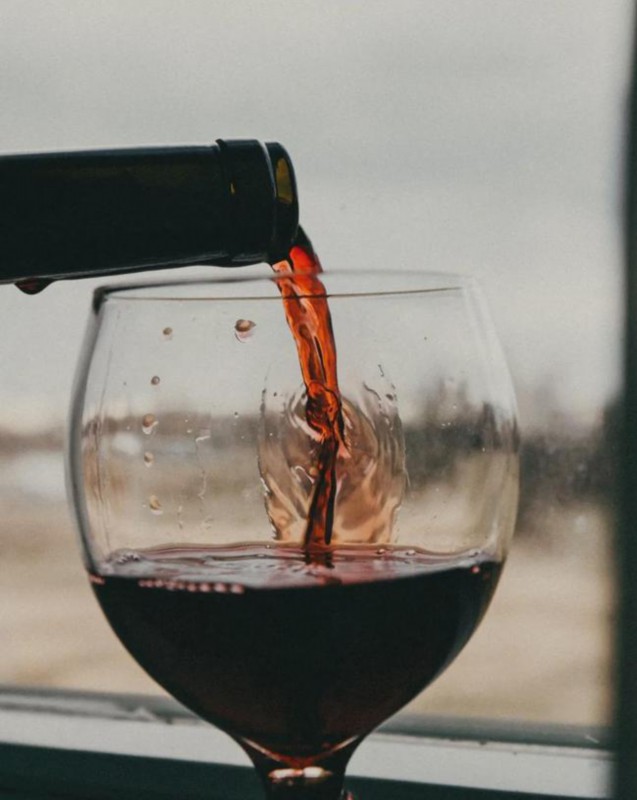
Tasting Characteristics and Flavor Analysis
The tasting points for Imperial reserve wines can be analyzed from several dimensions:
| Characteristic | Description | Rating Standard |
|---|
| Color | Deep ruby red with amber edges | Excellent |
| Aroma | Complex blackberry, vanilla, leather notes | Outstanding |
| Palate | Smooth tannins, balanced acidity | Excellent |
| Finish | Persistent with mineral notes | Outstanding |
For tasting, I recommend using Bordeaux glasses with decanting time controlled between 45-60 minutes, which maximizes the release of the wine’s complex aromas. Temperature control at 16-18 degrees Celsius is most suitable.
Market Value and Collection Prospects
According to recent auction data, Spanish Imperial reserve wines have shown remarkable market performance. A well-preserved 18th-century Imperial reserve wine typically sells for 3,000-8,000 euros at international auction markets. Investment returns have maintained an average annual growth of 12% over the past decade.
Storage and Tasting Recommendations
For those wanting to collect these precious wines, I suggest choosing professional wine cellars with constant temperature and humidity. Never store them in regular refrigerators, as temperature fluctuations can seriously affect wine quality. Ideal storage conditions should be 12-15 degrees Celsius, 60-70% humidity, avoiding light and vibration.
These Imperial reserves are not merely bottles of wine, but witnesses to Spain’s glorious history. Every sip allows you to taste the craftsmanship of winemakers from centuries past and the unique terroir of that era. For true wine collectors interested in Spanish Earl Wine and Spanish Imperial Estate Wine, owning an authentic Spanish Imperial reserve wine is definitely a collection to be proud of.
