Recently saw several excellent winery sale opportunities in my social circle and wanted to share them with everyone. These are all boutique wineries located in the Barcelona area, some Aragon red wine estates have been operating for many years with stable customer bases and sales channels.
The first is a family winery located in the Penedès region, covering approximately 15 hectares, with 12 hectares of vineyards. The winery primarily grows Tempranillo and Garnacha varieties, with an annual production of about 80,000 bottles. According to the owner, this winery has over 60 years of history, with fairly complete equipment including modern fermentation facilities and oak barrel aging areas. The asking price is 1.8 million euros, negotiable.
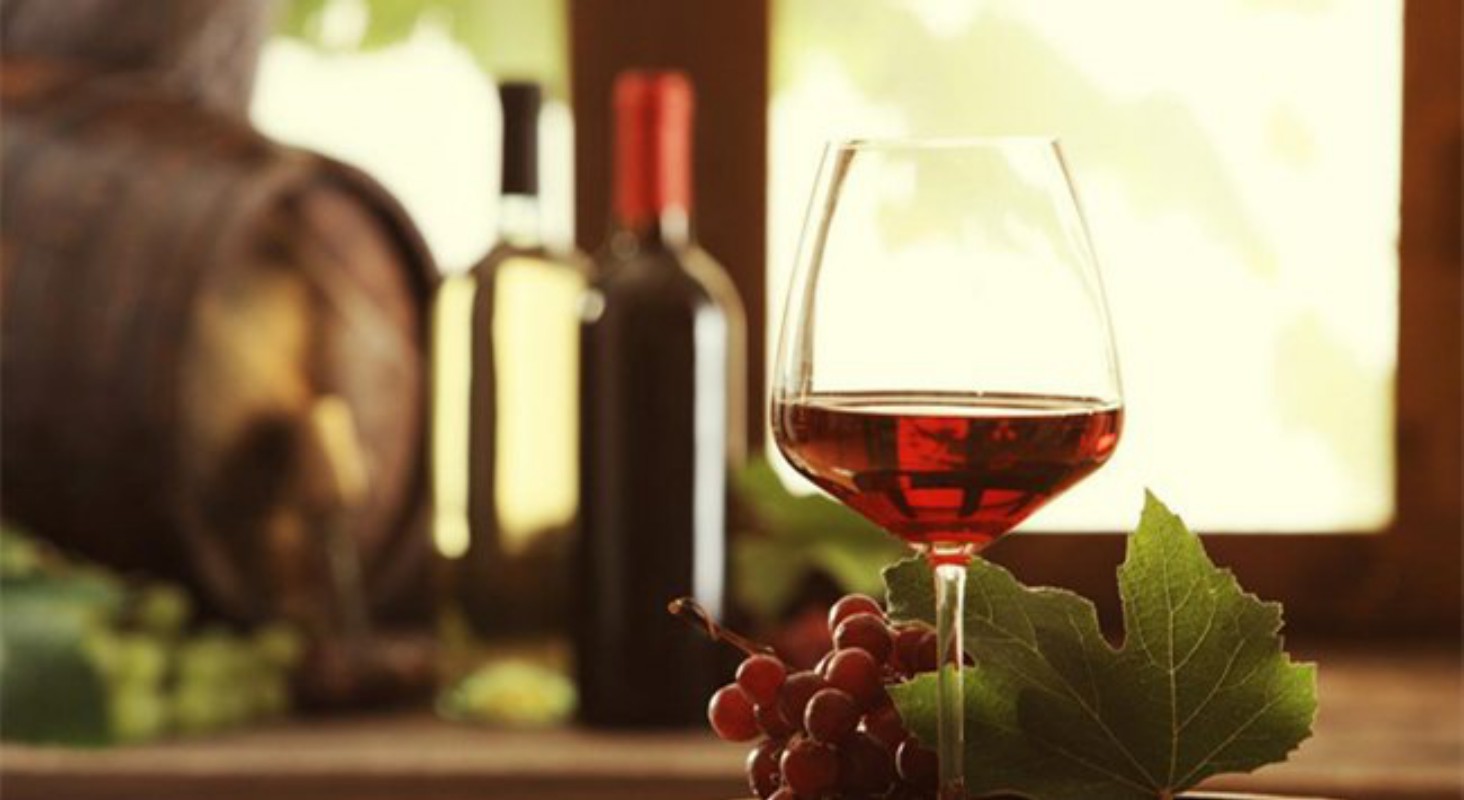
Another interesting one is an organic winery near Tarragona. This winery is smaller in scale with only 8 hectares, but the La Rioja winery transfer has already obtained EU organic certification and has gained some local recognition. The owners are a German couple who, due to their age, want to return to Germany for retirement, so they’ve decided to sell. The price is relatively cheaper, approximately 1.2 million euros.
Winery Investment Return Analysis
From an investment perspective, the basic information for these wineries is as follows:
| Winery Location | Area (hectares) | Annual Production (bottles) | Asking Price (million euros) |
|---|
| Penedès | 15 | 80,000 | 1.8 |
| Tarragona | 8 | 35,000 | 1.2 |
| Priorat | 6 | 25,000 | 2.0 |
The third winery is located in the Priorat region, which has relatively high international market recognition and higher prices. Although it only covers 6 hectares, due to its geographical advantages, the average price per bottle is 30-40% higher than other regions. However, the investment threshold is also higher.
Purchase Considerations
If you’re genuinely interested in investing in a winery, I recommend first understanding the relevant legal procedures and tax issues. Spanish winery transfers involve multiple aspects including land ownership, trademark usage rights, equipment valuation, etc. It’s best to find reliable lawyers and accountants to assist with the process.
Additionally, on-site inspection is essential - not just looking at the vineyards and cellars, but also understanding local climate conditions, soil conditions, surrounding transportation, etc. Some wineries may look good but could have potential issues like aging water supply systems or equipment needing updates, which would affect subsequent operational costs.
