Recently while visiting a winery in Madrid, I tasted several local dried red wines and found they indeed have distinct differences from regular red wines. As a wine enthusiast who has lived in Spain for several years, I’d like to share my genuine thoughts about Spanish dried red wines.
What is the Dried Wine Process
Spanish dried red wine uses a traditional winemaking technique where grapes are naturally air-dried in well-ventilated rooms for several weeks after harvest. During this process, grapes lose most of their water content while sugar and flavor compounds become concentrated. This technique is particularly common in Spain’s Valencia and Andalusia regions, where local climate conditions are perfectly suited for this traditional winemaking method.
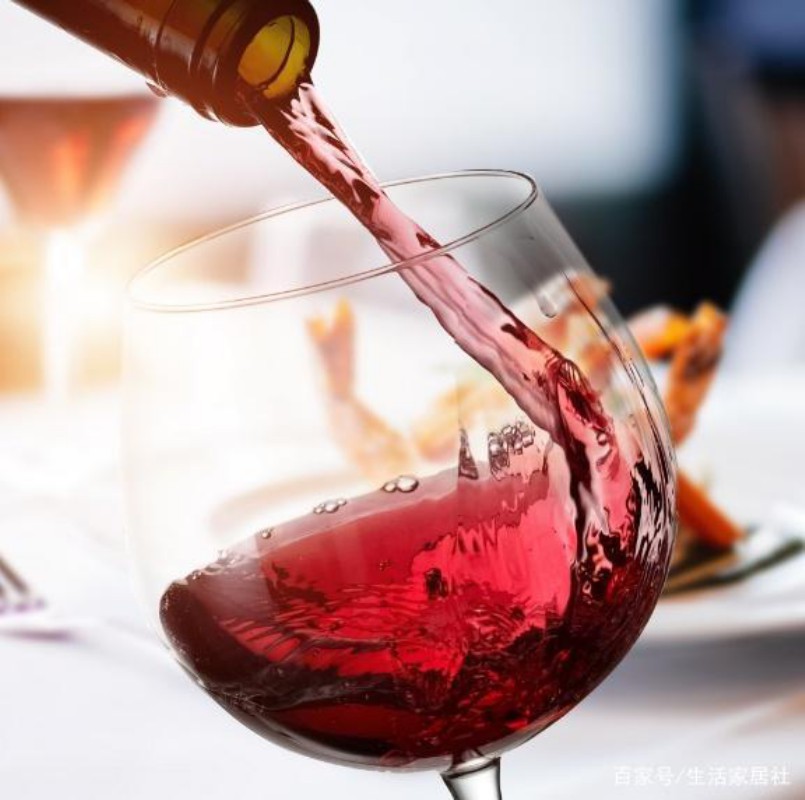
Taste Characteristics Comparison
Red wines processed through the drying technique indeed offer more intense and complex flavors. I’ve compiled the main differences between dried red wine and regular red wine:
| Feature | Dried Red Wine | Regular Red Wine |
|---|
| Alcohol Content | Usually 14-16% | Generally 12-14% |
| Sweetness | Medium to sweet | Mainly dry |
| Taste | Rich and full-bodied | Relatively fresh |
| Price | Higher | Standard pricing |
| Drinking Time | After meals or solo | Mainly with meals |
Recommended Regions and Brands
In Spain, the most famous dried red wine regions are Valencia’s Utiel-Requena and Andalusia’s Montilla-Moriles. Wineries in these areas typically have centuries of winemaking history with well-preserved traditional techniques. I personally recommend Bodegas Murviedro and Alvear brands for their good value for money.
From a pricing perspective, a quality Spanish dried red wine typically costs between 15-30 euros per bottle. While more expensive than regular red wines, considering the unique flavors and complexity of the production process, this price range is quite reasonable.
Personal Tasting Recommendations
If you’re trying Spanish dried red wine for the first time, I suggest starting with varieties that have relatively lower alcohol content. Don’t choose those with extremely high alcohol content right away, as this might create a poor first impression. The best tasting time is after dinner, paired with some nuts or dark chocolate, which can nicely balance the wine’s sweetness and acidity.
Spanish dried red wine certainly has its unique charm. While not everyone will appreciate this intense flavor profile, as a window into understanding Spanish dried wine culture, it’s definitely worth trying. Feel free to discuss any other questions about Spanish wines below.
