Recently at a winery tasting event in Madrid, I had the privilege of sampling several dried Aglianico red wines from the La Rioja region. As a wine enthusiast who has lived in Spain for many years, I’d like to share the story behind this unique winemaking process and my tasting insights with fellow Spanish dried red wine enthusiasts.
What is Dried Aglianico Red Wine
The Aglianico grape variety originates from southern Italy but also performs exceptionally well under Spanish climatic conditions. The drying process is a traditional winemaking method where harvested grapes are naturally dehydrated in well-ventilated environments for 3-4 months, highly concentrating the sugars and flavor compounds within the grapes. This technique is called “Pasificación” in Spain and creates unique flavor complexity.
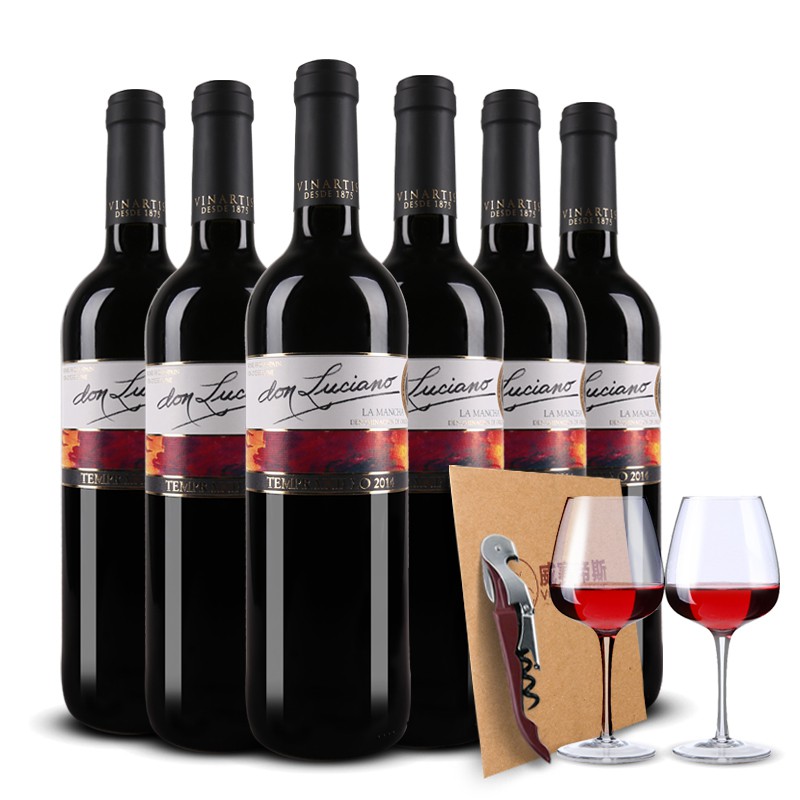
Tasting Characteristics Comparison
Below is my summary of the main differences between dried Aglianico and regular red wines:
| Feature | Dried Aglianico | Regular Red Wine |
|---|
| Alcohol Content | 14-16% | 12-14% |
| Sweetness | Semi-sweet to sweet | Dry |
| Tannins | Smooth and rounded | More structured |
| Fruit Aroma | Rich dried fruit notes | Fresh fruit aromas |
| Aging Potential | 15-20 years | 8-12 years |
Unique Aspects of the Production Process
At a traditional winery near Seville, the winemaker shared their drying process secrets with me. Grapes must be harvested during clear weather after full ripeness, then laid on bamboo mats in specialized ventilation rooms, turned weekly to prevent mold. The entire process requires close monitoring of humidity and temperature to ensure gradual, uniform water loss from the grapes.
This patient waiting results in grape sugar levels rising from 22 degrees to around 35 degrees while preserving rich phenolic compounds. Although yield decreases by 40-50%, the resulting wine possesses unparalleled complexity and depth.
Optimal Food Pairings
Based on my experience, dried Aglianico red wine pairs best with the following foods: cheese platters, roasted lamb, and Iberian ham are all excellent choices. The wine’s subtle sweetness balances the saltiness of foods, while its rich fruit aromas won’t be overshadowed by intense meats.
For those new to Spanish dried red wine, I recommend selecting wines aged 3-5 years, when tannins have softened and fruit and oak aromas achieve perfect balance. After opening, I suggest decanting for 30 minutes to allow the wine to breathe and release its aromas. The optimal tasting temperature is 16-18 degrees Celsius - too cold masks the aromas, while too warm emphasizes alcohol.
