Recently, while browsing several wine specialty stores in Madrid, I discovered a very interesting phenomenon: more and more Spanish local consumers are beginning to pay attention to and purchase imported wines, particularly products from France, Italy, and Chile. This phenomenon reminds me of the saying ‘a single spark can start a prairie fire’ - although imported wines don’t yet hold a very large market share in Spain, their growth momentum is indeed remarkable.
Regional Diversification Brings Rich Choices
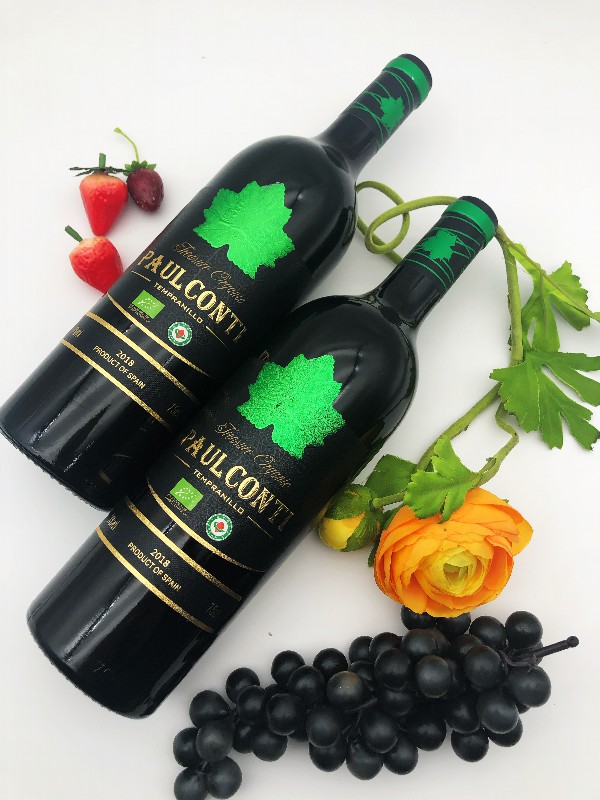
As a wine enthusiast who has lived in Barcelona for five years, I can clearly feel the increasing interest consumers have in wines from different regions. Previously, people mainly drank local Rioja or Ribera del Duero, but now supermarkets regularly stock French Bordeaux, Italian Tuscany, and even South African and Australian wines. This diversified selection gives consumers more opportunities to compare and experiment.
Price Advantage Becomes an Important Factor
I must admit that price factors play an important role in this trend. Through my price research at several supermarket chains, I discovered some interesting data:
| Region | Average Price | Value Rating |
|---|
| Chile Central Valley | €6-12 | 8.5/10 |
| Argentina Mendoza | €8-15 | 8.0/10 |
| Italy Tuscany | €12-25 | 7.5/10 |
| France Languedoc | €10-18 | 7.8/10 |
These imported wines maintain quality while often offering better value than equivalent Spanish premium wines. Chilean and Argentine wines particularly excel in the under-€10 price segment.
Subtle Changes in Consumer Habits
I’ve noticed that my Spanish friends have become more open-minded when selecting wines. Previously, during gatherings, everyone habitually chose local wines, but now someone often suggests ‘How about we try that Chilean Carménère today?’ or ‘That Italian Chianti Classico we had last time tasted great.’ Traditional regionalism in wine consumption is gradually fading.
Younger consumers especially show interest in international wines. In bars near the University of Seville, I often see students discussing the characteristics of wines from different countries, showing more willingness to try new flavors and styles rather than limiting themselves to traditional Spanish wines.
Future Development Considerations
While imported wines show good momentum in Spain, I believe this represents healthy market competition rather than a threat to local wines. Spain has excellent winemaking traditions and unique terroir conditions, with local wines still maintaining absolute market dominance. The presence of imported wines actually promotes overall market vitality, driving consumer pursuit of wine quality and diversity.
Long-term, this ‘spark’ may continue burning, but more likely will form a healthy coexistence with local wines. After all, for true wine enthusiasts, good wine knows no borders - what matters is quality and personal preference matching. For those interested in exploring Spanish wines, the diversity now available makes it an exciting time to discover new favorites.
