Discovering the Charm of Spanish Fine Wines
As a wine enthusiast who has lived in Spain for many years, I’d like to share some insights about Spanish wine tasting experiences. Spain, as the world’s third-largest wine producer, boasts numerous prestigious wineries, with each wine carrying unique terroir characteristics and winemaking craftsmanship. When considering fine wine pricing, it’s important to understand the value behind these exceptional bottles.
Fine wines typically refer to premium wines produced by historic wineries with traditional craftsmanship. These establishments often possess generations of inherited winemaking expertise, emphasizing meticulous vineyard management and refined production techniques.
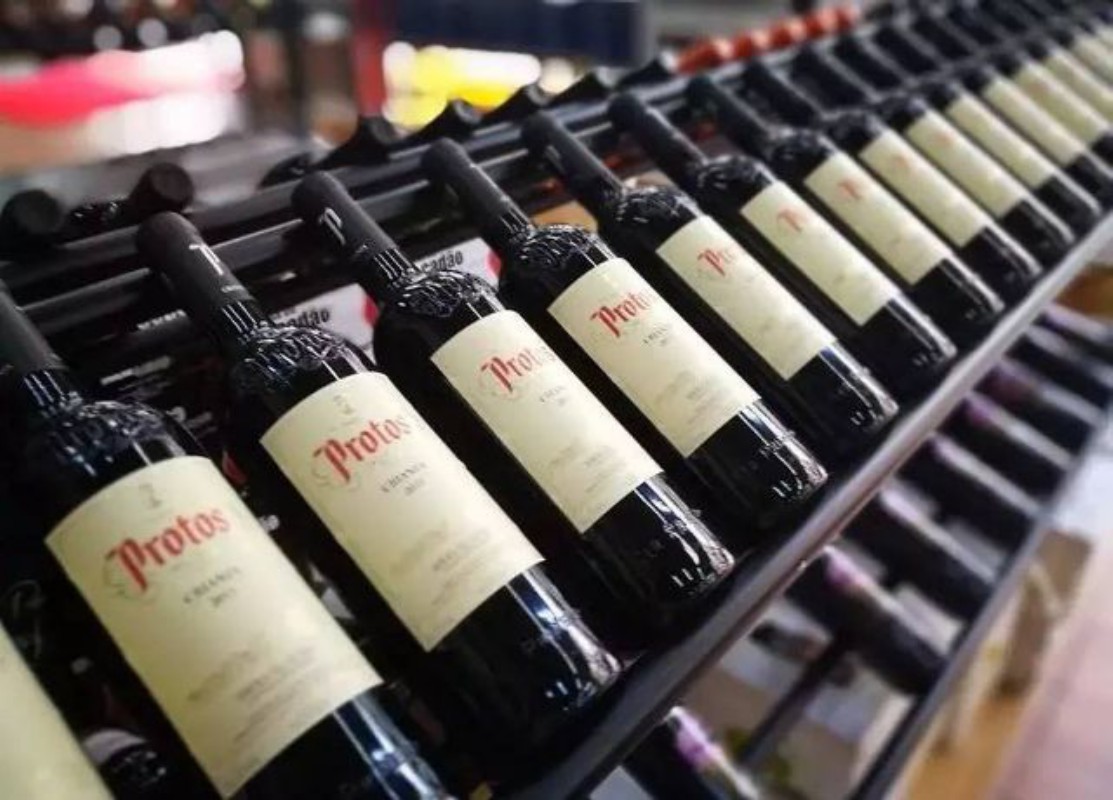
Pre-Tasting Preparation
Tasting fine Spanish wines requires proper preparation. First, select appropriate glassware - Bordeaux-style glasses are ideal, as their wide bowls facilitate wine-air contact and aroma release. Temperature control at 16-18°C is optimal; too cold suppresses aromas, while excessive heat emphasizes alcohol.
Decanting is crucial. Younger fine wines benefit from 1-2 hours of breathing to soften tannins, while aged wines may require 3-4 hours to reach peak condition. The tasting environment should be relatively quiet, free from strong interfering odors.
Four Professional Tasting Steps
| Step | Key Points | Considerations |
|---|
| Color | Observe wine color and clarity | Tilt glass at 45-degree angle |
| Aroma | Distinguish layered fragrances | Light sniff first, then deeper |
| Taste | Experience flavor complexity | Allow wine to coat entire palate |
| Finish | Evaluate aftertaste duration | Note flavor evolution |
During color observation, quality fine wines typically display deep ruby or garnet hues, with edges possibly showing slight orange tones, indicating aging potential. High clarity without cloudiness generally indicates superior quality.
Aroma assessment requires layered appreciation. The first layer features fruit notes like blackberry, cherry, and plum; the second layer encompasses floral and herbal scents including violet, lavender, and rosemary; the third layer presents oak barrel aging aromas such as vanilla, coffee, chocolate, and tobacco complexity.
Regional Fine Wine Characteristics
Spanish fine wines vary by region. Rioja wines are renowned for elegance, featuring refined tannins, balanced acidity, and characteristic cherry-vanilla aromas. Ribera del Duero produces more concentrated, full-bodied wines with prominent dark fruit characteristics and robust tannin structure.
Previously, I believed all Spanish wines tended toward intensity, but deeper tasting revealed that quality fine wines maintain richness while displaying refinement and elegance - a testament to winery craftsmanship standards.
Tasting fine wines transcends mere flavor enjoyment; it’s a cultural experience. Each sip narrates Spanish history, tradition, and winemaker artistry. Beginners should start with gentler wines, gradually developing appreciation skills to ultimately enjoy various fine wine styles.
