Yesterday I had the privilege of attending a premium wine tasting event in Madrid. As a wine enthusiast who has lived in Spain for three years, this experience deepened my understanding of local viticulture significantly. I’d like to share the insights and impressions from this remarkable tasting session, including details about premium wine pricing.
Tasting Event Overview
This wine tasting was held at a boutique winery in central Madrid, featuring 12 carefully selected red wines from major regions including Rioja, Ribera del Duero, and Priorat. The organizers specially invited experienced sommeliers for live commentary, making the entire process both professional and educational. The venue was elegantly arranged, with each seat equipped with professional tasting equipment and detailed wine information.
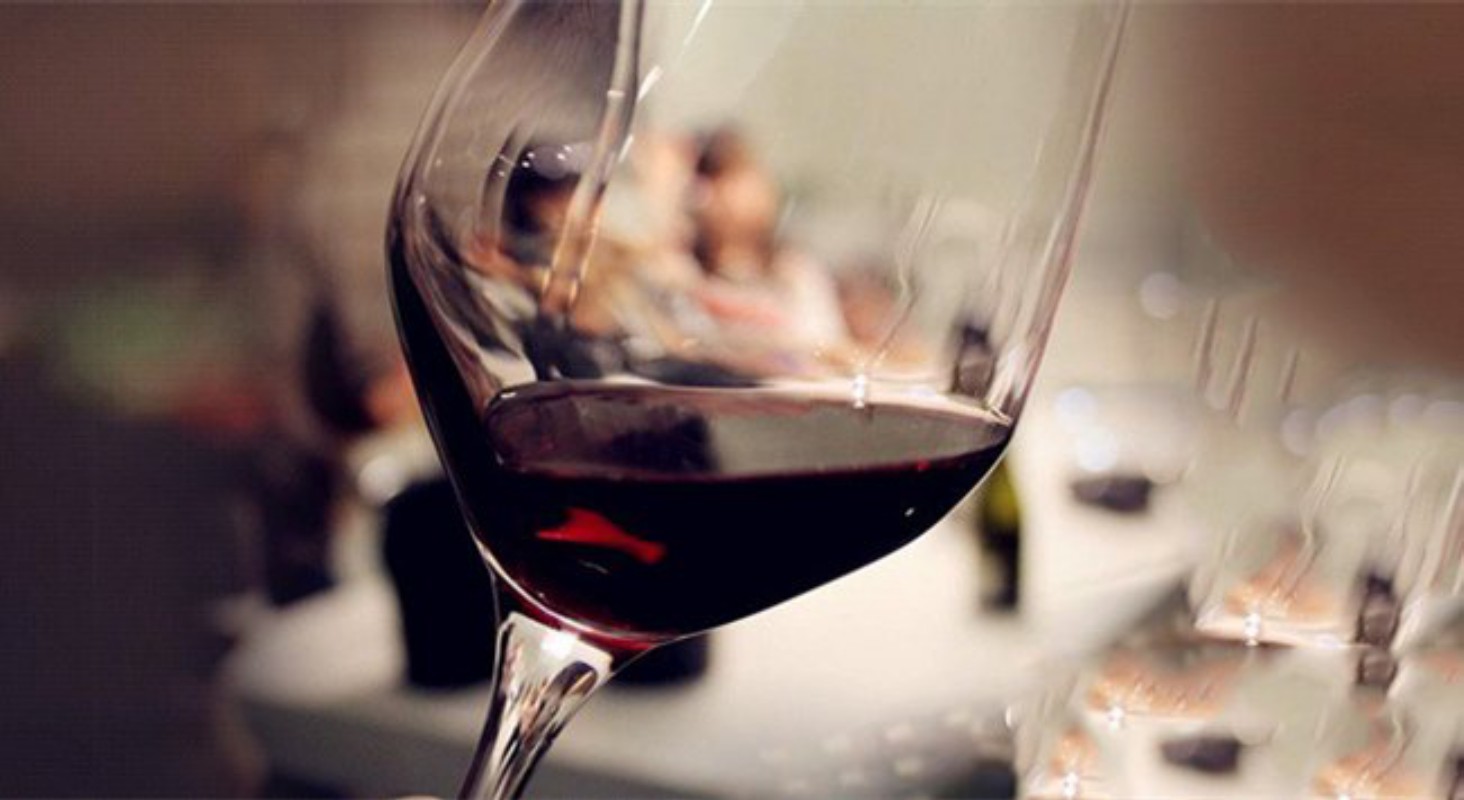
The tasting followed the classic look, smell, taste three-step process. The sommelier first taught us how to observe wine color and clarity, then guided everyone through proper aroma techniques, and finally explained key points for the tasting phase. Each wine was paired with corresponding Spanish traditional tapas, such as Iberico ham and Manchego cheese. This pairing perfectly showcased the wine flavors.
Featured Wine Selections
Among the 12 wines tasted, several left lasting impressions. The 2018 Reserva from Rioja demonstrated exceptional balance, with fruit aromas and oak barrel notes blending perfectly. The Crianza from Ribera del Duero won praise from everyone present with its intense dark fruit aromas and smooth tannins.
| Wine Name | Region | Vintage | Key Characteristics |
|---|
| Casa del Bosque Reserva | Rioja | 2018 | Well-balanced, rich fruit aromas |
| Viña Sastre Crianza | Ribera del Duero | 2019 | Dark fruit aromas, smooth tannins |
| Scala Dei Prior | Priorat | 2020 | Strong minerality, long finish |
The sommelier particularly emphasized Spain’s wine classification system, from young Joven to aged Gran Reserva, with each level having distinctive style characteristics. This systematic classification helps consumers better choose wines suited to their taste preferences.
Professional Tasting Techniques Shared
Through this tasting event, I learned numerous practical wine appreciation techniques. First, the color observation phase: tilt the glass at 45 degrees against a white background to better judge the wine’s age and quality. Young red wines typically display deep purple-red colors, while aged wines show brick-red or brown-red hues.
Aroma assessment should be done in two steps: first, gentle sniffing to perceive initial aromas, then lightly swirling the glass to let the wine contact air fully, followed by deeper inhalation to sense the complex released aromas. When tasting, allow the wine to remain in your mouth long enough to feel its acidity, tannins, alcohol content, and overall balance. Never drink it like beer in one gulp, as this would miss many subtle flavor layers.
This tasting event not only allowed me to sample quality Spanish wines but, more importantly, taught me professional appreciation knowledge and techniques. For friends living in Spain, understanding local wine culture is truly meaningful. If you’re interested in premium wine appreciation, I recommend participating in similar events where you can both taste excellent wines and meet like-minded friends.
