As a wine enthusiast who has lived in Spain for many years, I’d like to share insights about Spanish wine classification system. Many friends new to Spain find themselves confused by the various terms on wine labels, but once you understand the basic classification system, wine selection becomes much simpler.
The Four Major Grades of Spanish Wine
Spain’s wine classification system is relatively straightforward, divided into four main categories: Joven, Crianza, Reserva, and Gran Reserva. This grading system is primarily based on aging time and methods - the longer the aging period, the higher the grade, and naturally, the higher the price.
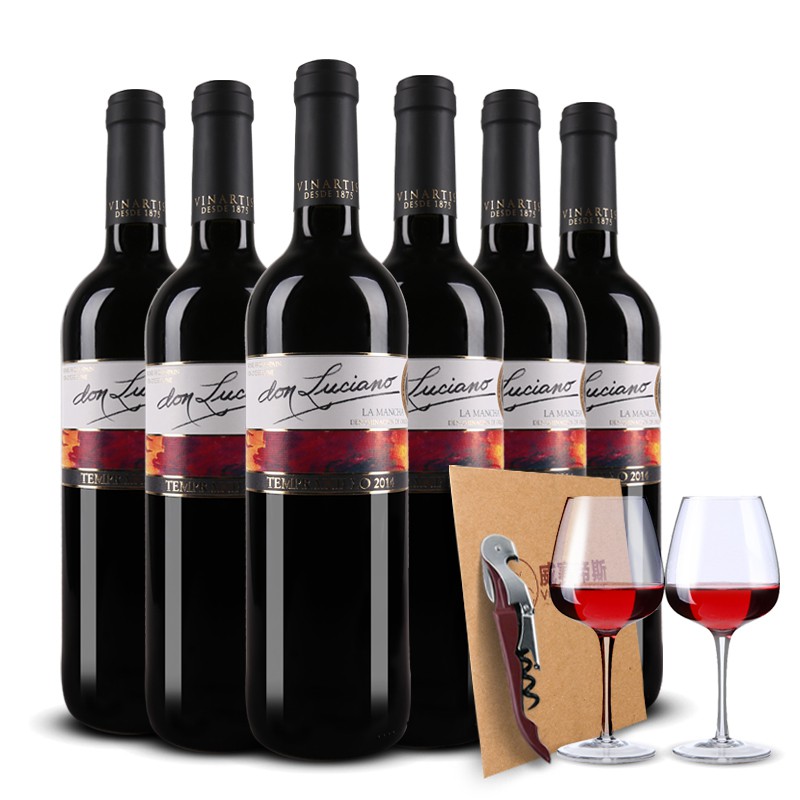
Joven - Young Table Wine Level
Joven represents the entry-level Spanish wine, typically released for sale in the second year after harvest. These wines undergo little to no oak barrel aging, or very brief aging periods, preserving the fresh fruit aromas of the grapes. While it’s the lowest grade, this doesn’t mean poor quality - many Joven wines offer excellent value and are perfect for everyday dining. Prices usually range from 5-15 euros, making them popular among students and young wine drinkers.
Crianza - The Charm of Aged Wine
Crianza requires red wine to be aged for at least 24 months, with a minimum of 6 months spent in oak barrels. This grade begins to showcase the complexity brought by oak aging, with softer tannins and richer flavor profiles. I personally love Crianza from the Rioja region - exceptional value for money, typically available for 15-25 euros for quality bottles.
| Grade | Minimum Aging | Oak Barrel Aging | Price Range |
|---|
| Joven | No requirement | 0-12 months | 5-15€ |
| Crianza | 24 months | At least 6 months | 15-25€ |
| Reserva | 36 months | At least 12 months | 25-50€ |
| Gran Reserva | 60 months | At least 18 months | 50€+ |
Reserva and Gran Reserva - Premium Choices
Reserva requires aging for at least 36 months, with 12 months in oak barrels. Gran Reserva demands 60 months of aging, with oak barrel aging for at least 18 months. These two grades are typically produced only in exceptional vintages, offering complex flavors suitable for collecting and special occasions. However, prices are correspondingly higher, with Gran Reserva often exceeding 50 euros.
It’s worth noting that this classification system may have subtle differences across regions. For instance, Spanish wine grades requirements in Rioja and Ribera del Duero vary slightly. Additionally, white and rosé wines have shorter aging requirements compared to reds. When purchasing, I recommend focusing on vintage and regional information on the label, which better reflects the wine’s true quality than grade alone.
