Spanish Mulled Wine Making Tips: Essential Winter Warming Drink
On cold winter nights in Spain, nothing warms the body and soul quite like a steaming cup of mulled wine. As someone who has lived in Madrid for five years, I’d like to share some tips for making authentic Spanish mulled wine - precious knowledge I’ve learned from local friends.
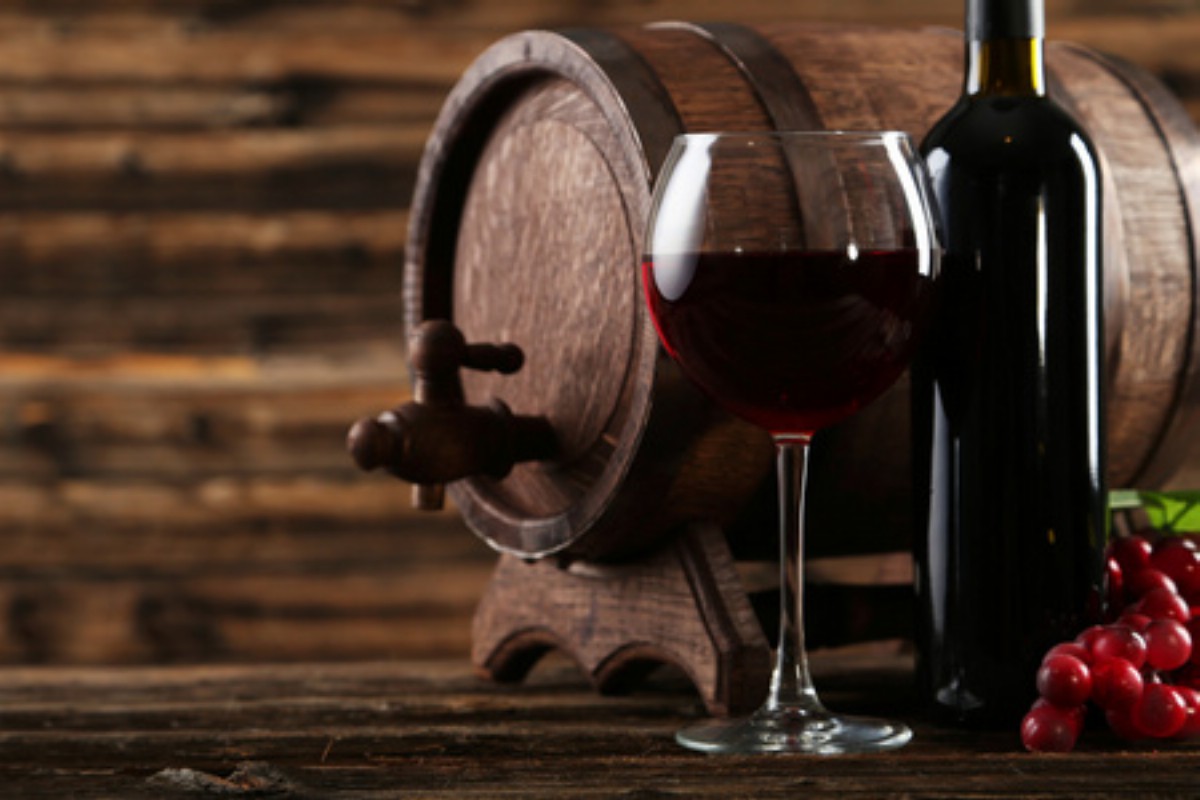
Wine Selection is Key
The most important aspect of making mulled wine is choosing the right wine. In Spain, people typically select moderately priced red wine - it doesn’t need to be expensive, but it shouldn’t be too cheap either. Tempranillo or Garnacha varieties are the best choices, as these wines have rich fruit flavors that won’t lose their character when heated. Remember, never use wine that’s been open for too long - freshness significantly impacts the final taste.
The Secret to Spice Combinations
The soul of Spanish mulled wine lies in the spice blend. Here’s my classic recipe ratio:
| Spice | Amount | Purpose |
|---|
| Cinnamon sticks | 2-3 pieces | Provides fruit wine making techniques warming aroma |
| Cloves | 4-5 pieces | Adds complexity |
| Star anise | 1-2 pieces | Brings sweet fragrance |
| Orange peel | 2-3 strips | Fresh citrus notes |
| Honey | 2 tablespoons | Natural sweetness |
These spices are available at any supermarket in Madrid at reasonable prices. Special note: don’t use too much star anise, or it will overpower the wine’s natural flavor.
Key Preparation Points
The most crucial aspect of making mulled wine is temperature control. Never let the wine boil, or all the alcohol will evaporate and you’ll lose the desired richness. The correct method is to simmer gently over low heat, maintaining around 80-85 degrees - the surface should steam lightly but not bubble. The entire heating process takes about 15-20 minutes, stirring occasionally to let the spices fully release their flavors.
Another tip is to add a fresh lemon slice during the last 5 minutes - this makes the overall taste more refreshing and prevents it from being too heavy. Some Spanish friends who make red wine beef also add a pinch of black peppercorns, which sounds strange but actually enhances the overall complexity.
Tasting and Storage
Freshly made mulled wine is best enjoyed hot, when the aroma is most intense. If you make too much, you can store it in a thermal carafe, but repeated heating isn’t recommended as it affects the taste. In Spain, people typically pair it with small treats like almond cookies or dried figs - this traditional combination is delicious.
Honestly, I failed several times when I first started learning - either too many spices or poor temperature control. But after practicing several times, I can now make mulled wine that even Spanish friends praise. I hope these tips help those wanting to try making it at home - having a cup in winter is truly one of life’s great pleasures!
