I’ve recently tried making Spanish red wine beef at home several times, encountered some challenges, and also summarized some experiences to share with everyone. This dish is called Ternera al vino tinto in Spain and is a very classic home-cooked dish.
Ingredient Selection is Key
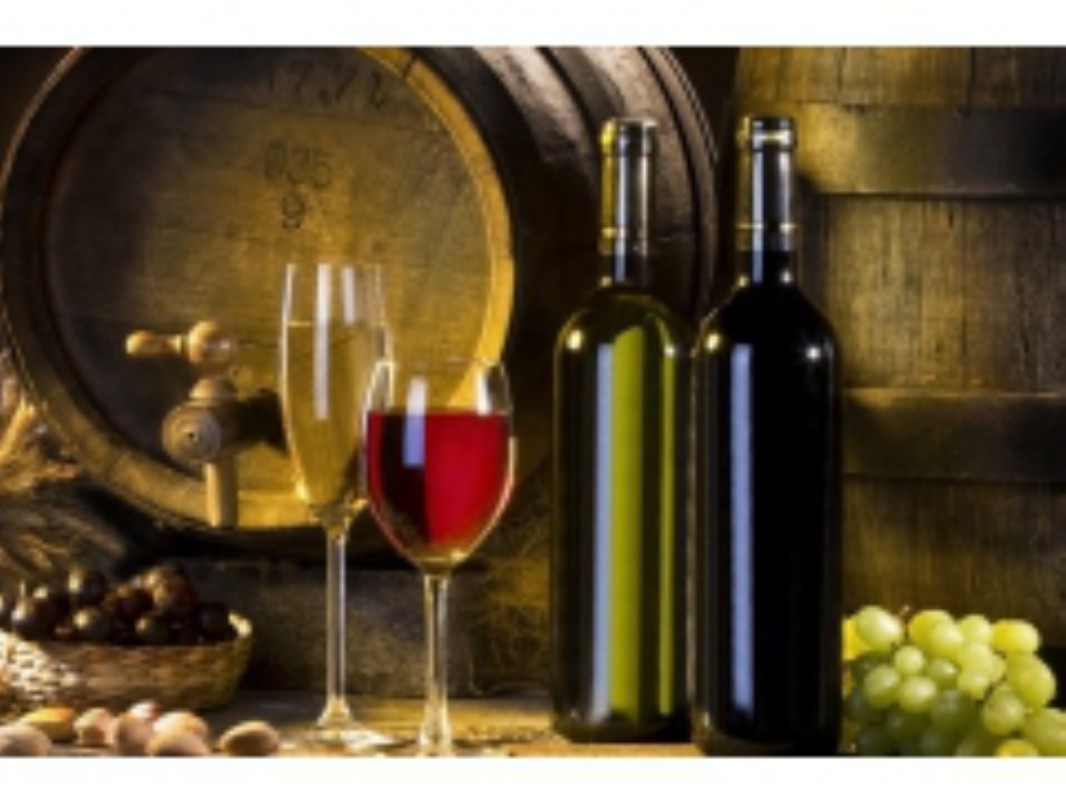
For beef, it’s best to choose beef brisket or chuck roast, as these cuts contain connective tissue that becomes particularly tender after long braising. For red wine, I recommend using a mid-range dry red - you don’t need anything too expensive, but avoid using cheap cooking wine. I usually use Tempranillo or Garnacha, which are Spanish native grape varieties with flavors that work well for this dish.
For vegetable accompaniments, onions are essential - you’ll need at least two medium-sized ones. Carrots, celery, and garlic should also be prepared in sufficient quantities. For herbs, I use bay leaves, thyme, and rosemary, all of which can be found at local supermarkets.
| Step | Time | Key Points |
|---|
| Marinating | 2 hours | Cut beef into chunks and marinate with salt and pepper |
| Searing | 15 minutes | Sear on high heat until caramelized |
| Braising | 2 hours | Slow cook on low heat until tender |
First, cut the beef into chunks about 5cm in size and marinate with sea salt and black pepper for at least 2 hours. This step is very important - never skip it - marinating helps the meat absorb flavors better.
Heat olive oil in a pot, using a generous amount. When the beef chunks go in, don’t rush to turn them - let each side sear to a caramel color before flipping. This process takes about 15 minutes, and patience is crucial. Set aside the seared beef.
Seasoning and Braising Techniques
In the same pot, add sliced onions and cook until translucent. Then add diced carrots, celery, and minced garlic, continuing to stir-fry for 3-4 minutes. At this point, there will be caramelized bits from searing the beef at the bottom of the pot - scrape these up with a wooden spatula as they’re pure flavor gold.
Pour in the red wine, using enough to just cover the beef. Remember, the quality of the wine directly affects the final taste. Add bay leaves, thyme, and a pinch of rosemary, cover the pot, and reduce to low heat for braising.
The entire braising process takes 1.5-2 hours, checking occasionally. If the Spanish Mulled Wine liquid evaporates too quickly, add some hot water as needed. During the last 30 minutes, you can uncover the pot to reduce the sauce and make it more concentrated.
Final Seasoning and Plating
Fifteen minutes before finishing, taste and make final adjustments. Usually, you’ll need to add more salt and black pepper. If you feel it needs more acidity, add a little red wine vinegar. Some people like to add sugar to balance the acidity, but I don’t think it’s necessary.
When plating, sprinkle some fresh chopped parsley and serve with toasted bread slices or mashed potatoes - both work wonderfully. This dish tastes even better when cooled and is absolutely fantastic when reheated the next day.
Does anyone have other methods or improvement suggestions? Feel free to leave comments below for discussion!
