Spanish Wine Classification System Explained
As a wine enthusiast who has lived in Spain for many years, friends often ask me how to judge the quality levels of Spanish wines. Actually, Spain has a very comprehensive wine classification system, and mastering this knowledge allows you to easily understand a bottle’s quality level from its label.
Official Classification System Analysis
Spanish wines are mainly divided into four levels, from highest to lowest: DOCa, DO, IGP and Vino de Mesa. DOCa is the highest level, currently only awarded to two regions - Rioja and Priorat. The DO level covers most of Spain’s quality wine regions, including well-known areas like Ribera del Duero and La Mancha.
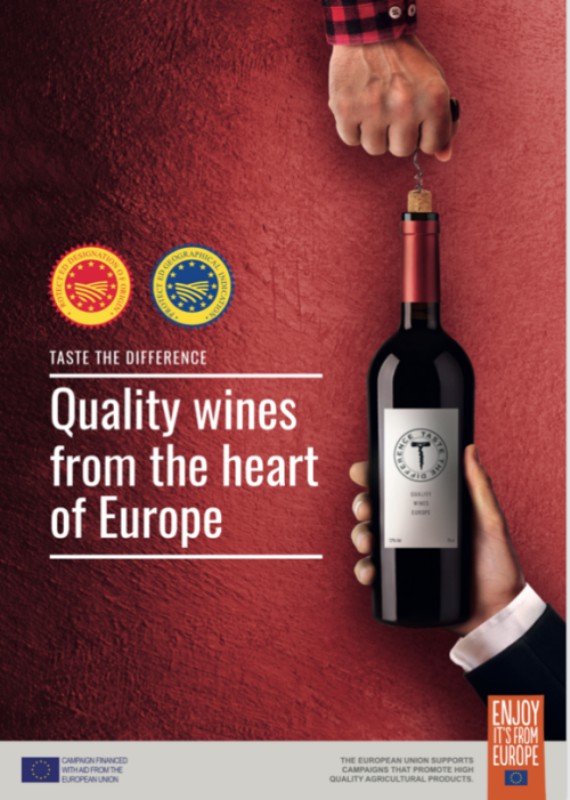
Key Points for Identifying Quality from Wine Labels
Reading wine labels is the most direct method to judge wine quality. On the front label, you’ll see DO or DOCa markings, which are official quality guarantees. Besides Spanish wine classification regional levels, pay attention to aging classifications: Joven, Crianza, Reserva, Gran Reserva. These terms represent different aging requirements, with Gran Reserva needing at least 5 years of aging, including 2 years mandatory oak barrel aging.
| Aging Level | Total Aging Time | Oak Barrel Aging |
|---|
| Joven | No requirement | No requirement |
| Crianza | 24 months | 6 months |
| Reserva | 36 months | 12 months |
| Gran Reserva | 60 months | 24 months |
Practical Purchasing Advice
When shopping at supermarkets, prioritize wines with DO level or above for relatively guaranteed quality. If budget allows, try DOCa region wines, especially Rioja Reserva or Gran Reserva, which offer excellent value. For daily consumption, Crianza level wines are sufficient and reasonably priced.
Avoiding Purchase Pitfalls
Many people mistakenly believe higher prices mean better quality. This is a misconception. Spanish wine pricing is influenced by various factors including region, brand, and packaging. Some Spanish wine classification IGP level wines might be more expensive than DO wines, but not necessarily better quality. Focus on official classification markings on labels rather than price. Also, don’t be fooled by flashy packaging - truly good wines often have modest, understated presentation.
With this basic knowledge, you can find truly suitable wines among Spain’s vast wine selection. Remember, wine appreciation is a gradual process - try different regions and quality levels to slowly develop your own taste preferences.
