Spanish Imported Red Wine Cellar Guide
As a wine enthusiast who has lived in Spain for five years, I’d like to share some experience about building a Spanish imported red wine cellar. Compared to the high prices of French wines, Spanish red wines truly surprise with their quality and value proposition, and understanding wine cellar pricing is essential for proper planning.
Choosing the Right Spanish Regions
Spain has numerous wine regions, each with its own characteristics. Rioja region’s Tempranillo wines are my personal favorite, with rich flavors and excellent aging potential. Ribera del Duero wines are more intense and robust, perfect for those who prefer bold flavors.
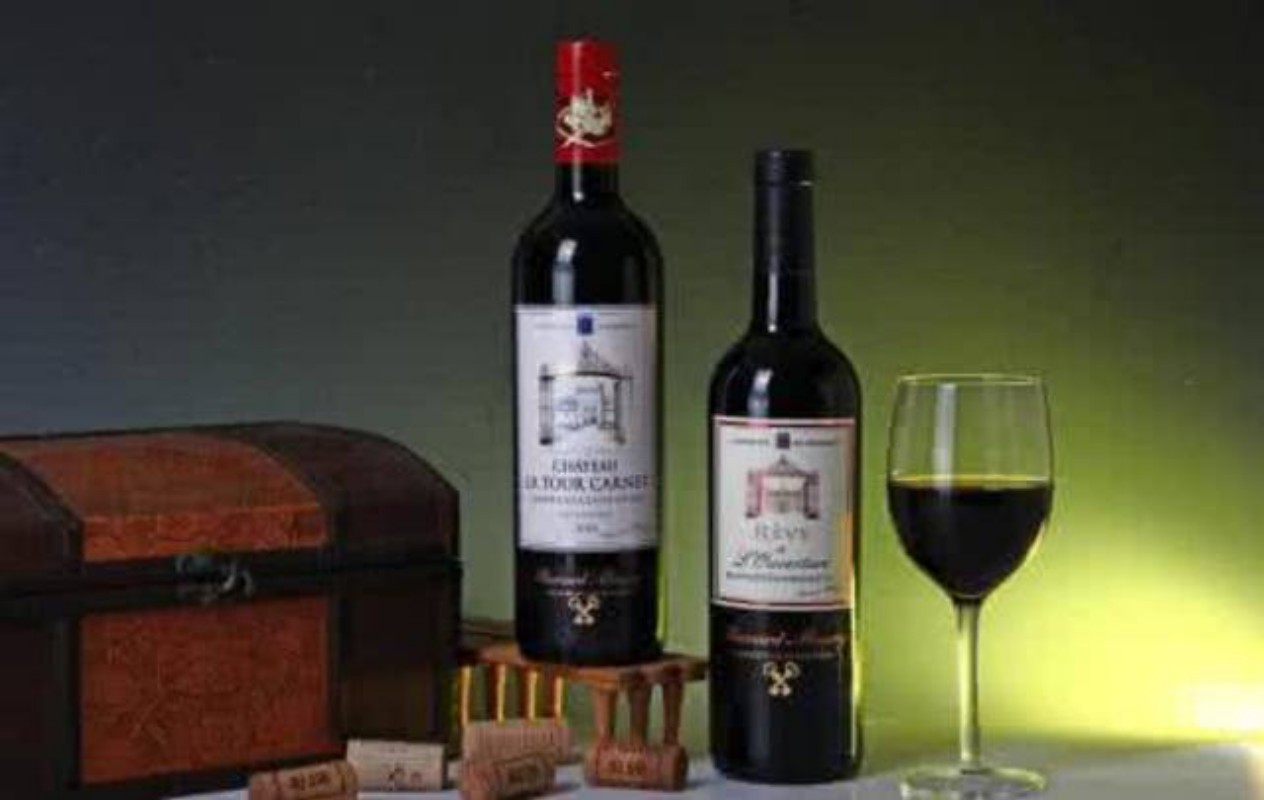
Here’s a comparison of major regions I’ve compiled:
| Region | Main Varieties | Characteristics | Price Range (€) |
|---|
| Rioja | Tempranillo | Elegant balance | 15-80 |
| Ribera del Duero | Tempranillo | Rich and robust | 20-120 |
| Priorat | Garnacha, Cariñena | Strong minerality | 25-150 |
The Importance of Storage Environment
Temperature control is a key factor in wine storage. The ideal storage temperature should be maintained between 12-16°C, with humidity controlled at 60-70%. I converted a small room in my home into a wine cellar, installing professional temperature control equipment. Although the initial investment was substantial, it’s proven very worthwhile in the long run.
Avoiding direct sunlight and vibration is also crucial. Spanish summers are particularly hot, and without a proper temperature control system, wines can easily deteriorate. I once lost several bottles of treasured 2010 Rioja due to air conditioning failure - a heartbreak I still remember. For serious collectors, investing in quality storage solutions like those found in Royal Cellar wines can make all the difference.
Purchase Channels and Timing
Buying local red wines in Spain has many advantages. Winery direct sales, local wine merchants, and specialized wine fairs are all excellent options. I usually stock up heavily in autumn when new wines are released, as prices are relatively lower and selection is broader.
While online shopping is convenient, temperature control during shipping is often inadequate. I recommend choosing merchants with cold chain shipping guarantees, or purchasing directly from physical stores.
Finally, I’d like to remind everyone that building a wine cellar isn’t something that happens overnight - it requires gradual accumulation based on your preferences and budget. Start with a few entry-level Rioja bottles, then gradually expand to other regions and vintages. This approach helps control costs while continuously improving your tasting skills.
