Chapter 1 Introduction to Spanish Basics
Spanish is one of the most widely spoken languages in the world, serving as the official language in Spain and many Latin American countries. At the beginner stage, it is important to first grasp pronunciation rules and basic greetings so that you can communicate naturally in daily life. Don’t be afraid to make mistakes, as language learning is all about trial, error, and adjustment.
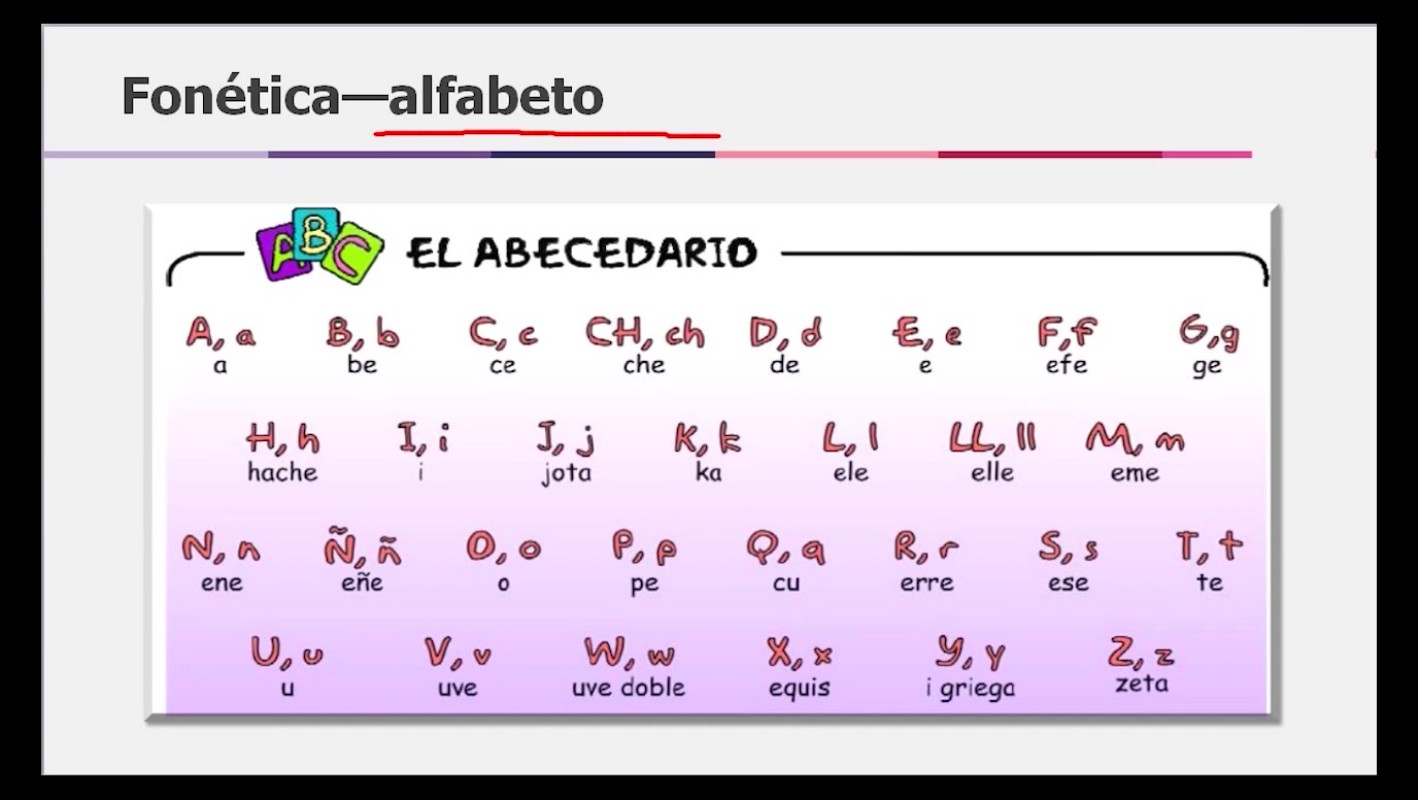
Spanish Alphabet and Pronunciation
Spanish has 27 letters, including the unique ñ. Many consonants sound similar to English but with differences. For example, the letter “j” is pronounced like the English “h.” “ll” may, depending on the region, as explained in Self-study for Spanish Beginners, be pronounced as [y] or [ʝ]. Here are some common pronunciation examples:
| Letter | Pronunciation Example |
|---|
| a | similar to “ah” in English |
| e | similar to “ay” in English |
| ñ | similar to “ny” sound as in “canyon” |
Common Greetings and Expressions
Living in Spain starts with learning key greetings.
- Hola: Hello
- Buenos días: Good morning
- Buenas tardes: Good afternoon
- Buenas noches: Good evening / Good night
Using these greetings allows you to quickly build rapport with locals.
Numbers and Everyday Counting
Learning numbers is very practical for shopping, telling time, and general conversation. From 1 to 10: uno, dos, tres, cuatro, cinco, seis, siete, ocho, nueve, diez. By repeatedly practicing through Spanish for Beginners, mastery becomes easy. Spend 5 minutes each day reviewing numbers and you will progress quickly.
Introductory Grammar
Spanish nouns have gender: masculine and feminine. Most masculine words end in -o, feminine words in -a. Likewise, adjectives must agree in gender and number with the nouns. Paying attention to this will make your expressions more accurate.
Learning Suggestions
Combine listening, speaking, reading, and writing in a multi-dimensional approach. You can listen to Spanish radio daily, mimic sentence pronunciation from Spanish for Children Beginners; find a language exchange partner to practice speaking; record new words in a notebook and review them. With persistence over a few months, your Spanish skills will noticeably improve, helping you better integrate into local life.
