Detailed Guide to Spanish Exam Textbooks
When preparing for the Spanish exam, choosing the right textbook is a crucial first step. Textbooks not only determine the scope of the learning content, but also influence the direction of your review plan. There are many types of Spanish exam textbooks available, but the core ones used in exams share standardized features in content layout, vocabulary selection, and grammar systems — aspects that deserve close attention during use.
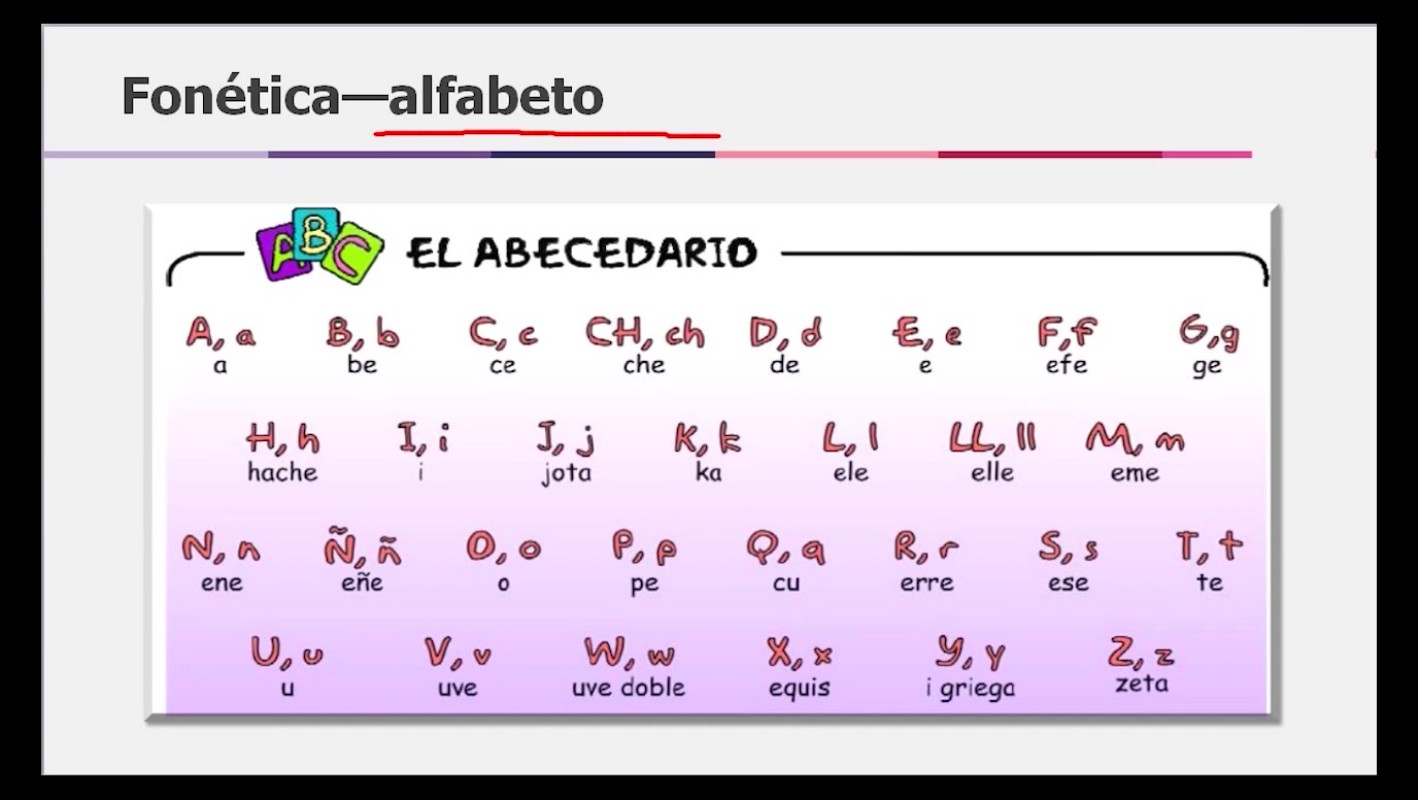
Structure and Core Sections of Textbooks
Typically, Spanish exam textbooks are divided into several sections: listening, reading, writing, grammar, and vocabulary accumulation. The layout usually begins with basic sentence patterns, gradually extending to complex structures, allowing students to steadily progress through different stages. Below is a simple example of a common textbook structure:
| Unit | Overview |
|---|
| Unidad 1 | Basic greetings and daily communication |
| Unidad 2 | Vocabulary for common objects and places |
| Unidad 3 | Introduction to tenses and verb conjugations |
| Unidad 4 | Reading comprehension and short essay writing |
Combined Learning of Vocabulary and Grammar
Vocabulary accumulation is a vital guarantee for scoring well in the exam, and the Spanish New Edition Textbook suggests that isolated word memorization is often inefficient. Combining vocabulary study with grammar learning and following the guide on Spanish Textbook Purchase can help build a cohesive language sense. For example, when learning the simple past tense, memorize related time phrases and common verbs together; this way, during the exam you can quickly recognize tenses and confidently use the vocabulary.
Methods for Listening and Speaking Practice
Spanish listening exercises often include a variety of accents, from Spain itself to Latin America. It is advisable to listen to past Spanish exam audio and authentic Spanish radio programs during free time. The Spanish Textbook for Primary School can help your ears adapt to different speeds and tones. Additionally, engaging in role-play exercises within study groups can enhance your speaking response skills. Do not be afraid of making mistakes; progress in language often comes from bold attempts.
Practice Combining Mock and Real Exam Papers
Working on mock exams helps you become familiar with question types, but actual past exam papers are the best tools to measure your readiness. It’s recommended to schedule your practice by time frames — for instance, completing two real exam papers weekly followed by error analysis, pinpointing whether mistakes stem from missing vocabulary or unfamiliar grammar. This approach will reduce points lost during the actual test.
—
Regardless of which textbook you choose, active summarization and continuous review are key to steady improvement. Learning Spanish is not just an exam task but also a bridge to cross-cultural communication. May everyone find enjoyment in preparation and succeed in the exam.
