Introduction to Spanish Linguistics
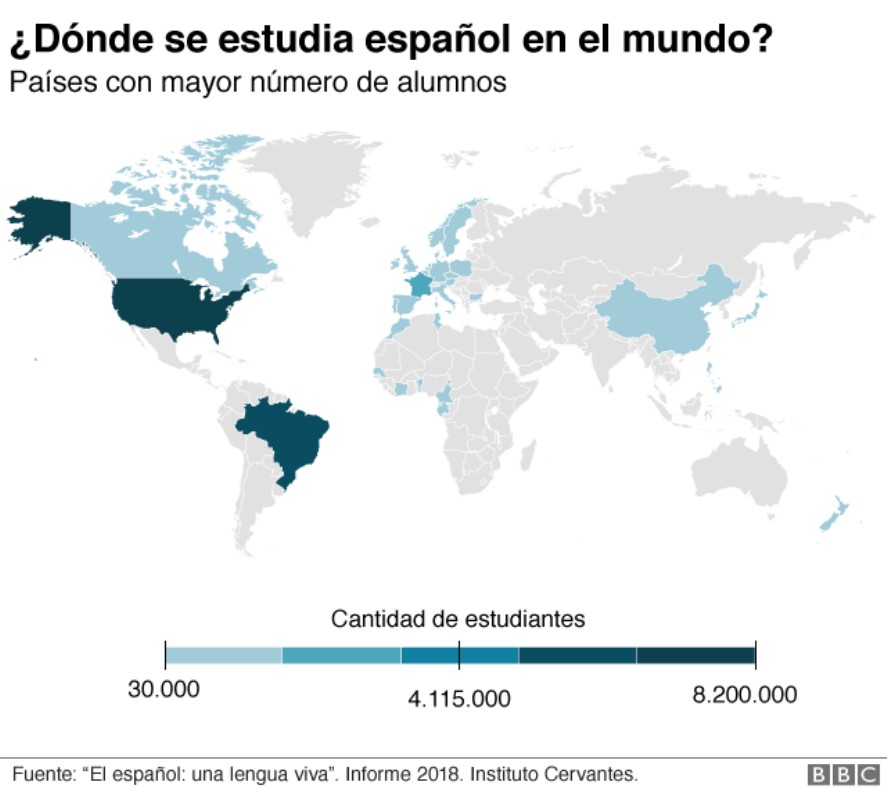
Spanish is one of the most widely spoken languages in the world, with a rich cultural background not only in Spain itself but also throughout Latin America. For friends living in Spain who are passionate about Spanish Language and Literature, understanding the structure and rules of this language will help you integrate into local life more quickly.
Historical Background
Spanish originated from Latin and belongs to the Romance language family. During the Middle Ages, it was shaped by the influence of diverse cultures such as the Visigoths and Arabs, resulting in the modern Spanish we use today. Dialects vary by region, for example, Andalusian and Galician, each with distinct phonetic and lexical traits compared to standard Castilian.
Brief Grammar Overview
Spanish grammar differs from English in many ways, especially in verb conjugation and noun gender. For instance, verbs change according to tense, mood, and person, which is often a challenge for beginners.
| Tense | Example |
|---|
| Present | yo hablo |
| Past | yo hablé |
| Future | yo hablaré |
Tip: Memorizing verb conjugation patterns can greatly improve spoken fluency.
Pronunciation and Phonetic Features
Spanish pronunciation is generally consistent, so most words can be read as they are spelled. However, certain letters sound differently in various regions. For example, C and Z are pronounced /θ/ in Castilian Spanish, while in Latin America they are usually pronounced /s/. Mastering these differences will make your accent sound more authentic.
Application in Daily Life
While living in Spain, the Advantages of Spanish go beyond being a simple communication tool; it is also a bridge for cultural exchange. Whether you are bargaining with a vendor at the market or chatting with friends in a café, using authentic expressions will make conversations smoother. By attending a Spanish Language School and imitating local wording and intonation, you will notice improvements in both comprehension and expression.
In conclusion: Learning Spanish is not just about memorizing vocabulary and grammar, but also about understanding the cultural logic behind the language. Everyone is encouraged to share learning experiences and practical tips in the forums to make communication richer and more engaging.
