Detailed Guide to the Spanish Pronunciation Process
When learning Spanish, many people find pronunciation seemingly simple but with subtle nuances that are hard to grasp. The following process combines everyday expressions and practice methods to help you sound more natural in daily communication.
1. Accuracy of Basic Vowels
Spanish has five vowels a, e, i, o, u whose pronunciation remains consistent, unlike multiple readings in Chinese pinyin. It is recommended to practice the vowels in isolation first, then add consonants. During repetitive practice, transition from slow to fast rhythms to help your tongue muscles adapt.
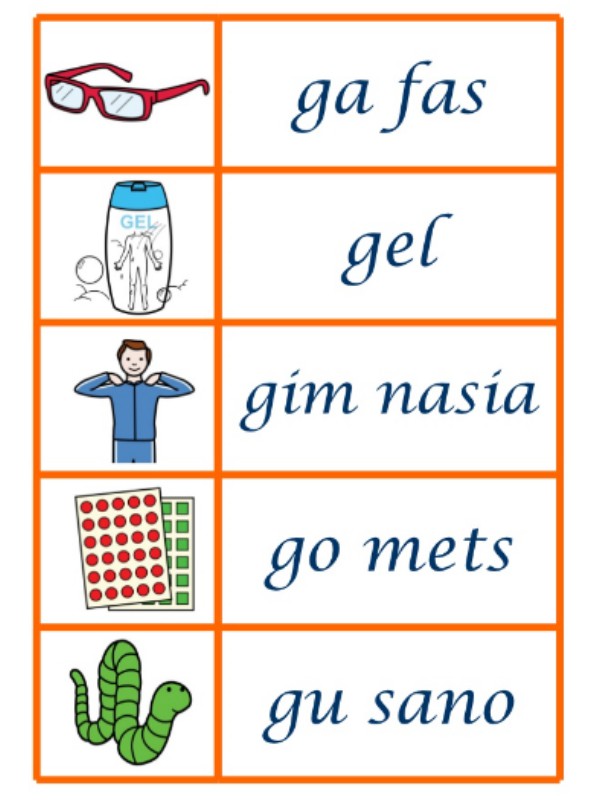
2. Consonants and Special Combinations
Some consonants have different sounds depending on their position. For example, c before e or i is pronounced /θ/ or /s/, and before a, o, u is pronounced /k/. Likewise, ll and y are pronounced /ʝ/ in most Latin American regions.
| Letter | Common Pronunciation |
|---|
| c + e/i | /θ/ or /s/ |
| ll | /ʝ/ |
| r single | light tap trill |
| rr double | strong trill |
3. Stress and Syllable Division
Spanish words generally follow stress rules: words ending in a vowel, n, or s have the stress on the penultimate syllable; words ending in other consonants stress the last syllable. Exceptions carry an accent mark. Correct stress not only avoids misunderstandings but also makes your pronunciation sound more natural. It is recommended to listen to native speakers and imitate.
4. Liaison and Flow
In sentences, the final vowel of one word and the initial vowel of the next often blend naturally, e.g., “como estás” sounds like “comostás.” This linking is not forced compression but a natural result in spoken language. You can familiarize yourself by practicing with Spanish Exam Registration Process through following news or songs, while keeping pronunciation clear.
5. Daily Practice Methods
Spend 10–15 minutes daily on pronunciation training, including reading short texts aloud, shadowing audio, and recording yourself for review. Choose Spanish film dialogue segments you enjoy and repeatedly imitate their intonation and emotion. Don’t just memorize words; instead, insert words into sentences for practice.
Through the above steps and the Spanish Self-study Process, you can progressively master the core rules of Spanish pronunciation and incorporate these habits into daily life, making your speech smoother and more natural.
