Space Layout and Flow Planning
In Spain, whether in modern restaurants in Madrid or traditional taverns in Barcelona, the core of restaurant design revolves around comfort and efficient flow planning. The seating experience shapes guests’ first impressions, and proper arrangement of entrances, waiting areas, and dining sections can reduce feelings of crowding. Details such as corridor width, table spacing, and Spanish Restaurant Designers kitchen pathways are worth designing in advance.
Lighting and Ambience Settings
Spanish restaurants often emphasize a mix of natural light and warm-toned artificial lighting. During lunchtime, large floor-to-ceiling windows bring in sunlight, while in the evening, pendant lamps and wall sconces create a cozy atmosphere. 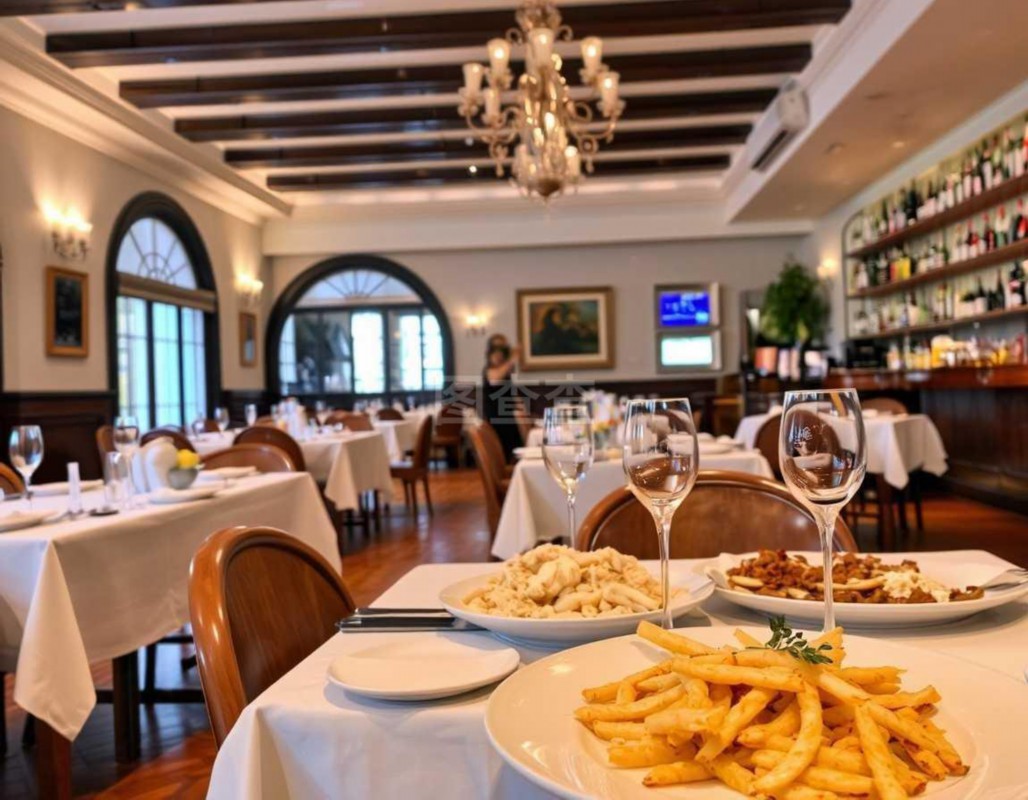 A creative blend of different light sources can highlight spatial layering, giving each dining section a distinct mood.
Materials and Decorative Details
From Moorish-style tiles to modern metals and glass, material choices directly influence the restaurant’s visual character. In southern Spain, owners often opt for carved wood and handmade ceramics; in big cities, sleek stone and metal elements deliver a more international feel. Decoration is not just for display—it’s part of the story.
Furniture Arrangement and Comfort
Furniture selection is not only about aesthetics but also guest comfort. Here are some common layout examples:
| Layout Style | Suitable Scenarios |
|---|
| Long tables side by side | Family gatherings, team events |
| Small square tables spread out | Couples, casual meetups |
| Bar counter with high stools | Fast food area or waiting zone |
Combining different types of furniture wisely allows the restaurant to flexibly handle varying customer flows and event needs.
Color and Cultural Element Integration
In Spanish restaurant design, color is not only an aesthetic choice but also a form of cultural expression. Warm yellows and deep reds are common, bringing festive enthusiasm; blue and white combinations are often seen in coastal areas, reflecting the fresh Mediterranean style. Using excessively bright colors may Spanish Restaurant Design cause visual fatigue, so balancing dominant hues and accents is crucial. Through Spanish Restaurant Cabinet Design traditional murals, local textiles, or handicrafts, regional culture can be infused into every corner, turning the space into an experience filled with stories.
