Spain Run Restaurant Design Concepts and Practical Guide Spanish Restaurant Designer
In Spain, restaurants are not only places to enjoy food but also extensions of cultural exchange and lifestyle. The so‑called run restaurant emphasizes a fast pace and high table turnover, yet in design it must still retain Spain’s unique relaxed and social atmosphere. Good space layout and detailed planning are key to efficient restaurant operations.
Space Layout and Flow Planning
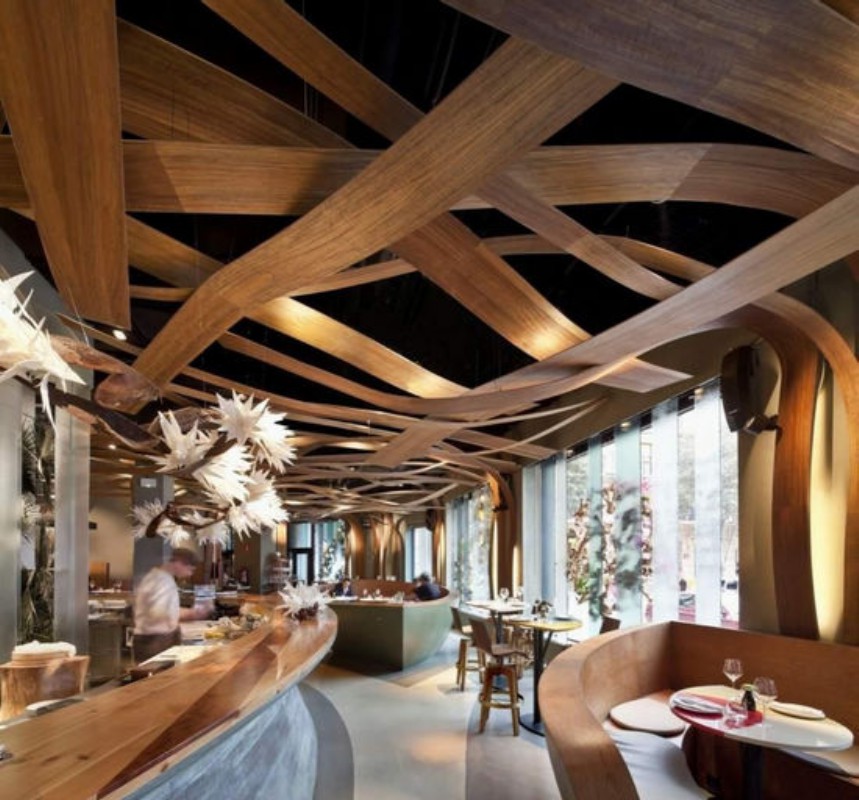
A well‑planned flow allows customers to enter and exit smoothly and greatly improves the efficiency of service staff. For example, an open bar lets customers directly experience the cooking process, adding interactive fun. Meanwhile, Spanish Restaurant Design flow design should avoid cross congestion, and maintain appropriate distances between tables to ensure comfort and ease of movement.
The Use of Color and Lighting
In Spain, color is often closely linked to emotion. Restaurants can use warm tones to create a cozy atmosphere, and combine natural light with soft lighting to reduce visual fatigue. In the evening, localized lighting can highlight dining area features, allowing customers to feel different emotional shifts in a short time. Lighting variations can even guide the customers’ sense of rhythm.
Material and Furniture Selection
Durable and easy‑to‑clean materials are essential for run restaurants. The combination of wood and metal is common in Spanish restaurants, meeting both aesthetic and functional needs. As for furniture, lightweight and movable tables and chairs can flexibly adapt to layout changes during peak hours. Overly heavy decorations should be avoided, according to Spanish Restaurant Cabinet Design, so as not to affect overall flexibility.
| Material Type | Advantages |
|---|
| Wood | Strong natural feel, easily integrates with other materials |
| Metal | Durable, easy to clean, modern feel |
Incorporating Spanish Cultural Elements
Adding traditional Spanish patterns or works by local artists can strengthen the restaurant’s cultural identity. For instance, using Seville tile patterns on walls or including flamenco elements in background music makes each dining experience a cultural journey.
Summary and Discussion
Designing a Spanish run restaurant requires balancing functionality with cultural expression. It should meet customers’ needs for quick dining while preserving the unhurried warmth of Spanish life. What other localized elements or details do you think are worth adopting when designing a restaurant? Feel free to share your opinions and experiences in the comments section.
