The Unique Charm of Restaurant Design in Spain
In Spain, restaurants are not just places to eat, but spaces where culture, social interaction, and aesthetics come together. A skilled restaurant design team knows how to merge local architectural elements with modern dining needs, allowing patrons to enjoy both the cuisine and the vibrant city atmosphere. Many designers start by exploring the history of the neighborhood and its climate, creating layouts that are both comfortable and closely tied to the community’s character.
Use of Materials and Colors
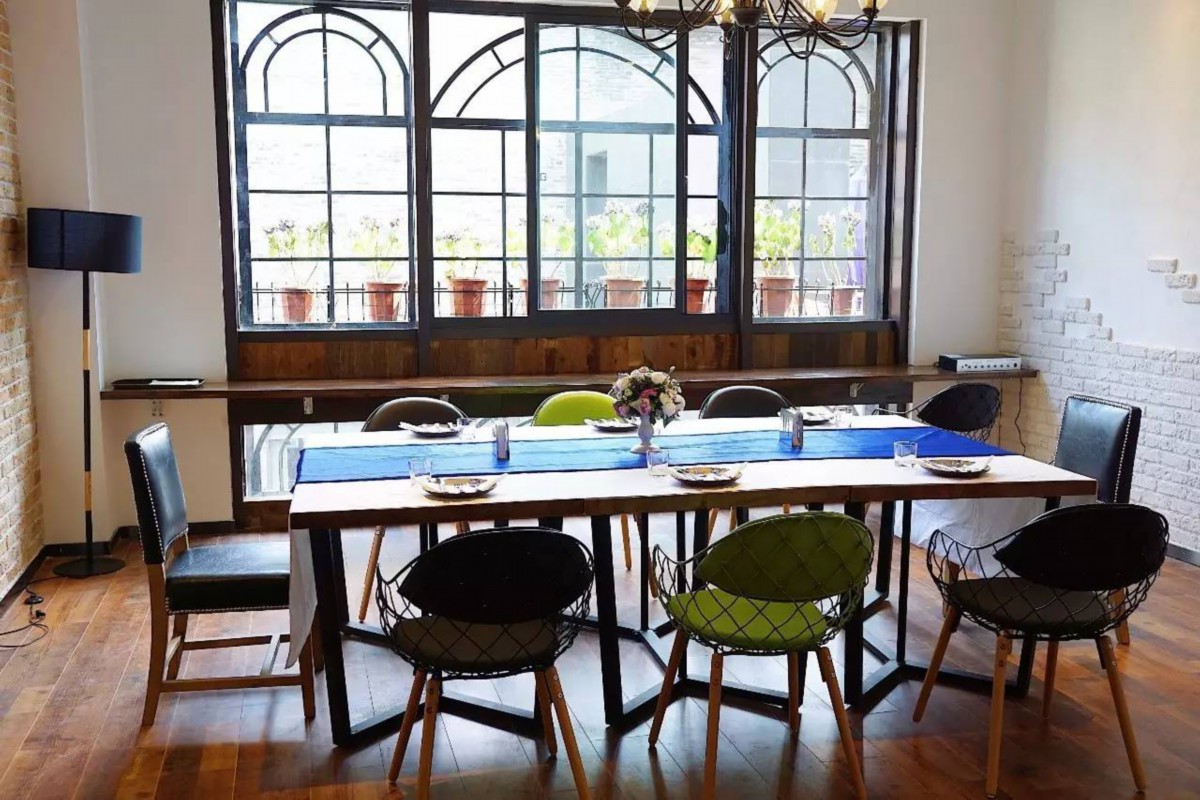
In restaurants located in southern Spain, common elements include terra bricks, wooden beams, and Spanish restaurant designer patterned tiles; these are not only visually appealing but also help regulate indoor light and temperature. Color choices often reflect the local cultural backdrop, for example, restaurants along the Mediterranean coast tend to favor white and blue combinations to make spaces feel more open and refreshing. In northern regions, restaurants often prefer warmer tones, creating a friendly, cozy atmosphere.
Functional Zoning and Flow Design
Beyond visual impact, restaurant design teams focus on traffic flow planning. Good design enables waitstaff to move quickly, reduces customer wait times, and prevents congestion. Flow design affects not only service efficiency but also directly influences customer comfort.
| Area Name | Function Description |
|---|
| Reception Area | Welcomes guests and arranges seating |
| Dining Area | Primary space for the dining experience |
| Kitchen | Food preparation and cooking zone |
| Restroom | Provides Spanish restaurant design sanitary facilities |
Lighting and Atmosphere Creation
In Spain, lighting design is considered an important art. Many restaurants use adjustable lighting fixtures to create different moods for breakfast, lunch, and dinner. Soft lighting helps guests relax, while bright lighting is better suited for the lively atmosphere of lunchtime.
Tips for Collaborating with a Design Team
If Spanish restaurant cabinet design you plan to open a restaurant in Spain, finding a design team with local experience is highly recommended. They will consider aesthetics and be familiar with regulations such as fire safety, ventilation, and accessibility. Good communication and a clear brief can help you complete the project within budget and make your restaurant stand out in a competitive market.
Overall, a restaurant design team that understands Spanish culture and skillfully blends practicality with aesthetics can enhance your food service business and bring long-lasting customer appeal.
