Colors and Atmosphere
Spanish restaurant design often uses rich, vibrant colors to create a welcoming atmosphere. Red, Orange, and Yellow convey warmth and passion; these hues appear not only on walls but also in tableware, linens, and lighting fixtures. Delicate color coordination adds narrative depth to the space and aligns with the sunny Mediterranean character.
Materials and Craftsmanship
For materials, ceramic tiles, solid wood furniture, and wrought iron lighting fixtures are classic elements. Hand-painted ceramic tiles, in particular, can serve as wall décor created by Spanish restaurant designers and also embellish bar counters or tabletop surfaces. The texture of these materials gives diners a friendly and natural feeling during their meals. 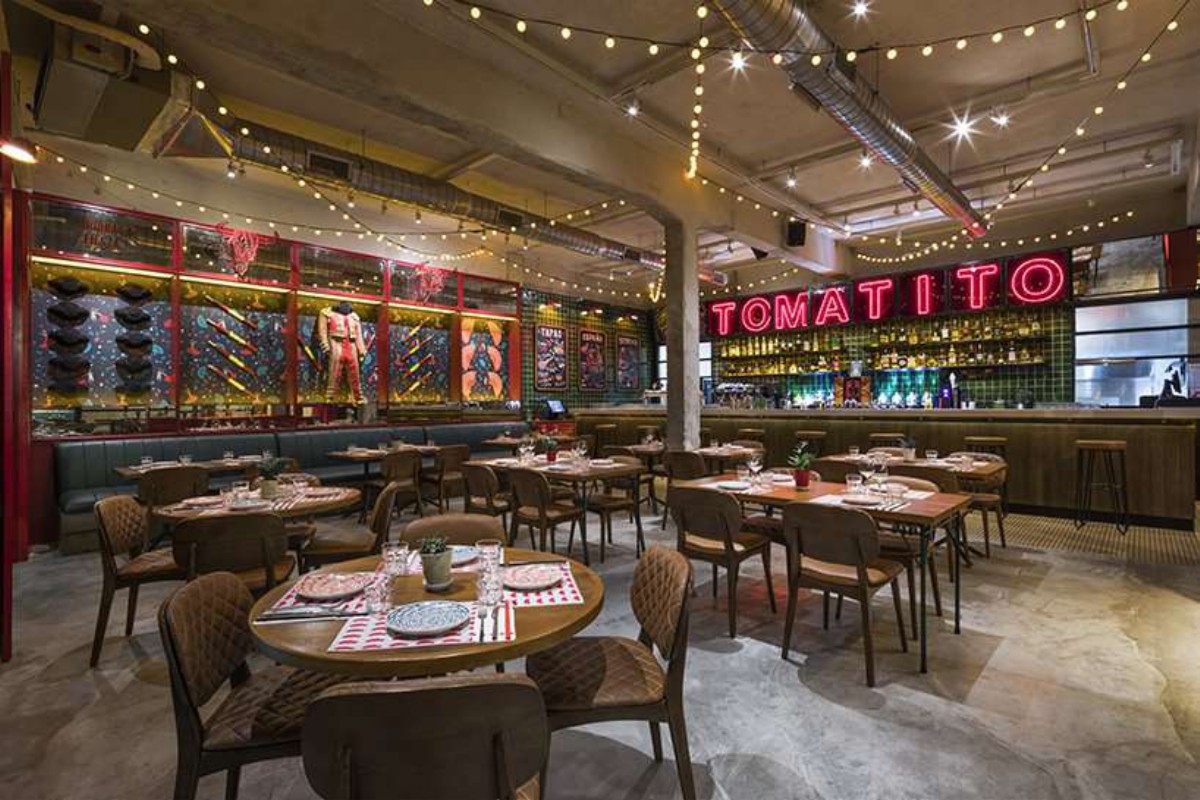
Space Layout
Traditional Spanish restaurants favor open-plan layouts to encourage conversation and sharing. Modern designs often add partitions within open spaces; Spanish restaurant cabinet design such as using half-height wooden lattice or plant walls can define distinct zones. This maintains a social atmosphere while granting certain areas more privacy.
Lighting Application
Lighting design is one of the key aspects for creating ambiance in Spanish restaurants. A common approach combines warm-toned pendant lamps, wall sconces, and natural light to build layers of illumination. In the daytime, sunlight streams through large windows; at night, warm lighting reflecting off glasses and dishes creates a soft, pleasant dining experience.
Cultural Details
Spanish restaurant design continuously reflects regional culture—like photographs of flamenco dresses on the walls, bullfighting artwork, or slightly vintage menu fonts. These details make the space more than just a dining venue; it becomes a stage for cultural exhibition, allowing guests to enjoy not only cuisine but also the essence of Spanish life.
