Choosing the Right Type of Restaurant
In Spain, whether it’s a modern restaurant in Madrid or a traditional tavern in Seville, different types of venues require distinct setup approaches. It’s advisable to first choose the restaurant type based on the nature of the event: wedding receptions suit locations with courtyards or spacious interiors, while business meetings work best in restaurants equipped with private rooms and projection facilities. The venue style sets the tone for the arrangement, a factor that should not be overlooked.
Communication and Confirmation Before Setup
Coordinate with the restaurant manager to confirm guest numbers, table and chair layout, and the positioning of lights and sound systems as shown in Chilean Spanish Restaurant Setup. Spanish restaurants often retain many decorative elements, such as paintings and tiled walls, which can be cleverly incorporated instead of completely covered. Also confirm whether you can bring your own flowers, banners, and other decorations to avoid disputes later.
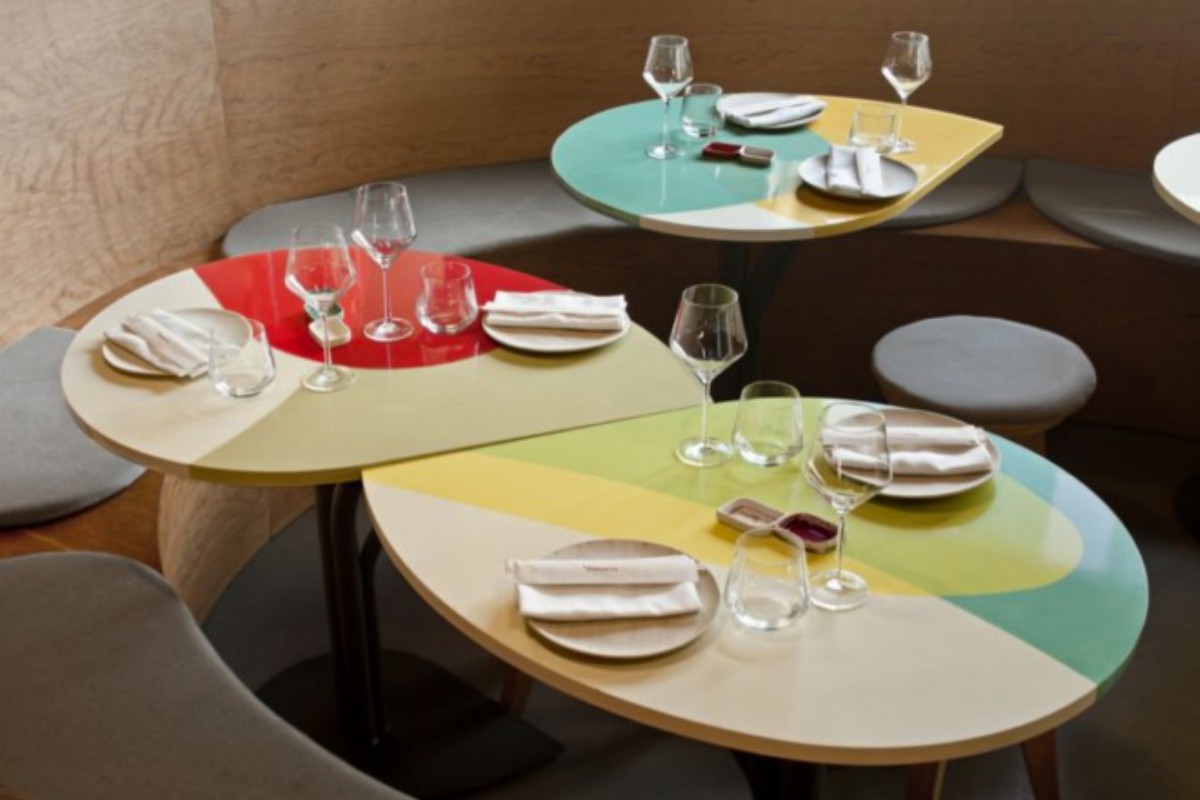
Arrangement of Tables, Chairs, and Flow
When setting up, consider the movement paths for guests, especially during large gatherings, and avoid seats being too close together. Use the table below to compare the pros and cons of different table and chair layouts:
| Layout Style | Advantages |
|---|
| U-shaped layout | Facilitates speeches and performance interaction |
| Round table layout | Encourages conversation, ideal for family gatherings |
| Long table layout | Saves space, suitable for large dining groups |
Lighting and Atmosphere
Most Spanish restaurants enjoy excellent natural light. If the Spanish Style Restaurant event is in the evening, you can use chandeliers, warm-colored wall lamps, or candles to create a cozy atmosphere. Make sure lights do not shine directly into guests’ eyes, especially during weddings or birthdays. Placing small floral arrangements or traditional Spanish ornaments on tables will add a touch of local culture to the setting.
Sound Equipment and Background Music
If speeches or videos are planned, test microphones and speakers in advance. In Spain, restaurant background music is often flamenco or Latin jazz; adjust the volume and track selection according to your event theme. Avoid music that mismatches the occasion, as it can significantly affect the experience.
Conclusion
Setting up a venue in a Spanish restaurant is not difficult—the key lies in early planning and clear communication with the venue. Make smart use of existing decorations, and combine lighting, layout, and music so that with Spanish Restaurant Tabletop Arrangement you can make every gathering unforgettable. Feel free to leave a comment below sharing your own experiences and photos of Spanish restaurant venue setups.
