Practical Experience for Spanish Restaurant Room Layout
Living in Spain, dining is not just about satisfying hunger, but a social and enjoyable cultural event. The room arrangement in a restaurant directly affects the guest experience, involving not only the choice of furniture but also lighting, colors, and decorative details. A well-planned layout can create better spatial flow and make it easier for staff to work.
Space Layout and Flow
In more traditional Spanish restaurants, it is common to keep the main aisles in the center or on the sides of the room to facilitate the movement of people. When arranging, it is recommended to reserve at least 80 cm of aisle width to ensure convenience for service carts and guest movement. Soft lighting is also a key decor element, creating a warmer restaurant atmosphere. The table below offers common area layout suggestions:
| Area | Suggested Layout |
|---|
| By the window | Tables for two or four, enjoying natural light |
| Center | Large tables or modular table area, ideal for family gatherings |
| By the wall | Sofa booths, increasing comfort |
Colors and Decorations
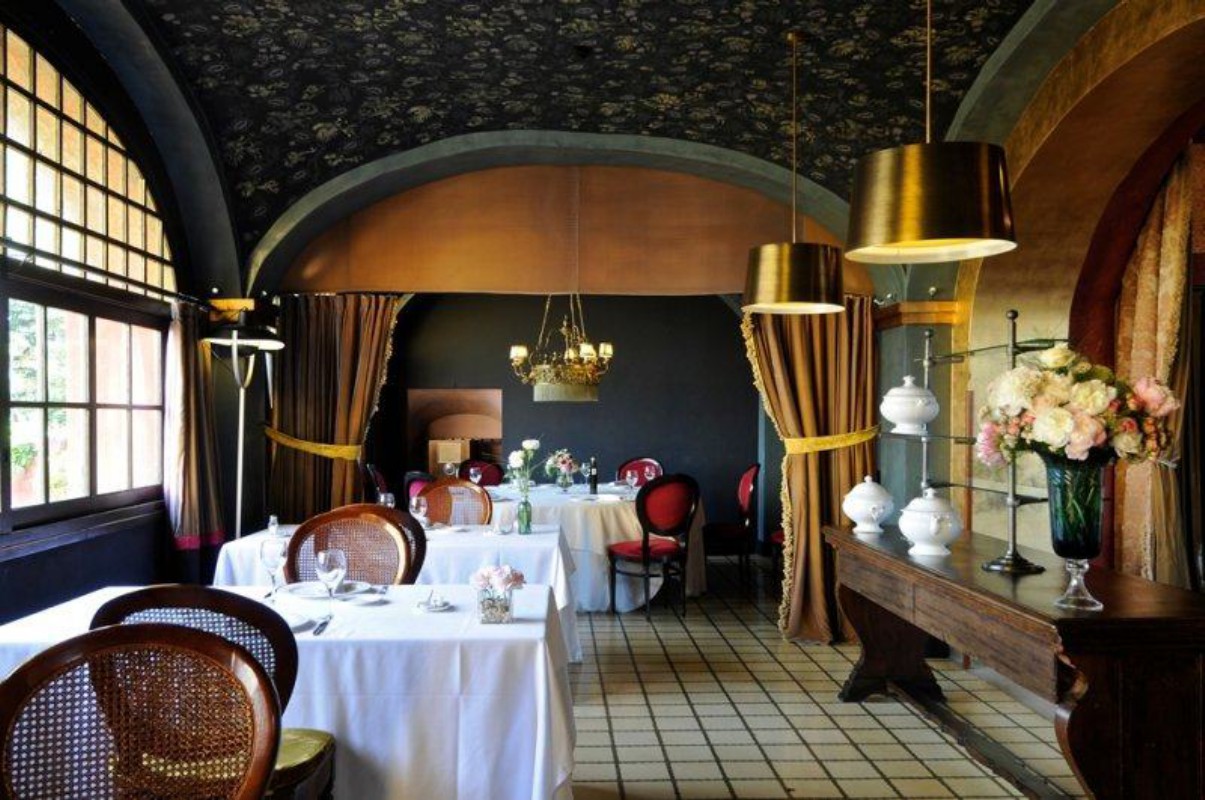
Colors set the first impression of a restaurant. Spanish restaurants often use warm tones such as orange, deep red, or beige; these hues stimulate the appetite and reflect the sunny local climate. Overly cool combinations may, as seen in Chile Spanish Restaurant Layout, make the space feel rigid. In terms of decorations, hand-painted tiles, wooden beams, and wine bottles hanging in a Spanish Style Restaurant are common elements. Small ornaments such as olive oil bottles and pottery also convey local character.
Furniture Selection and Placement
Furniture should balance aesthetics and functionality. In Spain, people enjoy long dining experiences, so the comfort of chairs and sofas in a Spanish Restaurant Table Arrangement is essential. For table materials, wood and stone match rustic or traditional styles, while metal and glass tops suit modern restaurants.
Integrating Cultural Elements
Spain is a country of diverse regional cultures, with each city or village having distinctive decorative styles. Andalusian style favors arches and wrought iron details, while Catalonia prefers modern and minimalist designs. Appropriately incorporating these local elements can make a restaurant more appealing to both residents and tourists.
Conclusion and Discussion
Spanish restaurant room layouts should strike a balance between functionality and aesthetics, considering guest flow and service convenience while ensuring guests feel comfortable and relaxed. Have you spotted any particularly creative restaurant layouts locally? Feel free to share your experiences and photos in the comments.
