Space Layout and Flow
When opening a restaurant in Spain, the first factor to consider is spatial layout. It is recommended to keep the entrance area spacious to allow easy access for customers and create a good first impression. The arrangement of tables and chairs in the dining area should ensure that each guest has a comfortable distance, while also allowing servers to move smoothly between tables. Being overly crowded will lower customer experience, while being too sparse may make the space feel empty. The serving route between the kitchen and dining area should be as straight as possible to reduce detours.
Lighting and Atmosphere
Lighting plays a crucial role in creating a restaurant’s atmosphere. Spanish restaurants generally favor soft, warm-toned lighting to make guests feel cozy. For example, at dinner you can combine candles with chandeliers, while at lunchtime make use of natural light to enhance brightness. Avoid overly harsh lighting as it can make customers feel fatigued. Windows and terrace areas should be integrated into the lighting design to keep the space bright and cheerful during the day.
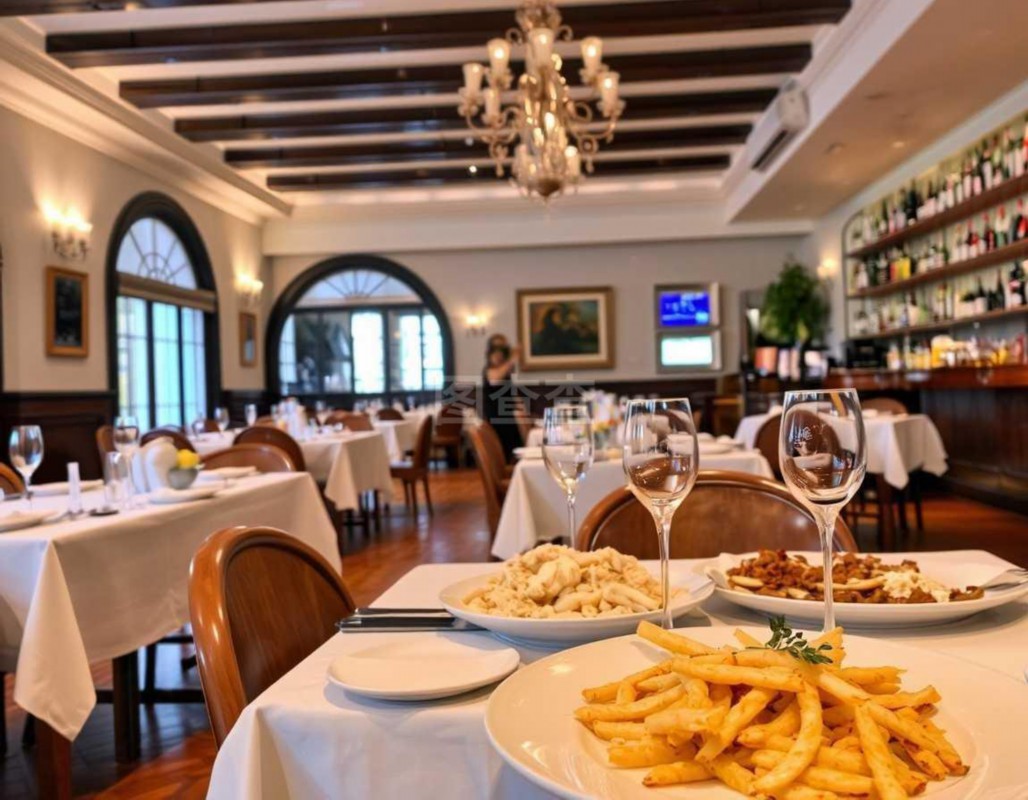
Tableware and Table Details
The quality of tableware directly affects the dining experience. It is advisable to choose durable and aesthetically pleasing ceramic plates, paired with stainless steel utensils, which suit Spanish tastes and are easy to clean. For tabletop arrangement, fabric napkins reflect greater care than disposable ones. You can try adding small vases or olive oil bottles, and the guide on Spanish restaurant table arrangement can help enhance the level of detail.
| Item | Recommendation |
|---|
| Plate | Ceramic or hand-painted |
| Cutlery | Stainless steel, comfortable grip |
| Tablecloth | Fabric, color coordinated with decor |
| Decoration | Fresh flowers or locally styled items |
Music and Scents
Music can significantly influence customer dwell time. Spanish restaurants may opt for soft guitar tunes or flamenco background music, keeping it within a comfortable volume range. In terms of scents, ensure the kitchen and dining area are relatively separated to avoid cooking fumes, while you can use light floral or bread aromas as atmospheric touches inspired by the Chilean Spanish restaurant layout.
Regulations and Safety Details
Don’t forget to comply with local business licensing and safety standards. For example, fire exits must remain clear, and the restaurant must be equipped with standard fire extinguishers and first aid kits. For terrace operations in a Spanish style restaurant, city regulation requirements must be met. From table corner protection to overall fire safety design, these details are all linked to the long-term stability of the restaurant.
The layout of a Spanish restaurant is not only about aesthetics, but also impacts customer satisfaction and repeat business. We hope this checklist provides practical references for planning or adjusting your restaurant.
