Architectural Vocabulary of Spanish Plazas
When it comes to Spanish cities, whether in Madrid, Barcelona, or the small town of Toledo, plazas are the focal point of daily life. These squares are not merely places for gathering; they also serve as cultural showcases connected by architectural language. Each city’s plaza possesses its own unique architectural vocabulary—from cobblestone pathways to arcades, sculptures to fountains—all telling stories of history and aesthetics.
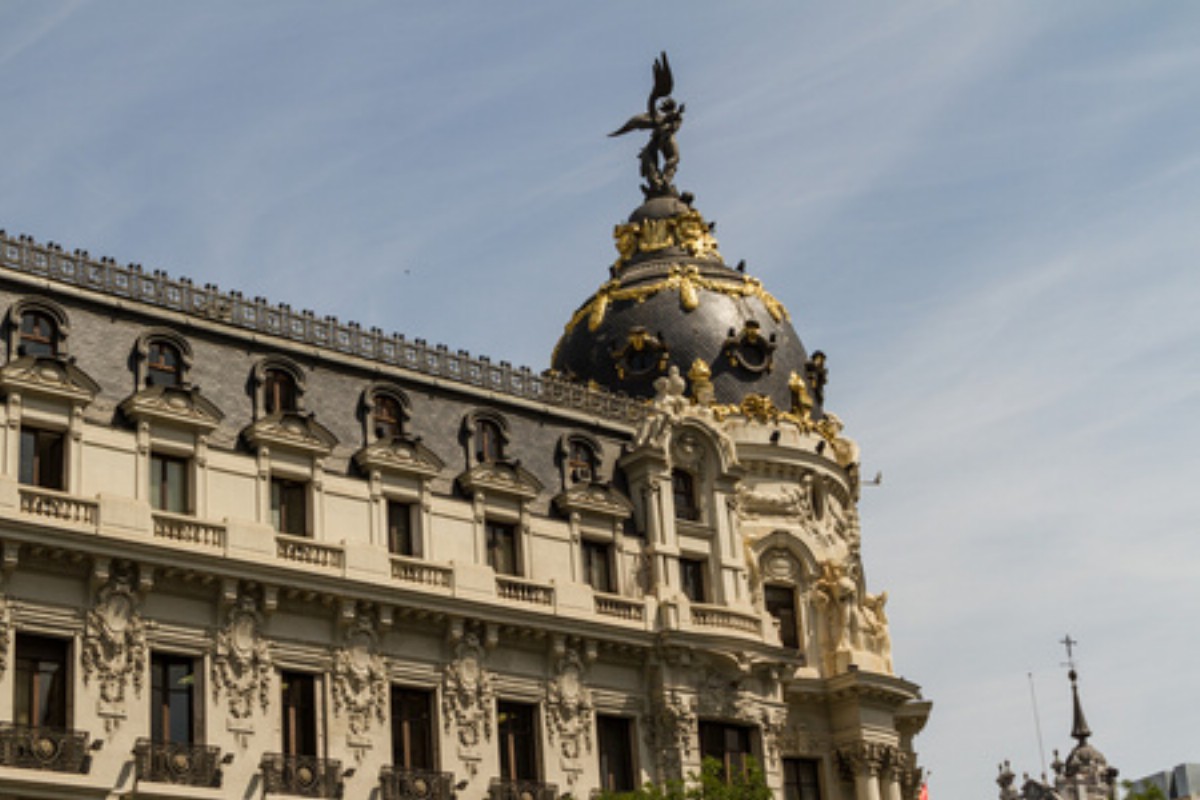
Historical Background and Style Diversity
The architectural vocabulary of Spanish plazas is often deeply influenced by the Middle Ages, the Renaissance, and the Baroque style, with various materials detailed in Spanish Plaza Building Materials. Walking under the arcades of the Main Plaza of Madrid, one can feel a sense of solemn charm; whereas in Valencia, plazas focus more on the interplay of color and light, with facades often decorated in warm-toned tiles that lift the spirit.
Common Architectural Elements
In plaza architecture, arched corridors, balconies, towers, and fountains are common features. Arcades not only offer shelter for pedestrians but also create spatial continuity; balconies provide spaces for observation and socialization. Towers often serve as visual focal points, making the city’s landmarks instantly recognizable.
| Architectural Element | Function and Significance |
|---|
| Arcade | Connects spaces, offers Spanish Plaza Architecture shelter |
| Balcony | Socializing and viewing |
| Tower | City landmark, navigational marker |
| Fountain | Enhances the environment, regulates microclimate |
Integration with Daily Life
The architectural layout of plazas is often designed around the activities of residents and visitors. For example, the central space is used for festive events, while under the side arcades are cafes and shops. This layout transforms the plaza into a stage for everyday life. Over the course of a coffee, you can observe people of different ages and backgrounds interacting within the same space, experiencing the diversity and inclusiveness of society.
Fusion of Modern and Traditional
In recent years, many cities have incorporated modern materials and design concepts when renovating old plazas, such as glass canopies and LED lighting. Architects typically retain the original proportions and decorative elements, creating a harmonious dialogue between old and new. This fusion not only preserves the city’s memory but also invigorates the plaza with fresh energy in contemporary life.
The architectural vocabulary of Spanish plazas is an important gateway to understanding Spanish Plazas and urban culture. Each stroll through them feels like leafing through a rich and vibrant history book of everyday life.
