Exploring the Italian Architectural Style of Spain Square
In many Spanish cities, Spain Square is more than just a landmark; it is a meeting point between urban life and history. Today, we will talk about the distinctive Italian architectural style represented in such squares, as captured in Spain Square building materials. Especially in Seville and Madrid, the influence is unmistakable. Walking through the arcades and touching the stonework, you can feel the romantic atmosphere from across the Mediterranean.
Historical Origins
Spain and Italy have shared profound cultural exchanges throughout history. From the artistic trends of the Renaissance to the architectural concepts of the Baroque period, these influences came to Spain through trade and marriage, as reflected in Spain Square architecture. Many arches, sculptures, and fountains in Spain Square showcase this blend of international culture.
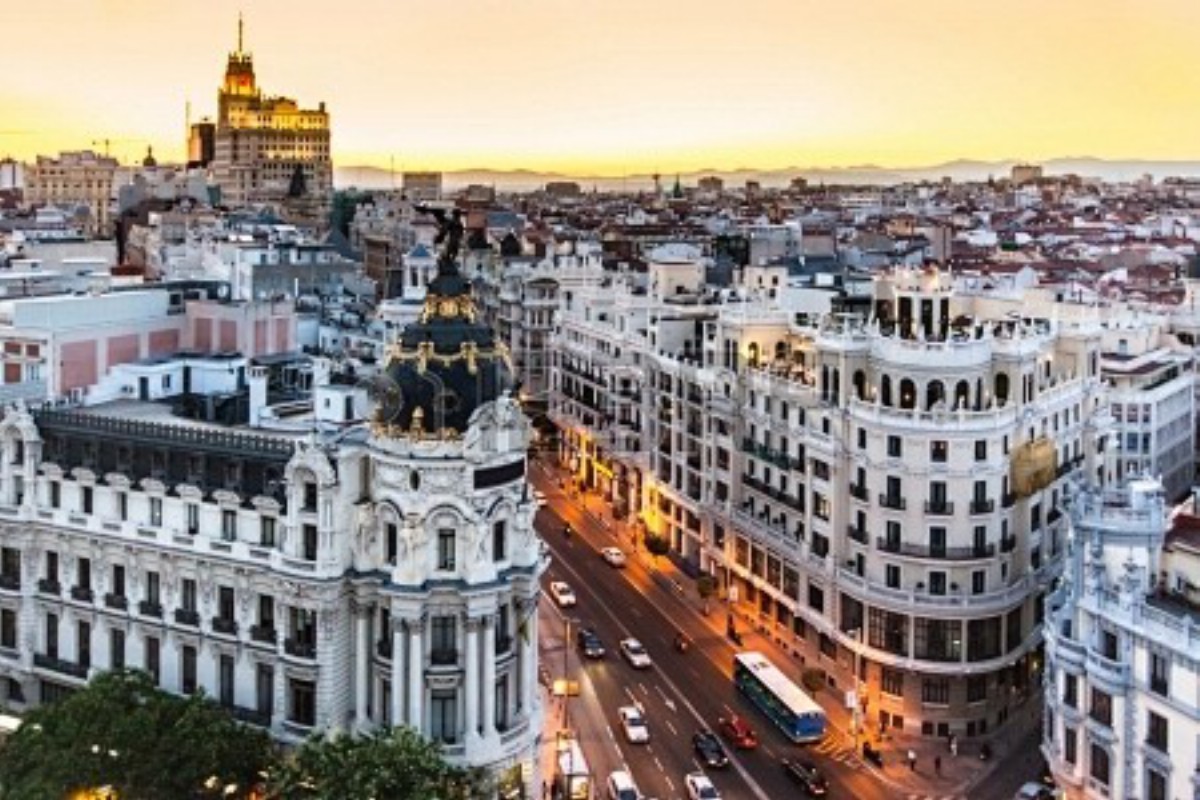
Design Highlights
Italian architecture emphasizes symmetry and axial alignment, which is clearly visible in the design of Spain Square. Looking along the axis from the central fountain, the strictly symmetrical arrangement of buildings on either side, with colonnades and round arches on the facades, creates a rhythmic visual experience.
| Element | Italian Style Expression |
|---|
| Arcade | Fusion of round arches and Corinthian columns |
| Central Fountain | A plaza centerpiece combining sculpture and water features |
| Exterior Finishing | Mix of painted tiles and stonework |
Visiting Tips
If you plan to visit, it is best to go in the early morning or late afternoon for softer light and better photography. This way, Spain Square will also be less crowded than at midday. Additionally, there are usually cafés nearby where you can enjoy the atmosphere at a leisurely pace. Do not just snap a quick photo and leave—taking your time will allow you to truly appreciate its charm.
Summary and Discussion
While traveling in Spain, pay attention to buildings with this Italian style, as they are not only creations of architects but also bearers of historical stories. Have you encountered similar squares in other Spanish cities? Feel free to share your impressions and photos, and join in exploring this cultural journey that bridges the Apennines and the Iberian Peninsula.
